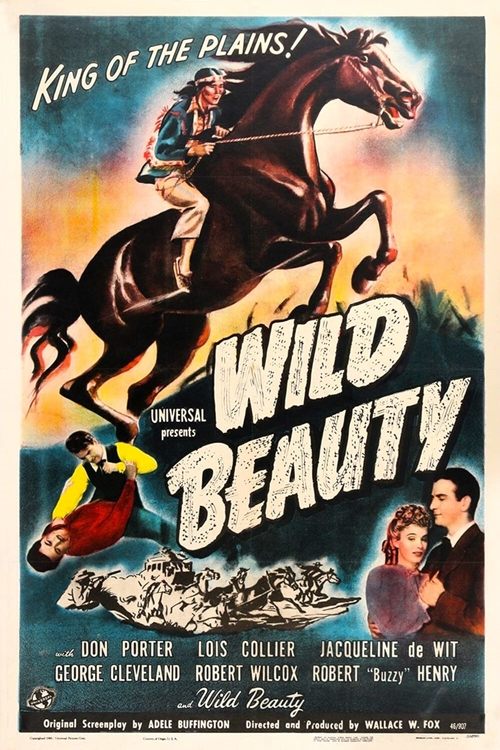
Wild Beauty
1946
No user ratings available yet
Diversity score: 2.5 out of 10
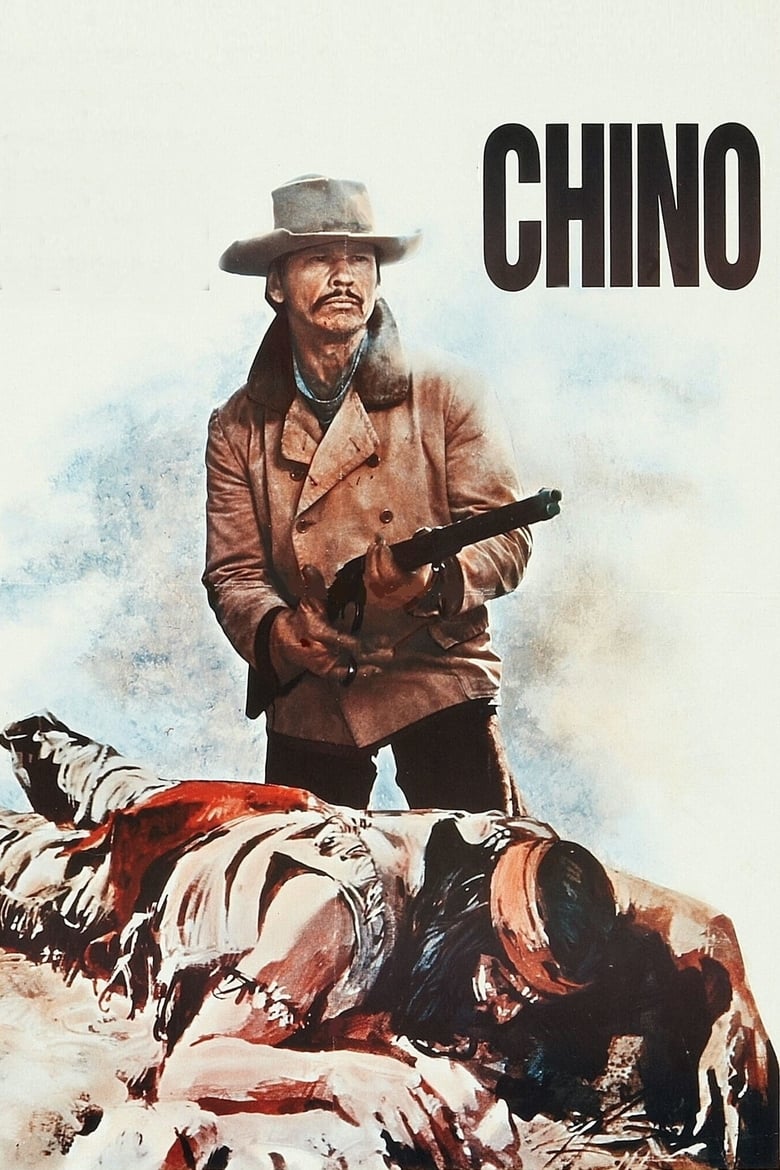
1973
PGDirector
John Sturges, Duilio Coletti
Runtime
98 minutes
Average Rating
No ratings yetSynopsis
Chino Valdez is a loner horse breeder living in the old west. Partly a loner by choice, and partly because, being a 'half-breed', he finds himself unwelcome almost everywhere he goes. One day, a young runaway named Jimmy shows up at his door looking for work and a roof over his head. Reluctantly, Chino agrees to take him in and teach him the art of raising, breaking and breeding horses, until the pair finally begin to accept each other.
Overall Score
Limited
Category Breakdown
LGBTQ+ Representation
The film lacks any presence of non-cisnormative identities. It operates within a strictly traditional social framework without queer themes or character arcs.
Gender Representation
The narrative focuses on male-centric dynamics and patriarchal hierarchies. It reinforces standard masculine leadership models without providing female characters with significant agency.
Racial & Ethnic Diversity
Chino Valdez is a 'half-breed' outsider, providing a lens into social marginalization. However, the broader cast remains predominantly white, reflecting the era's cinematic norms.
Religious & Cultural Diversity
The story emphasizes traditional Western values like land ownership and rural working-class morality. It reinforces established social and familial structures rather than critiquing them.
Disability Representation
There is no evidence of characters with visible or invisible disabilities. The film lacks narrative engagement with neurodivergence or chronic illness.
Strengths
Areas for Improvement
AI Analysis
The film functions as a traditional Western that reinforces established social hierarchies. While the protagonist's mixed-race heritage introduces themes of social exclusion, the narrative does not use this to deconstruct systemic power dynamics. The story remains centered on conventional masculinity and traditional frontier values. It offers a standard depiction of rural life without providing significant intersectional complexity or progressive subversion. Ultimately, the film is a product of its era, prioritizing genre tropes and traditionalist storytelling over any attempt to challenge the status quo.
1946
1929
1969
1956
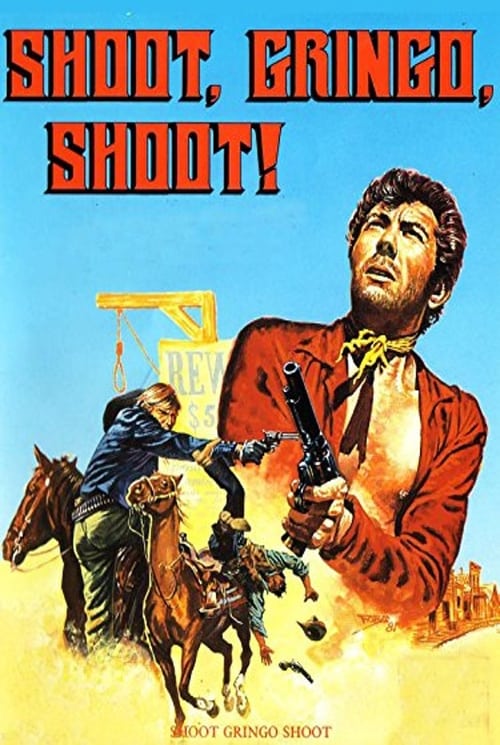
1968
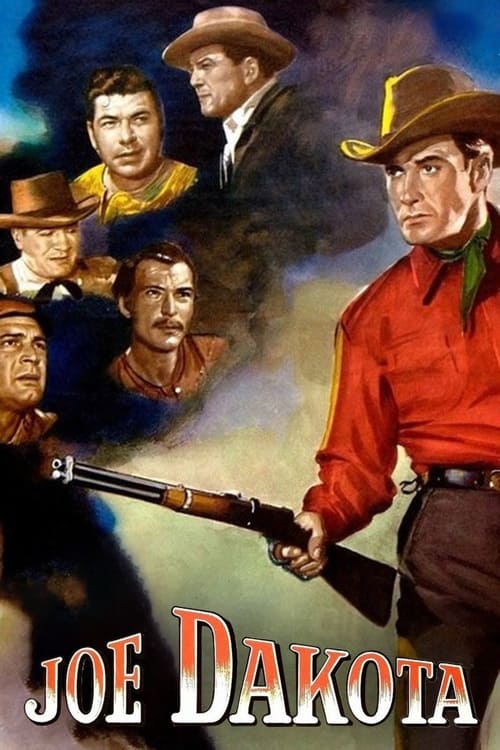
1957
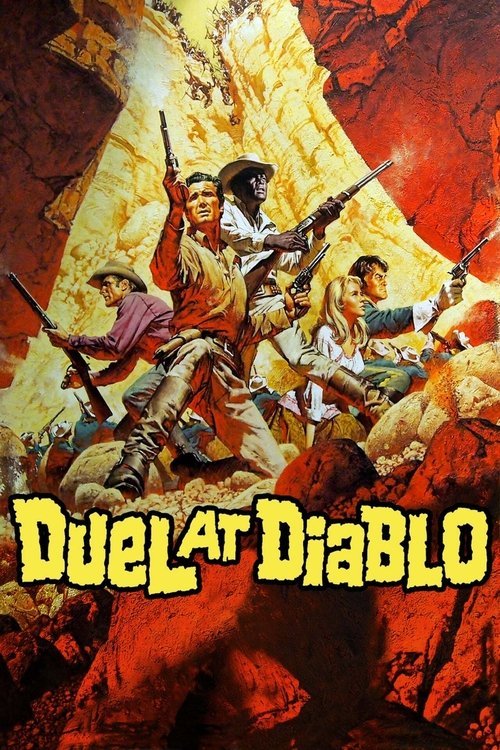
1966
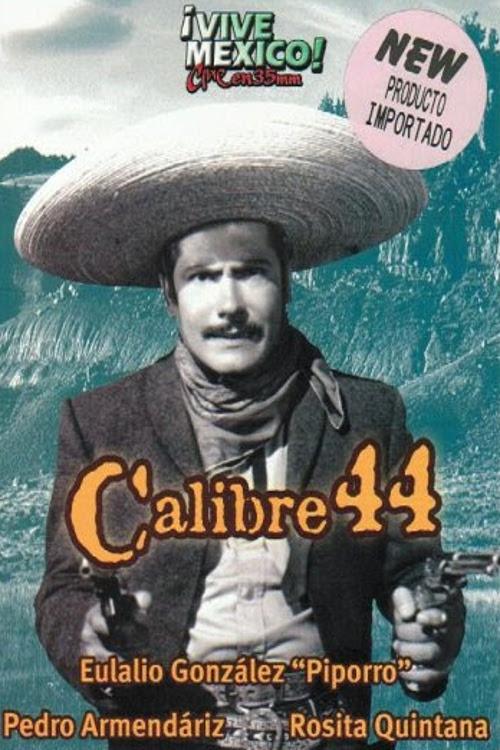
1960
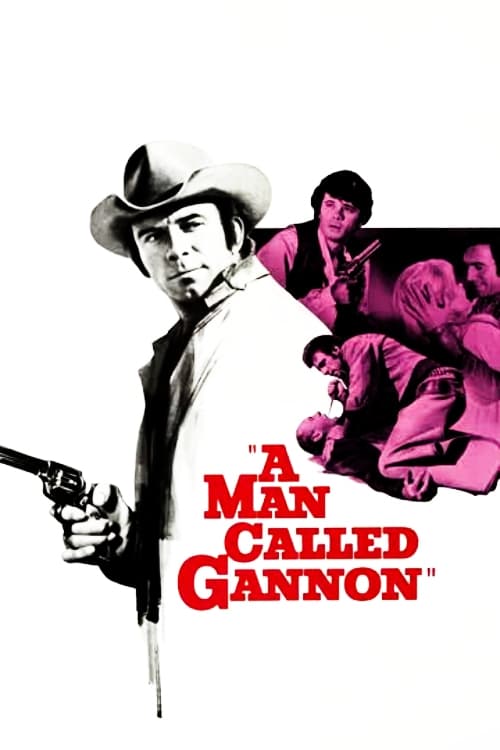
1968
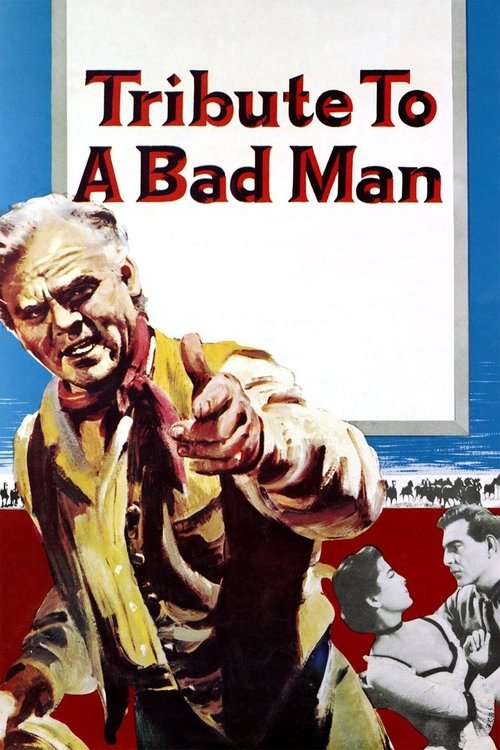
1956
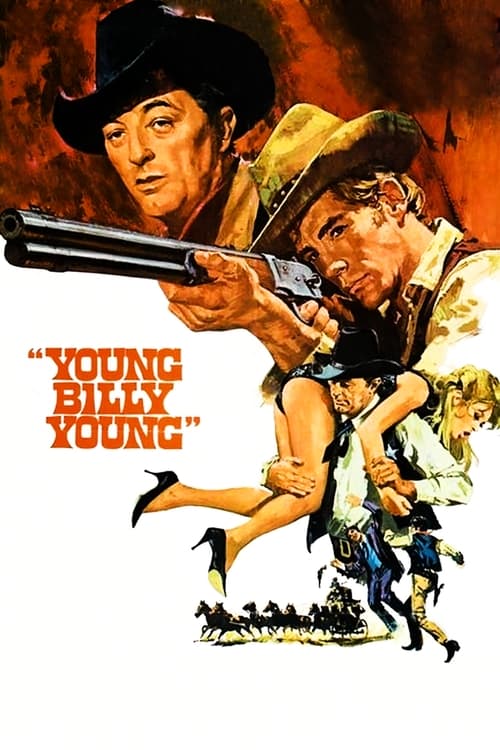
1969
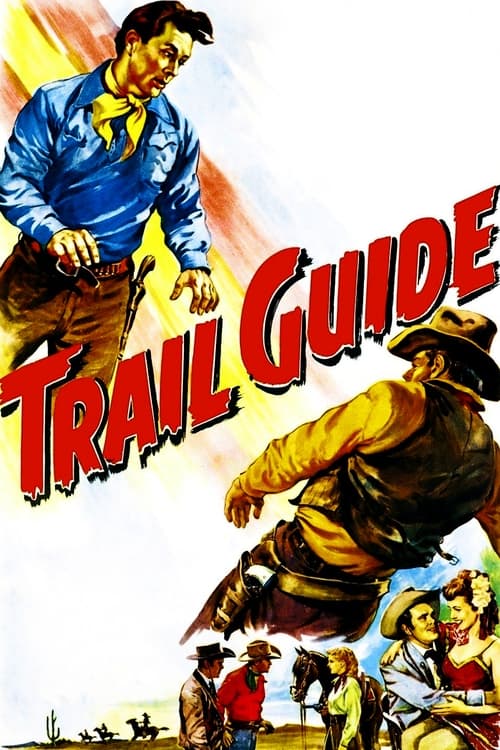
1952
No reviews yet. Be the first to share your thoughts on this movie!
Use the rating form above to leave a star rating and optional review.