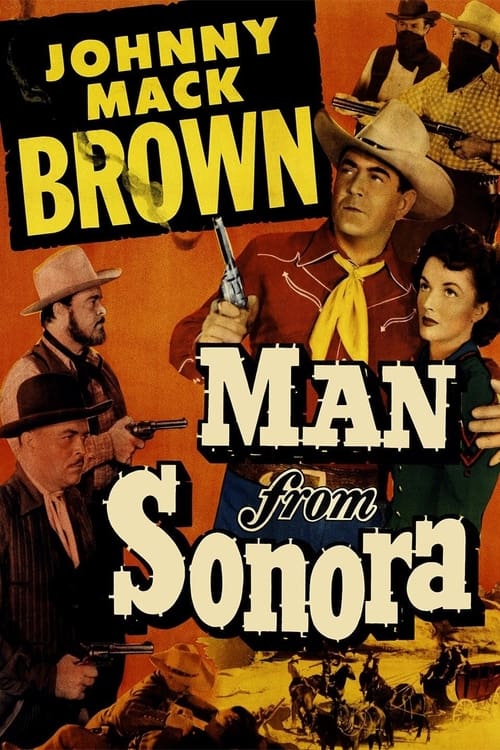
Man from Sonora
1951
No user ratings available yet
Representation score: 0.6 out of 10
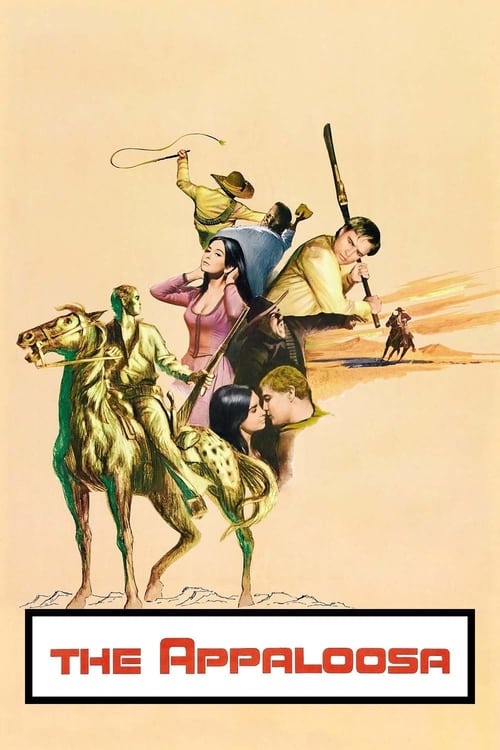
Representation Score
Limited
1966
NRDirector
Sidney J. Furie
Runtime
99 minutes
Average Rating
No ratings yetNew Showbiz Analysis
The Appaloosa serves as a transitional Western that challenges genre conventions through its complex moral landscape. While it remains limited by the era's gendered and straight-centered constraints, it makes significant strides in racial and cultural representation. By using race-blind casting and centering indigenous sovereignty, the film moves away from simplistic hero-versus-villain clichés. It replaces the standard 'civilization vs. savagery' narrative with a more nuanced exploration of systemic displacement and retribution. Ultimately, the film's strength lies in its ability to deconstruct the Western mythos, presenting a post-colonial perspective on justice and authority.
Category Breakdown
The film focuses entirely on traditional masculine archetypes and does not include any non-cisgender identities or narratives addressing heterosexuality.
The narrative is primarily driven by male characters, while female characters remain on the periphery, reinforcing the conventional gender hierarchies of the 1960s Western.
Casting Sidney Poitier as an Apache leader disrupts typical ethnographic portrayals. The film gives indigenous characters significant roles and a sophisticated moral framework.
The story critiques Western institutional authority by exploring the tension between colonial law and indigenous justice. It challenges the perceived superiority of Western legal structures.
No visible or invisible disabilities are central to the character arcs. Disability is not used as a meaningful narrative element.
Present on Screen
Limited or Absent
Official Synopsis
A man tries to recover a horse stolen from him by a Mexican bandit.
1951
1960
1958
1968
1962
1966
1963
1969
No reviews yet. Be the first to share your thoughts on this movie!
Use the rating form above to leave a star rating and optional review.