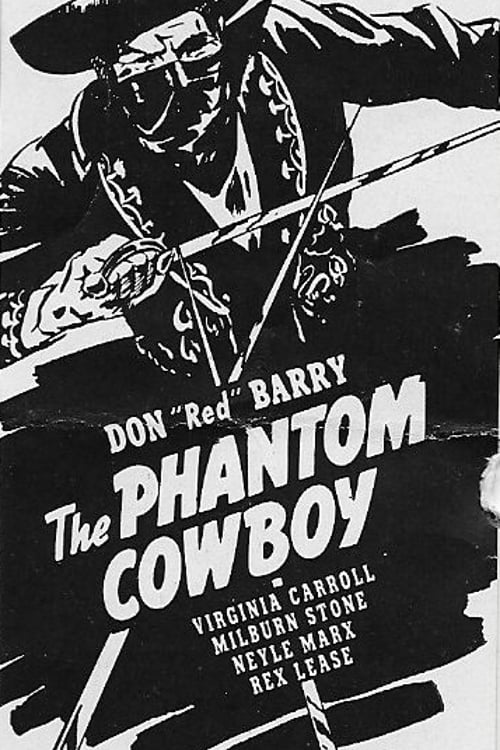
The Phantom Cowboy
1941
No user ratings available yet
Diversity score: 2.5 out of 10

1955
Director
Edgar G. Ulmer
Runtime
82 minutes
Average Rating
No ratings yetSynopsis
Santiago, a jolly modern bandito, has just lost his partner when he happens on the isolated farm of young Manuel and Maria Lopez...
Overall Score
Limited
Category Breakdown
LGBTQ+ Representation
The film lacks any evidence of LGBTQ+ characters or queer themes. The narrative focus remains strictly on the interactions between a bandito and a farm family.
Gender Representation
Maria Lopez is introduced within a conventional domestic framework on an isolated farm. The roles appear to align with standard mid-century Western archetypes without clear subversion of gender hierarchies.
Racial & Ethnic Diversity
The story centers on Hispanic characters, including Santiago and the Lopez family. This provides ethnic representation that deviates from the strictly Eurocentric narratives common to 1955 Westerns.
Religious & Cultural Diversity
The film leans toward traditional genre storytelling rather than systemic critique. While Santiago is described as 'jolly,' there is no evidence of critiques against religious or capitalist structures.
Disability Representation
There is no information available regarding the depiction of physical or neurodivergent disabilities in this work.
Strengths
Areas for Improvement
AI Analysis
The Naked Dawn offers a departure from the purely Anglo-Saxon focus typical of the 1955 Western genre by centering its cast on Hispanic characters. This provides a level of ethnic visibility that was uncommon for the era. However, the film remains tethered to mid-century tropes. The character dynamics and domestic settings suggest a reliance on established genre conventions rather than an exploration of complex social hierarchies or intersectional identities. Ultimately, while the casting provides moderate ethnic inclusion, the narrative lacks the depth required to subvert the traditional moral codes and social structures of the Western genre.
1941
1956
1960
1969
1969
1932
1956
1960
1950
1955
1968
1955
No reviews yet. Be the first to share your thoughts on this movie!
Use the rating form above to leave a star rating and optional review.