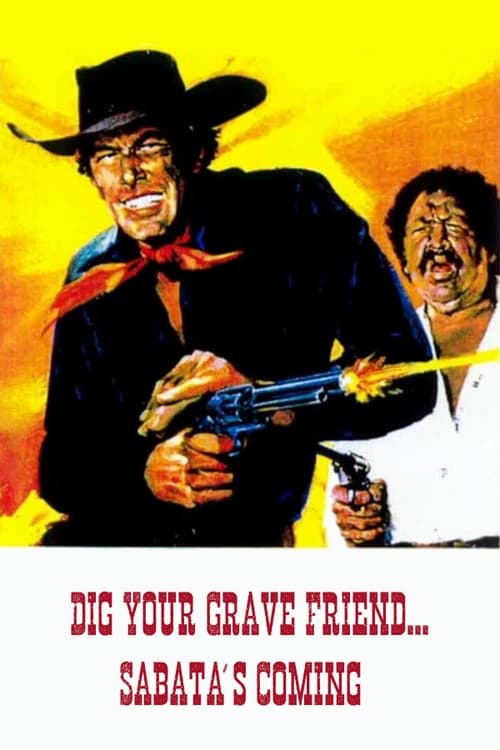
Dig Your Grave Friend... Sabata's Coming
1971
No user ratings available yet
Representation score: 3.3 out of 10
Representation Score
Limited
1966
Director
Sergio Corbucci
Runtime
87 minutes
Average Rating
No ratings yetNew Showbiz Analysis
Sergio Corbucci’s film serves as a transitional piece in the Spaghetti Western genre. It moves away from the idealized American Western hero by centering Mexican and Indigenous characters. This shift provides a degree of meaningful representation within the genre's clichés. However, the film remains limited by the era's social norms. The narrative is heavily male-driven, focusing on cycles of violence and vengeance. It lacks complexity in reflecting multiple aspects of diversity and provides no visible LGBTQ+ representation. Ultimately, while the film disrupts the 'white hero' archetype, it stays within the bounds of traditional Western individualism and lacks a broader critique of systemic institutions.
Category Breakdown
The film follows the typical gender and orientation norms of its time, with no visible LGBTQ+ characters or narratives that question the assumption that everyone is straight or cisgender.
The story focuses on male protagonists, emphasizing a cycle of vengeance between bandits and bounty hunters. It does not challenge traditional gender roles.
The film shifts the focus away from Anglo-centric heroes by centering Mexican and Native American characters, who drive the plot forward.
The story explores subjective morality and extrajudicial vengeance against corrupt systems. However, it remains focused on individual struggles rather than critiquing Western institutions.
There is no evident portrayal of physical or neurodivergent disabilities in this work.
Present on Screen
Limited or Absent
Official Synopsis
A Mexican bandit teams up with a band of renegade Native Americans to avenge his older brothers when they are killed by a prankster, gold-obsessed bounty hunter.
1971
1967
1971
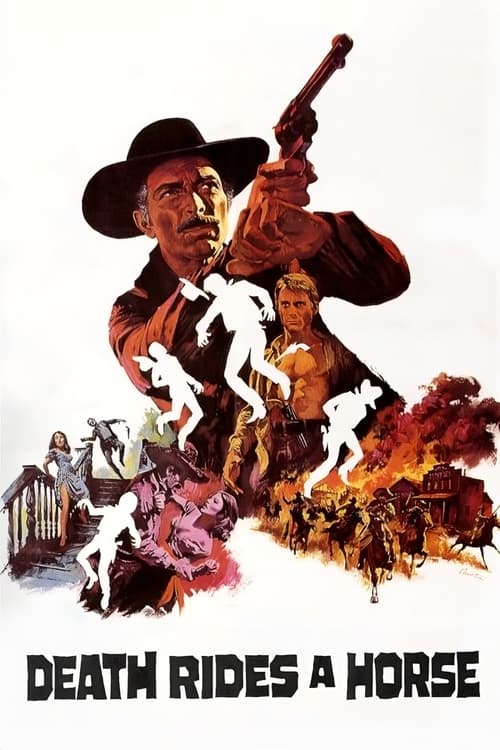
1967
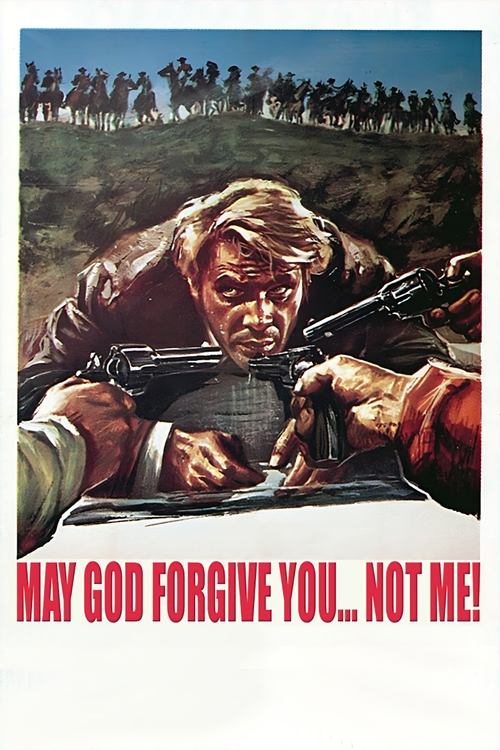
1968
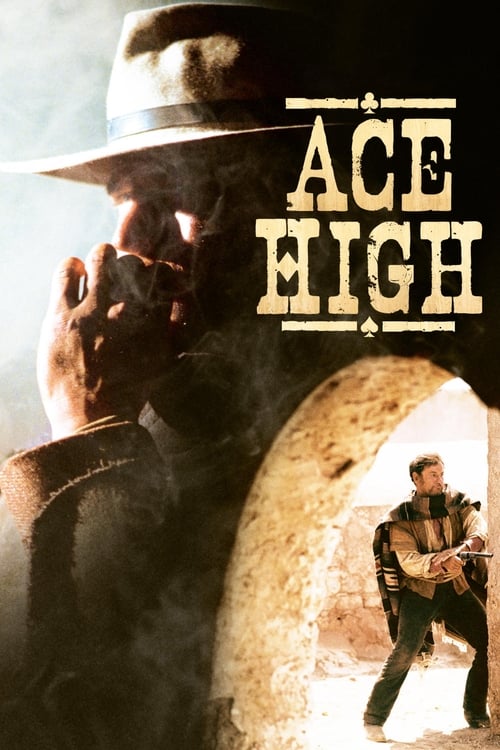
1968
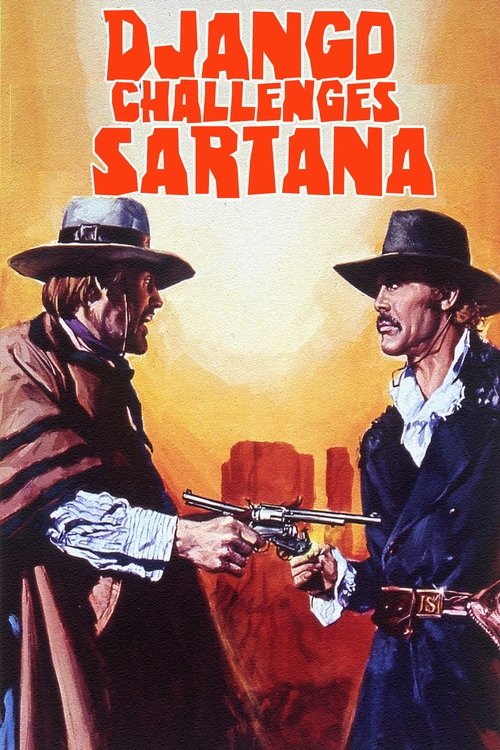
1970
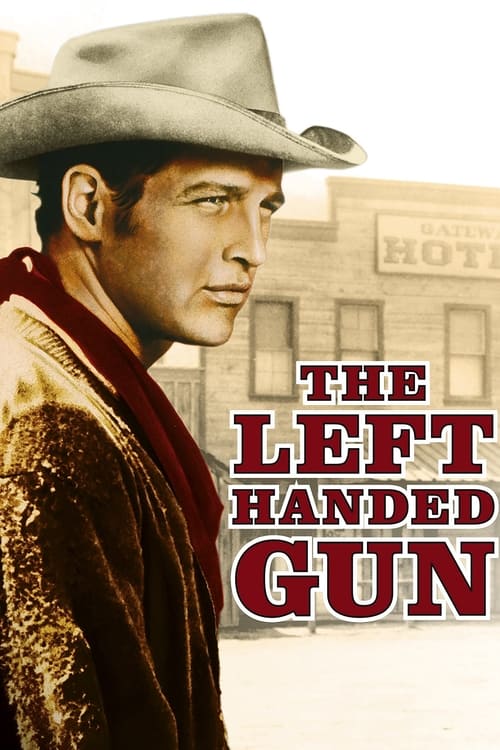
1958
No reviews yet. Be the first to share your thoughts on this movie!
Use the rating form above to leave a star rating and optional review.