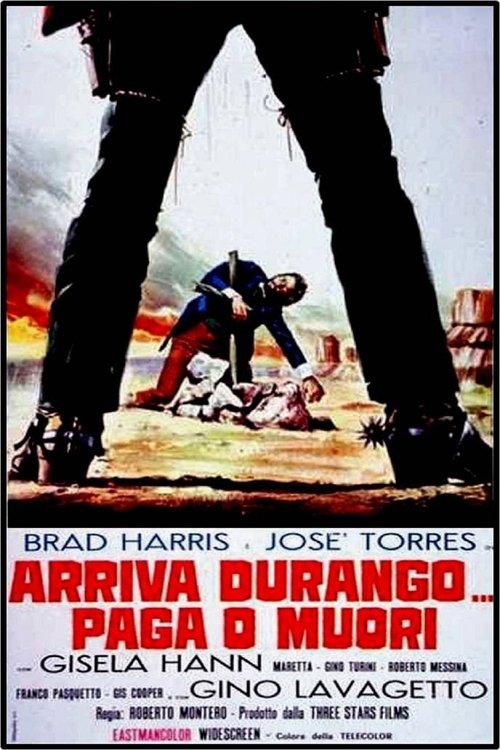
Durango Is Coming, Pay or Die
1971
No user ratings available yet
Diversity score: 3.1 out of 10
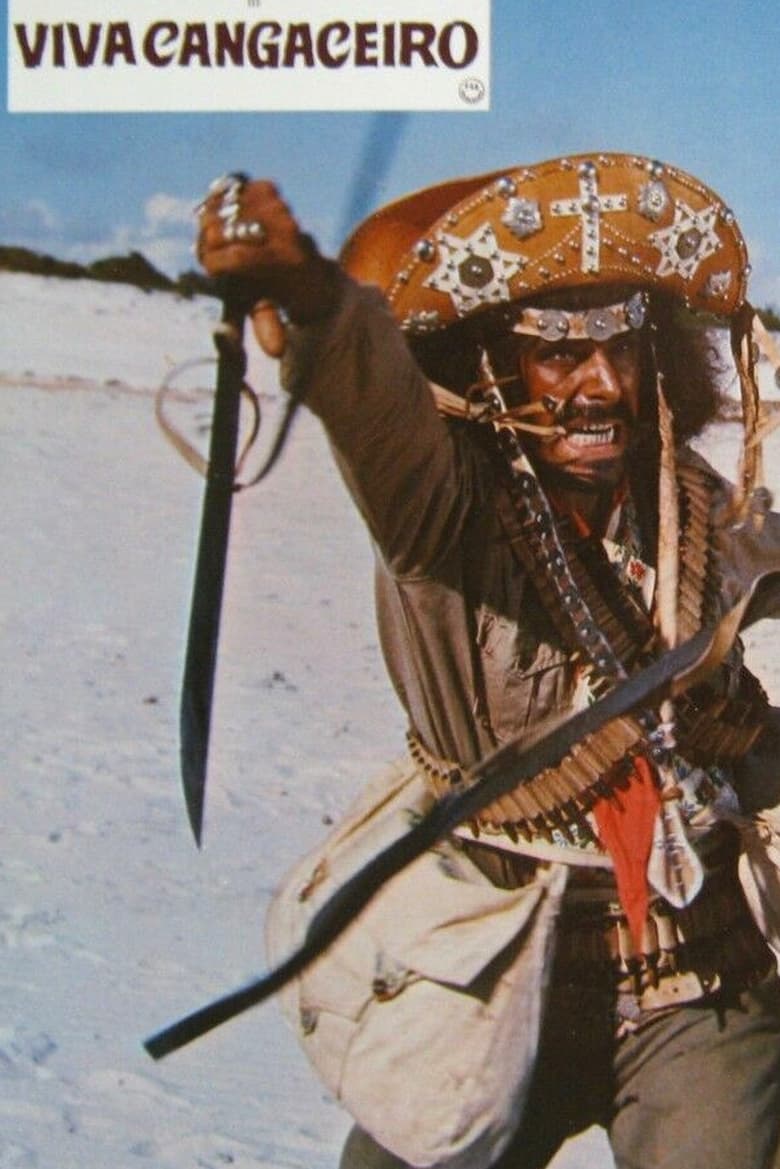
1969
Director
Giovanni Fago
Runtime
102 minutes
Average Rating
No ratings yetSynopsis
Brazil, the 1920s. The sadistic colonel Minas massacres the hometown of a famous cangaceiro (a kind of revolutionary bandit). The only survivor is a young farmer called Espedito; he is nursed back to health by a hermit who thinks he has been sent by God and therefore baptizes him the Redeemer. Espedito/The Redeemer forms his own gang of cangaceiros but doesn’t really understand what he’s doing until he befriends the proverbial European intellectual, a Dutch Oil prospector, who introduces him to important people. Espedito is hired by the Dutchman and a corrupt local governor, but then the Dutchman changes sides …
Overall Score
Fair
Category Breakdown
LGBTQ+ Representation
The film adheres to traditional 1960s archetypes. There is no evidence of LGBTQ+ characters or narratives addressing non-cisnormative identities.
Gender Representation
The plot centers on masculine-coded themes of revenge and banditry. Male figures drive the narrative, reinforcing traditional hierarchies of leadership.
Racial & Ethnic Diversity
The film disrupts Anglo-centric Western tropes by centering the Brazilian cangaço movement. It features local revolutionary figures and intercultural colonial interactions.
Religious & Cultural Diversity
The story challenges institutional sanctity through a revolutionary bandit protagonist. It utilizes traditional spiritual frameworks, such as a hermit's baptismal ritual.
Disability Representation
There is no discernible evidence regarding the portrayal of physical or neurodivergent disabilities within the provided context.
Strengths
Areas for Improvement
AI Analysis
Viva Cangaceiro distinguishes itself from the American Western by centering Brazilian social conflict and the historical cangaço movement. It replaces the typical white frontier hero with a local revolutionary figure, providing a necessary cultural disruption to the genre. However, the film remains limited by the social standards of 1969. The narrative is heavily driven by masculine-coded trajectories of violence and leadership, offering little room for diverse gender or LGBTQ+ perspectives. Ultimately, the film succeeds as a regional myth-making piece that critiques corrupt institutional power, even while staying within traditional character archetypes.
1971
1966
1969
1967
1968
1971
1967
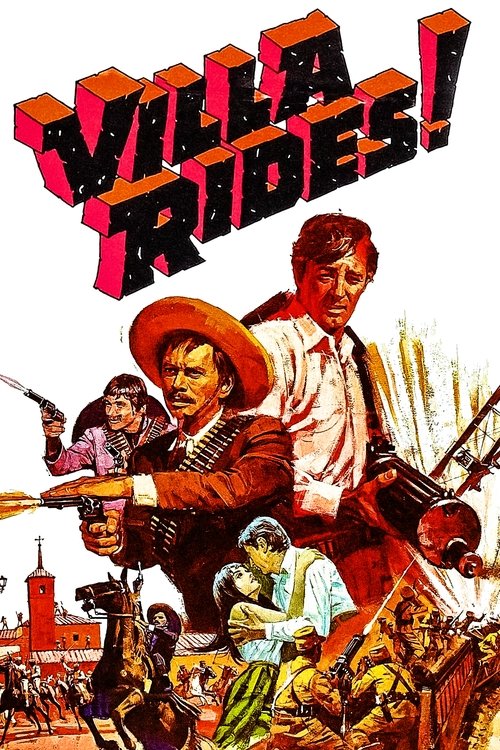
1968

1971
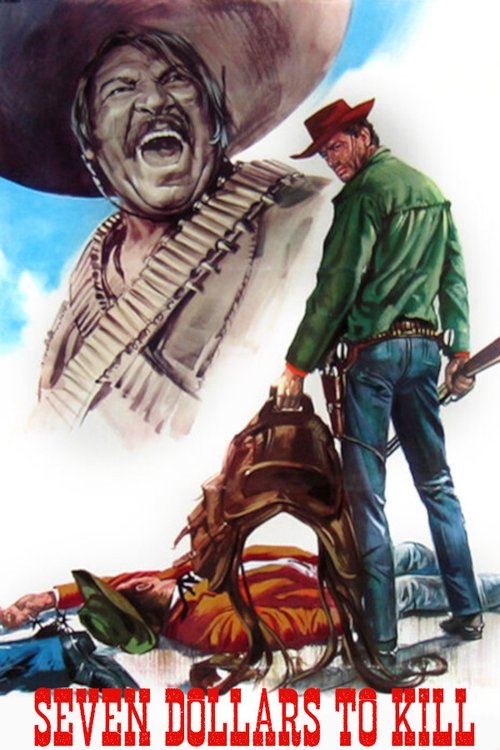
1966
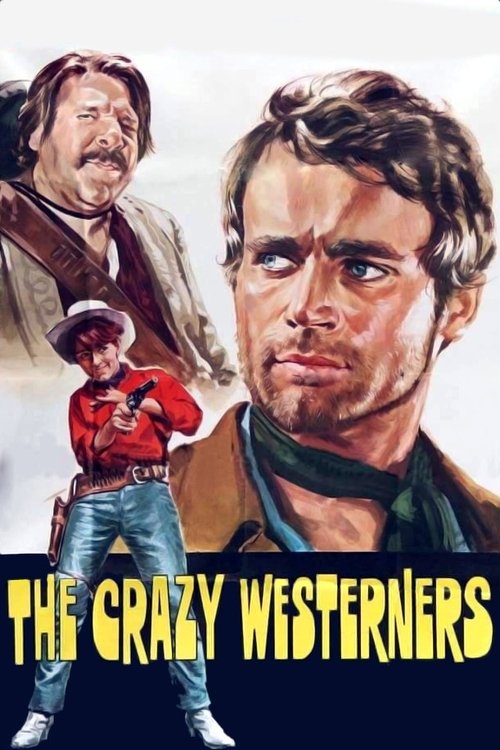
1967
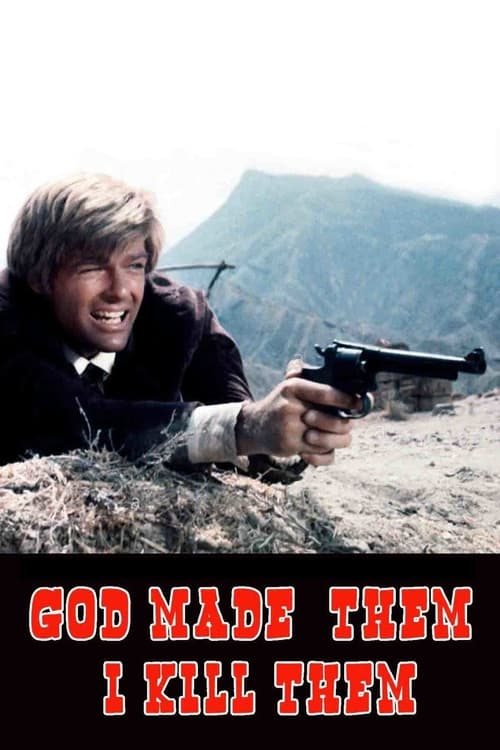
1968
No reviews yet. Be the first to share your thoughts on this movie!
Use the rating form above to leave a star rating and optional review.