Night of the Serpent
1969
No user ratings available yet
Diversity score: 4.9 out of 10
1969
RDirector
Giulio Petroni
Runtime
136 minutes
Average Rating
No ratings yetSynopsis
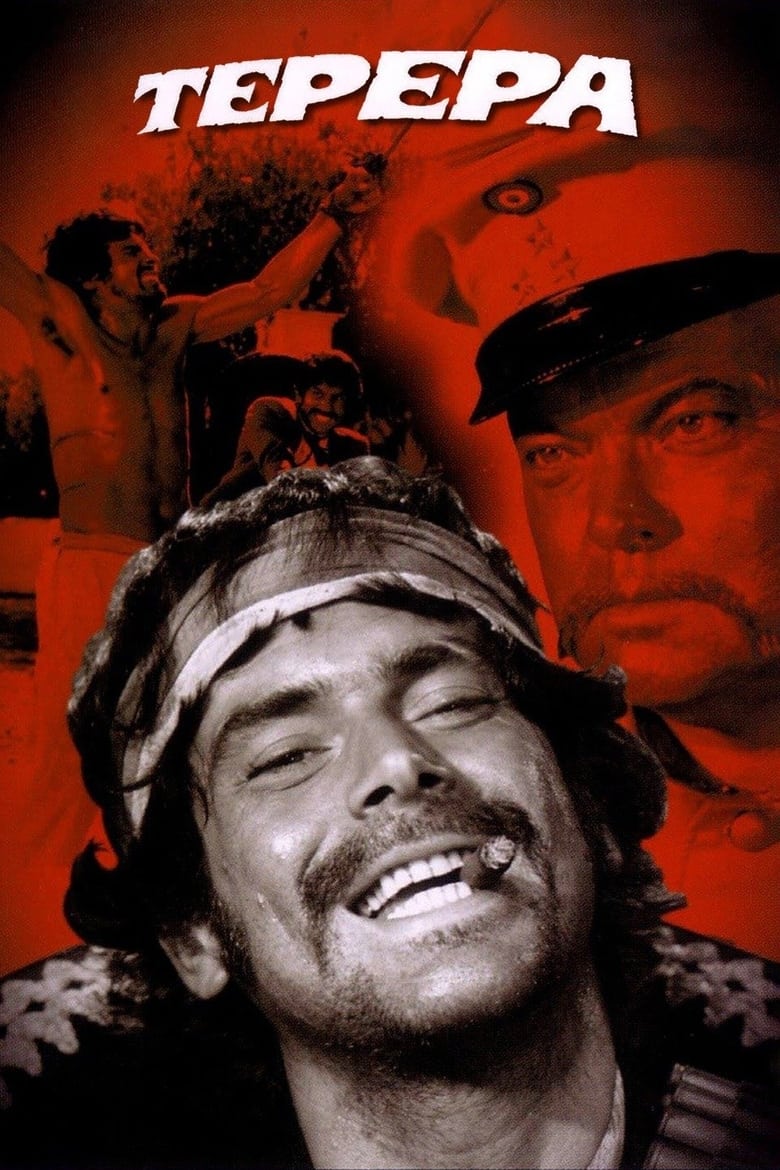
The Mexican guerilla leader Tepepa and his gang fight against the chief of police, Cascorro.
Overall Score
Fair
Category Breakdown
LGBTQ+ Representation
The film focuses entirely on revolutionary masculine struggle and geopolitical conflict. There is no presence of LGBTQ+ characters or explorations of non-heteronormative identities.
Gender Representation
The narrative operates within a traditional patriarchal framework where male combatants drive the plot. Female characters occupy secondary roles and lack agency in the central political maneuvers.
Racial & Ethnic Diversity
The film excels by centering a predominantly Mexican cast and local peasantry. This disrupts the Anglo-centric gaze common in Westerns by focusing on non-Western protagonists.
Religious & Cultural Diversity
The story presents a sophisticated critique of colonial institutions and the landed aristocracy. It frames the struggle as a clash between exploited masses and corrupt, feudalist power structures.
Disability Representation
There are no prominent depictions of visible or invisible disabilities serving as central character arcs or significant plot devices.
Strengths
Areas for Improvement
AI Analysis
Tepepa stands out as a socio-political deconstruction of the Western genre. It replaces the typical Hollywood heroism with a cynical, post-colonial perspective that centers Mexican agency against European imperialist forces. While the film is highly effective at challenging imperialist and aristocratic hierarchies, it remains tethered to the social constraints of its era. The narrative is heavily dominated by masculine combat, leaving little room for diverse gender expressions or queer identities. Ultimately, the film's strength lies in its ethnic authenticity and its subversion of the traditional Western gaze, even as it maintains conventional gender hierarchies.
1969

1968

1967
1972

1967

1967

1966
1968

1967

1971
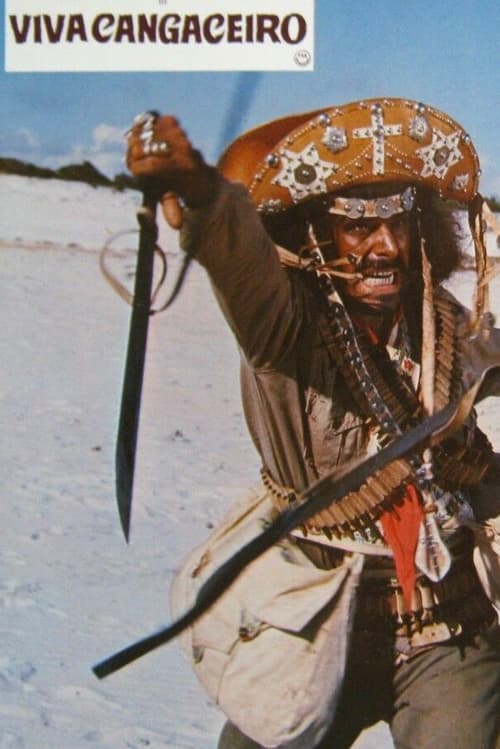
1969

1969
No reviews yet. Be the first to share your thoughts on this movie!
Use the rating form above to leave a star rating and optional review.