
Bad Man's River
1971
No user ratings available yet
Diversity score: 3.1 out of 10
1972
PGDirector
Eugenio Martín
Runtime
92 minutes
Average Rating
No ratings yetSynopsis
In 1916, during the Mexican Revolution, General Pancho Villa manages to escape from the clutches of General Goyo, his greatest enemy, only to face an even greater problem when he meets McDermott, a mysterious adventurer who promises to get him weapons and ammunition for his troops.
Overall Score
Fair
Category Breakdown
LGBTQ+ Representation
The film focuses strictly on masculine spheres of military leadership and combat. There is no presence of non-cisnormative identities or narratives that critique heteronormativity.
Gender Representation
Agency is concentrated almost exclusively in male figures like Pancho Villa. Women occupy secondary roles on the periphery of the central military conflict.
Racial & Ethnic Diversity
The film centers a predominantly Latino cast, disrupting Anglo-centric Western tropes. Tomas Milian provides a high-agency portrayal of a historical figure of color.
Religious & Cultural Diversity
The narrative prioritizes the socio-political struggle of the peasantry over religious doctrine. It frames revolutionary necessity as a critique of established institutional power.
Disability Representation
There is no significant evidence regarding the portrayal of physical or neurodivergent disabilities within the film.
Strengths
Areas for Improvement
AI Analysis
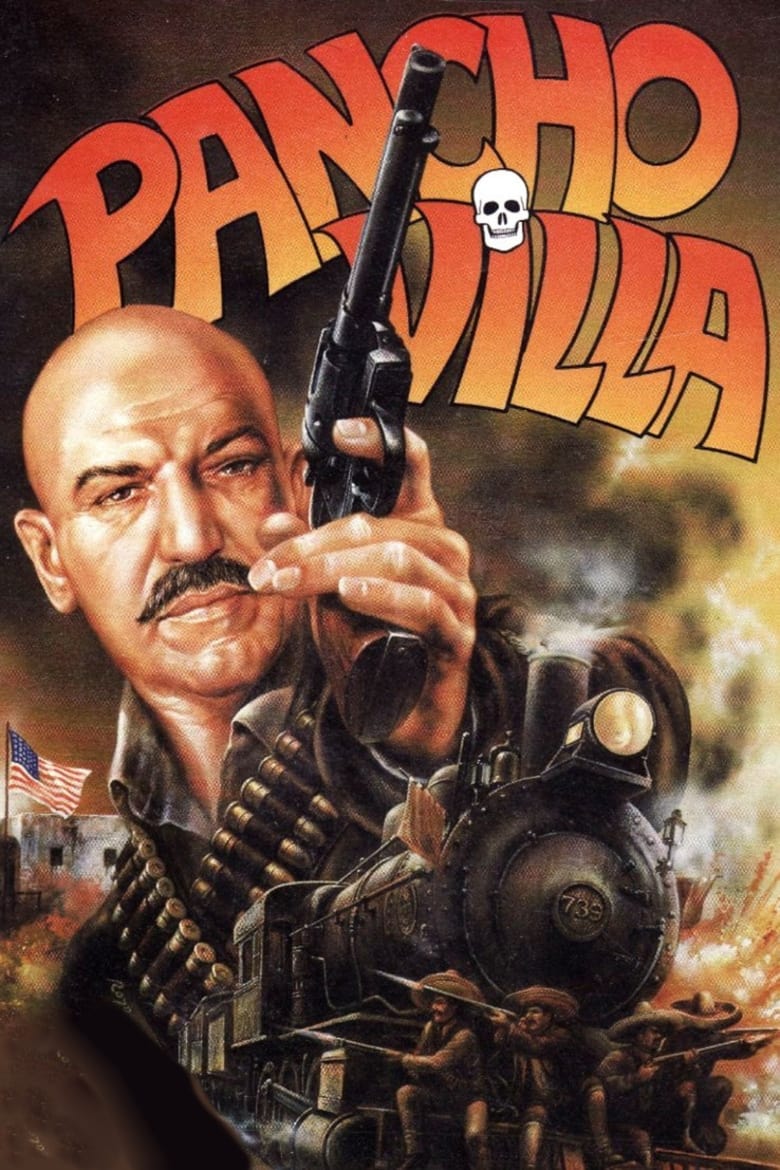
Pancho Villa (1972) serves as a meaningful subversion of the traditional Western genre. By centering Mexican agency and the struggle for sovereignty, it moves away from the typical Anglo-centric perspectives found in American cinema. While the film excels in ethnic authenticity and cultural depth, it remains limited by the era's gendered norms. The narrative architecture is heavily weighted toward male military leadership, leaving little room for diverse gender expressions or non-cisnormative identities. Ultimately, the film is a powerful portrayal of post-colonial resistance. It successfully frames the Mexican Revolution as a legitimate challenge to oppressive institutional hierarchies through a localized, culturally grounded lens.
1971
1968

1967
1969
1971
1955
1969

1959
1971
1966
1966
1964
No reviews yet. Be the first to share your thoughts on this movie!
Use the rating form above to leave a star rating and optional review.