Adiós Gringo
1965
No user ratings available yet
Representation score: 1.3 out of 10
Representation Score
Limited
1967
RDirector
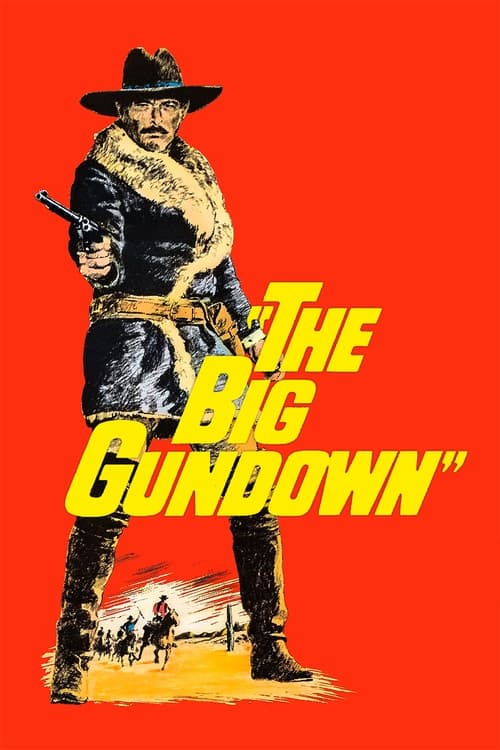
Sergio Sollima
Runtime
111 minutes
Average Rating
No ratings yetNew Showbiz Analysis
The Big Gundown stands out for its political intentionality, using the Spaghetti Western framework to challenge colonial and institutional power. By centering the interaction between a white bounty hunter and a Mexican peasant, the film provides a nuanced critique of systemic oppression. However, the film remains deeply rooted in traditional masculine hierarchies. The lack of women's ability to drive the story and the total absence of LGBTQ+ representation limit its breadth of identity-based diversity. Ultimately, the film's strength lies in its sophisticated deconstruction of the 'just law' myth, favoring a narrative of justified rebellion against corrupt structures.
Category Breakdown
The film does not include any LGBTQ+ characters or challenge straight-centered structures. It centers on traditional masculine roles and conflicts.
The narrative tension is driven by male-centric conflict between two men. Female characters are mainly peripheral, acting as catalysts for action rather than having independent roles.
The film breaks the monolithic white hero cliché by focusing on a Mexican peasant who play a significant role in driving the story. It uses ethnic tension to critique historical colonial dynamics.
Sollima deconstructs traditional authority, depicting government entities as corrupt instruments of oppression. The narrative favors moral relativism and anti-authoritarian sentiment over institutional law.
There are no prominent depictions of visible or invisible disabilities that serve as central character arcs or plot devices.
Present on Screen
Limited or Absent
Official Synopsis
Unofficial lawman John Corbett hunts down Cuchillo Sanchez, a Mexican peasant accused of raping and killing a 12-year-old girl.
1965
1966
1968
1967

1969
1956
1969
1971
No reviews yet. Be the first to share your thoughts on this movie!
Use the rating form above to leave a star rating and optional review.