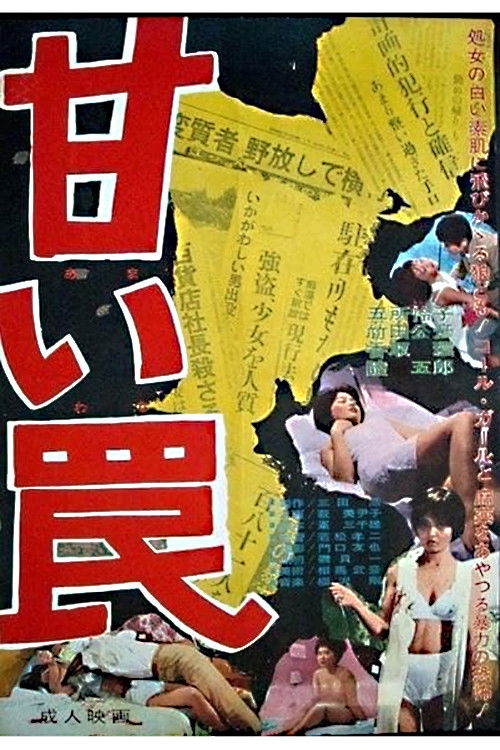
Sweet Trap
1963
No user ratings available yet
Representation score: 5.9 out of 10
Representation Score
Fair
1956
Director
Yūzō Kawashima
Runtime
81 minutes
Average Rating
No ratings yetNew Showbiz Analysis
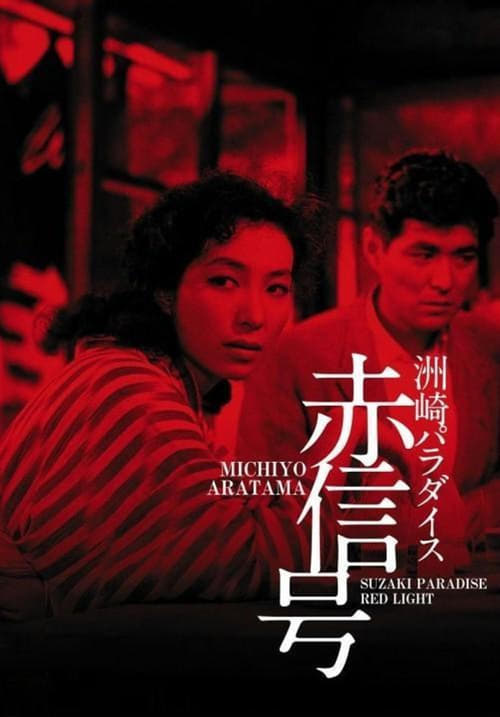
Suzaki Paradise: Red Light District is a work of social realism that prioritizes a critique of systemic poverty over modern multi-layered markers. By giving Tsutue a level of autonomy and social intelligence, the film challenges the cliché of the submissive female. It provides a deep, localized look at the Japanese working class, offering a nuanced observation of human relationships during a period of significant social change. The film's strength lies in its examination of women's ability to act within a restrictive economic sector, elevating it beyond a standard period drama.
Category Breakdown
The story focuses on a heterosexual relationship between Yoshigi and Tsutue. There are no representations of non-straight or non-cisgender identities or same-sex intimacy.
Tsutue actively uses her charm to navigate a commercialized sexual economy, showing she is an active participant rather than a passive victim of her circumstances.
The cast is ethnically uniform, reflecting the demographics of 1950s Tokyo. It explores Japanese subculture without blending in diverse racial perspectives.
The film critiques socioeconomic structures that push people to the margins of society. It portrays survival in the red-light district as a response to institutional failures.
There are no characters with disabilities or neurodivergent traits that affect the plot or character development.
Present on Screen
Limited or Absent
Official Synopsis
A jobless young couple, Yoshigi and Tsutue, wind up at the outskirts of the Suzaki red-light district in Tokyo. Tsutue talks her way into a job pouring sake for male customers at a small bar run by a sympathetic older woman, while Yoshigi is shunted off into a nearby noodle shop, where he gets a job delivering noodles. Tsutue charms and runs off with one of her clients. Yoshigi, ignoring the attentions of a sweet co-worker, pursues Tsutue.
1963

1956

1977

1961
1956
1974
1935
1935
No reviews yet. Be the first to share your thoughts on this movie!
Use the rating form above to leave a star rating and optional review.