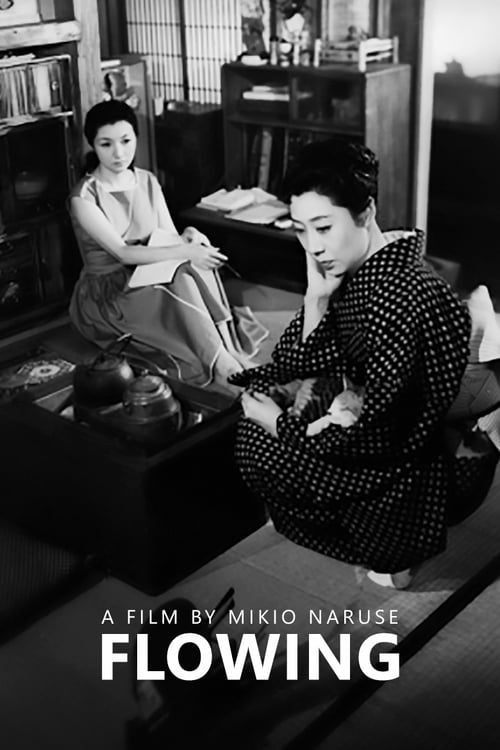
Flowing
1956
No user ratings available yet
Representation score: 3.3 out of 10

Representation Score
Fair
1999
Director
Kinji Fukasaku
Runtime
113 minutes
Average Rating
No ratings yetNew Showbiz Analysis
The Geisha House offers a nuanced study of institutional friction by focusing on the internal ability to act of female protagonists. It examines how established social orders can be restrictive within a stratified system. While the film excels at centering a specific, historically complex community, it remains limited by its focus on traditional gendered roles. Ultimately, the film succeeds as a cultural critique, exploring how historical customs can be oppressive during a period of significant societal change.
Category Breakdown
The film focuses on the highly codified, gendered social structures of the Kyoto geisha community. There is no explicit depiction of LGBTQ+ identities or same-sex intimacy.
The narrative disrupts conventional hierarchies by centering on a female-dominated ecosystem. It prioritizes the intellect, discipline, and social maneuvering of women within their professional mastery.
The cast is ethnically homogeneous, reflecting the historical reality of post-WWII Japan. The film centers Japanese customs as the primary lens.
The film engages in a sophisticated critique of traditional institutions. It explores the tension between rigid historical customs and the shifting modern identity of Japan.
There is no discernible evidence regarding the portrayal of physical or neurodivergent disabilities in this work.
Present on Screen
Limited or Absent
Official Synopsis
Set in a Kyoto geisha house during the post-WWII era, the young Omocha begins her rigorous apprenticeship within the traditional community of geiko and maiko. She must navigate complex internal rivalries and a strict social hierarchy while the house struggles to maintain its customs. As modern society shifts around them, the residents face the increasing pressure of Japan's changing cultural identity.
1956

1956
1983
1952
1953
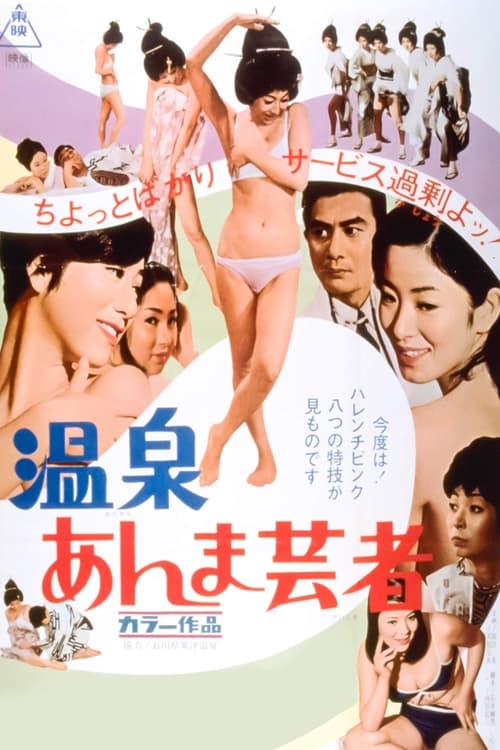
1968
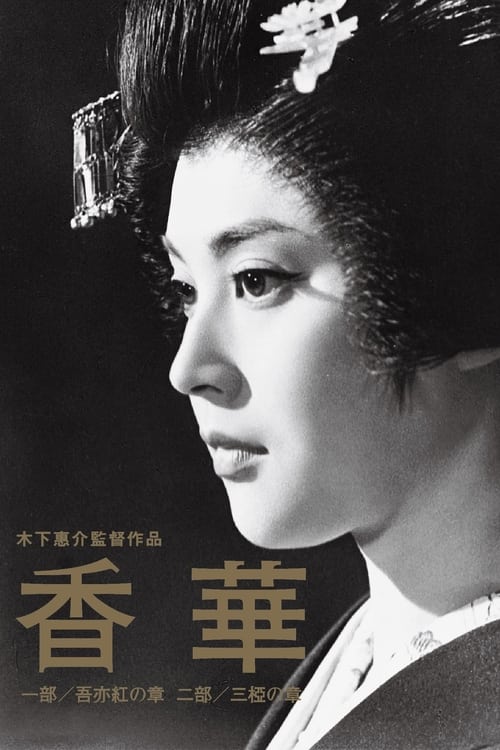
1964

1961
No reviews yet. Be the first to share your thoughts on this movie!
Use the rating form above to leave a star rating and optional review.