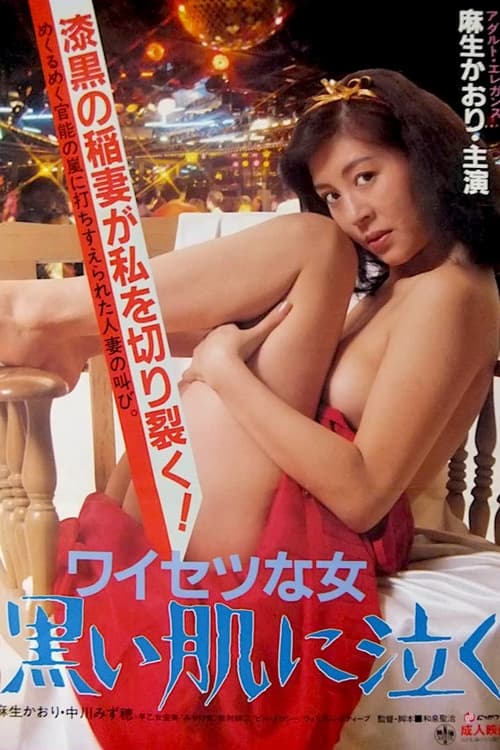
Waisetsuna onna: Kuroi hada ni naku
1985
No user ratings available yet
Representation score: 4.6 out of 10
Representation Score
Fair
1994
Director
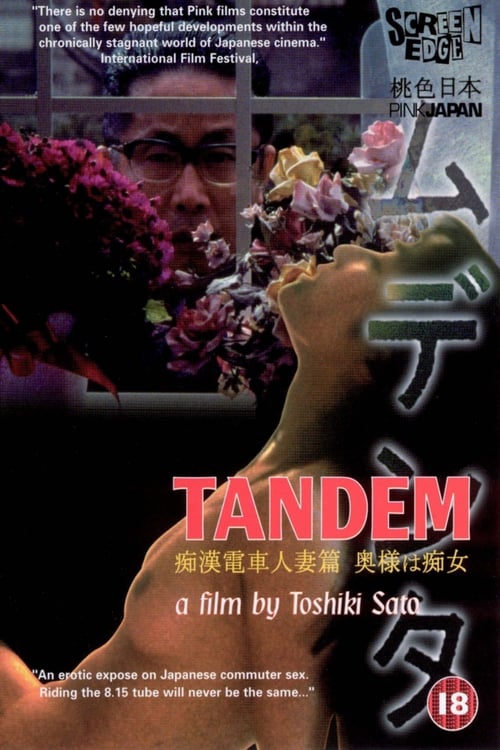
Toshiki Sato
Runtime
60 minutes
Average Rating
No ratings yetNew Showbiz Analysis
Tandem is a psychological study of escapism that prioritizes narrative disruption over broad demographic representation. It successfully deconstructs the rigidity of social decorum and the sanctity of the domestic unit through its non-linear structure. However, the film remains limited by its genre-specific focus. It relies on traditional gendered sexual dynamics and lacks representation for LGBTQ+ identities, disabilities, or multi-ethnic perspectives. Ultimately, the film's strength lies in its critique of the 'drab' traditionalist lifestyle, even though it stays within a narrow cultural and sexual framework.
Category Breakdown
The film focuses on heterosexual relationships and infidelity. It highlights strong bonds between the two male protagonists but does not depict LGBTQ identities or romantic arcs.
Women are shown as active participants in erotic subversion rather than passive objects. The film challenges traditional domesticity by contrasting charged desire with the mundanity of daily life.
The cast and setting are ethnically homogeneous, focusing on the socio-cultural specifics of 1990s Japan. It does not aim to represent a multicultural or multi-ethnic landscape.
The narrative criticizes oppressive societal norms by presenting sexual transgression as an escape from mundane life. It prioritizes individual psychological truth over traditional institutional morality.
There is no depiction of characters dealing with physical, neurodivergent, or mental health disabilities. The story centers on sexual tension and social isolation.
Present on Screen
Limited or Absent
Official Synopsis
The story of two men, one middle aged one mid twenties, who make friends and exchange cigarettes and stories of their sex lives, unaware they have unwittingly exchanged partners. The story, told in flashbacks, as the two men travel through the night on a motorcycle, is loaded with highly charged eroticism. Sex and violence are juxtaposed against the drabness of the men's everyday lives, effectively blurring the line between what is real and what is fantasy. Founded on the well-known myth of furtive sexual gropers on the rush-hour Tokyo commuter trains, Tandem is a low-key masterpiece of Japanese Pink Cinema.
1985
1976
1971
1978
1992
1977
1983

2015
No reviews yet. Be the first to share your thoughts on this movie!
Use the rating form above to leave a star rating and optional review.