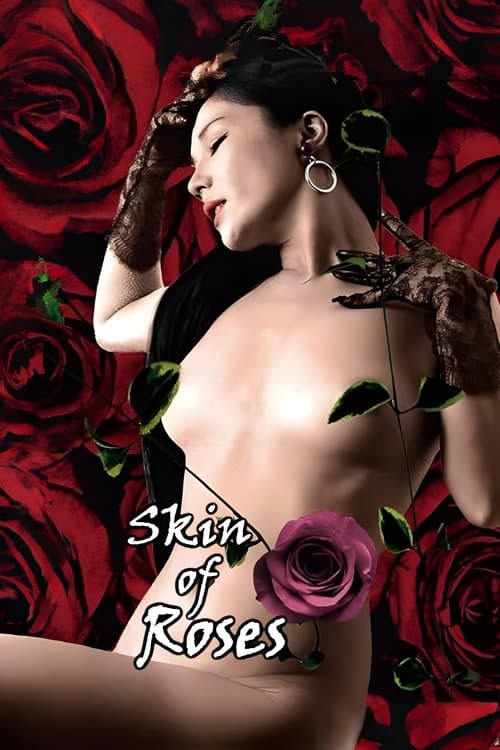
Skin of Roses
1978
No user ratings available yet
Diversity score: 5.5 out of 10
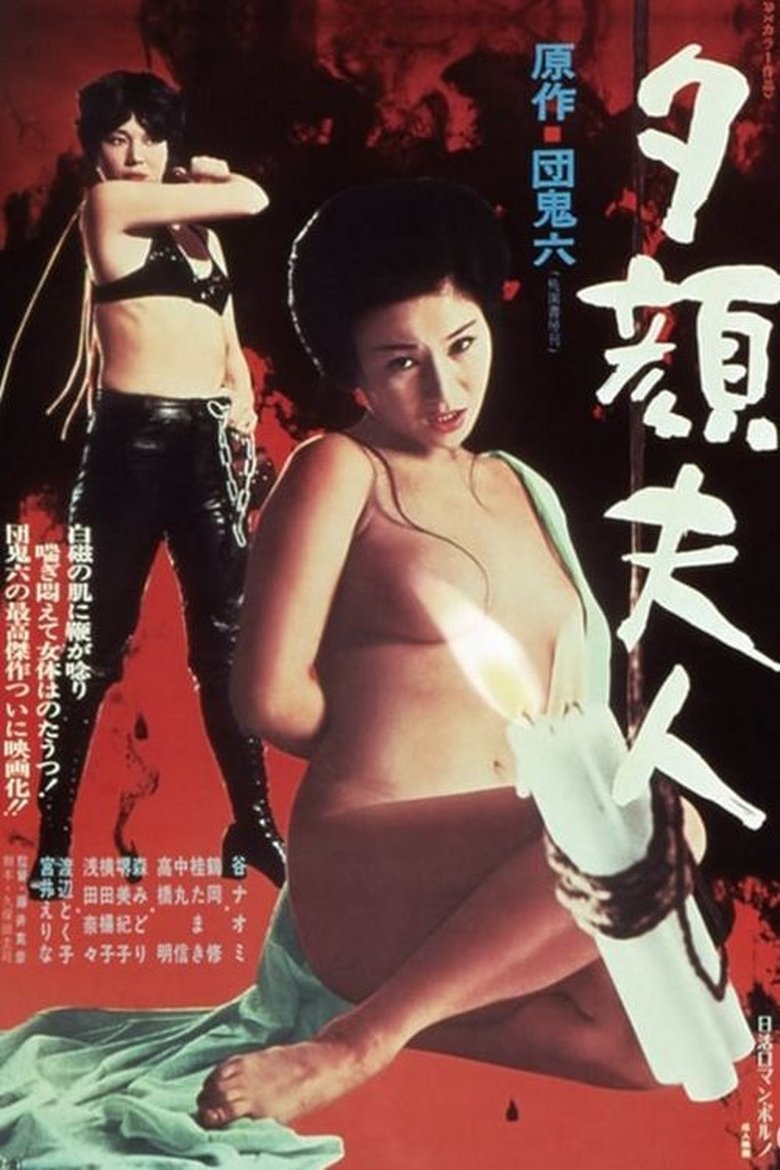
1976
Director
Katsuhiko Fujii
Runtime
70 minutes
Average Rating
No ratings yetSynopsis
Kizaki kidnaps Yuriko and engages in a rape and torture session with her, which he photographs. With the photos, he blackmails flower arrangement teacher Yumeji, Yuriko's older sister. Rather than allow him to shame her clan by sending the photos to the media, Yumeji goes to Kizaki. Kizaki then proceeds to rape and torture Yumeji, who was his true desire all along.
Overall Score
Fair
Category Breakdown
LGBTQ+ Representation
The film explores intense, non-traditional interpersonal obsessions. While it lacks explicit non-cisnormative identities, the shifting focus of the antagonist's desire suggests a disruption of conventional romantic tropes.
Gender Representation
Female characters drive the plot's tension, yet their agency is heavily compromised by systemic violence. The narrative focuses on victimization and trauma rather than empowerment or stable leadership.
Racial & Ethnic Diversity
As a Japanese production, the film functions as a localized narrative. There is no evidence of intersectional racial blending or the subversion of ethnic homogeneity.
Religious & Cultural Diversity
The story deconstructs traditional clan honor and social standing. It portrays family structures through a lens of vulnerability and corruption rather than stability or morality.
Disability Representation
The narrative provides no evidence regarding the portrayal of physical or neurodivergent disabilities.
Strengths
Areas for Improvement
AI Analysis
Lady Moonflower is a dark drama centered on themes of coercion, blackmail, and the deconstruction of social hierarchies. The plot follows a predatory male figure who uses violence and photography to destabilize the lives of two sisters. While the film subverts traditional social expectations and moral stability, it does so through a lens of extreme trauma. The central female figures are defined more by their victimization than by proactive agency or intersectional identity. Ultimately, the film offers a localized, intense study of power dynamics and the corruption of reputation, though it lacks breadth in its representation of diverse identities.
1978

1983

1977

1979
1975
1971
1966
1971
1966

1981
1982

1977
No reviews yet. Be the first to share your thoughts on this movie!
Use the rating form above to leave a star rating and optional review.