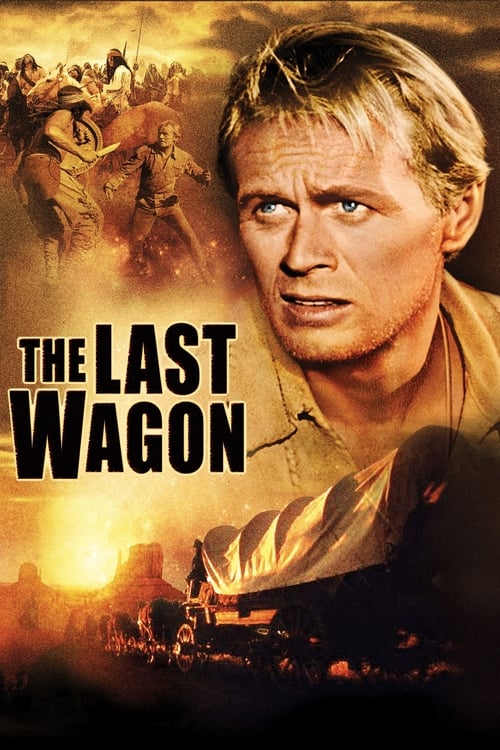
The Last Wagon
1956
No user ratings available yet
Diversity score: 2.9 out of 10
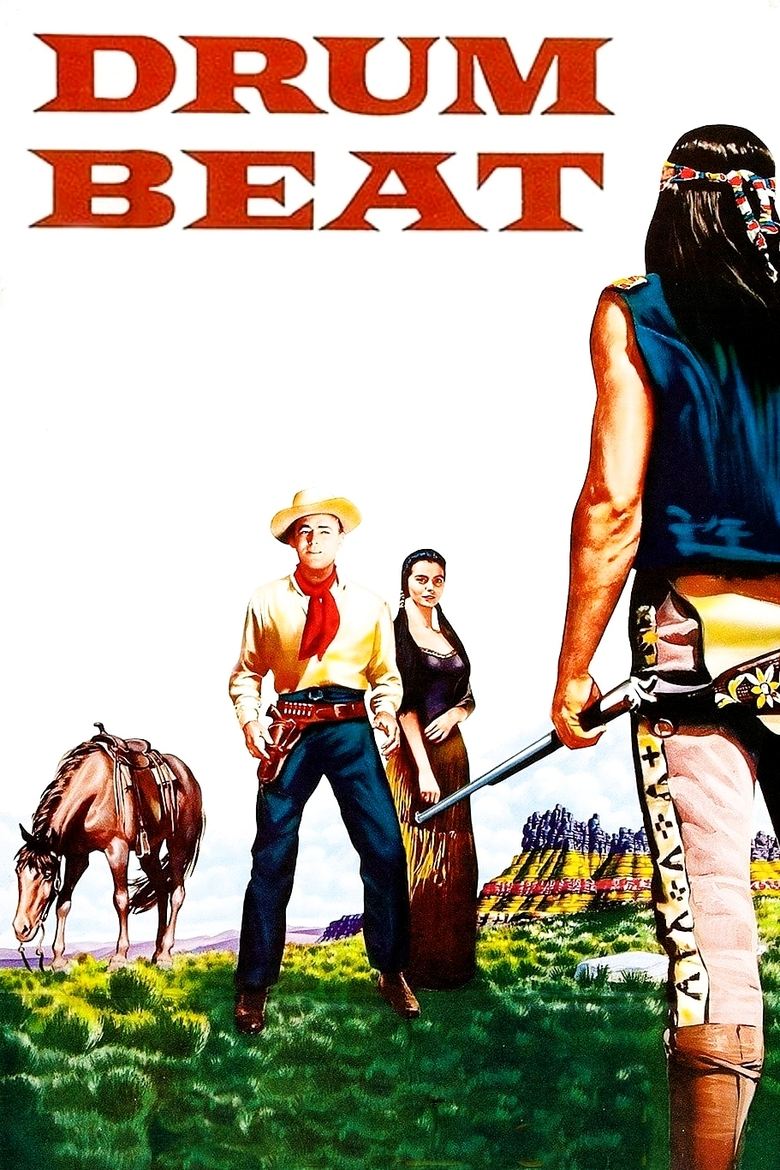
1954
NRDirector
Delmer Daves
Runtime
111 minutes
Average Rating
No ratings yetSynopsis
President Grant orders Indian fighter MacKay to negotiate with the Modocs of northern California and southern Oregon. On the way he must escort Nancy Meek to the home of her aunt and uncle. After Modoc renegade Captain Jack engages in ambush and other atrocities, MacKay must fight him one-on-one with guns, knives and fists.
Overall Score
Minimal
Category Breakdown
LGBTQ+ Representation
The film operates within a strictly heteronormative framework. There is no discernible presence of non-cisnormative identities or same-sex intimacy.
Gender Representation
Gender hierarchies are reinforced through traditional tropes. Nancy Meek serves primarily as a damsel in distress, while male characters drive all conflict resolution.
Racial & Ethnic Diversity
Indigenous Modoc characters function largely as monolithic antagonists. They lack individual agency and serve primarily as obstacles to the white protagonist's mission.
Religious & Cultural Diversity
The narrative celebrates Western expansion and the 'civilizing mission.' It validates frontier justice and the preservation of settler communities as central themes.
Disability Representation
There is no engagement with disability or neurodivergence. No characters with visible or invisible disabilities are present in the story.
Strengths
Areas for Improvement
AI Analysis
Drum Beat is a quintessential mid-century Western that adheres to the established cinematic grammar of its era. The narrative architecture prioritizes white, male agency while utilizing Indigenous populations as secondary plot devices to create tension. The film reinforces traditional social hierarchies rather than deconstructing them. It relies on frontier archetypes and conventionalist views of patriotism and territorial sovereignty to drive its plot. Ultimately, the work lacks intersectional depth. It functions as a celebration of settler expansion, offering little nuance regarding the complex motivations of its non-white characters.
1956
1957
1958
1954
1953

1952
1955
1968
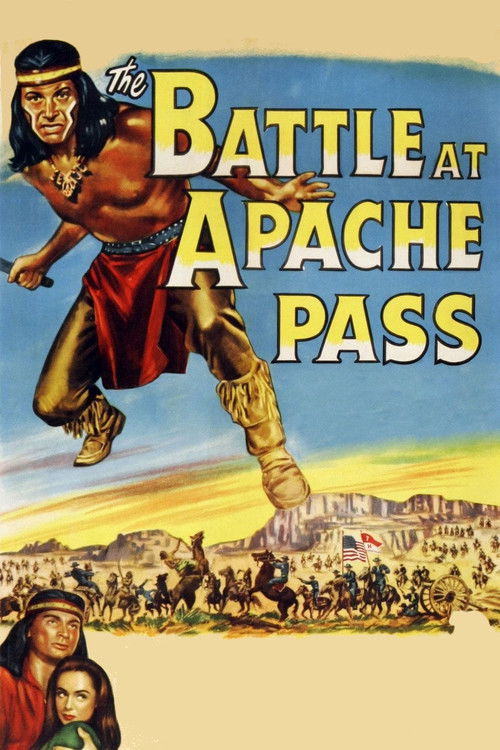
1952
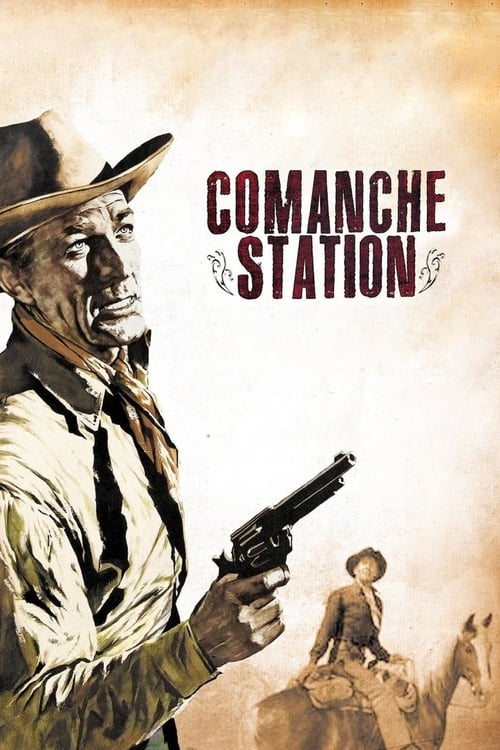
1960
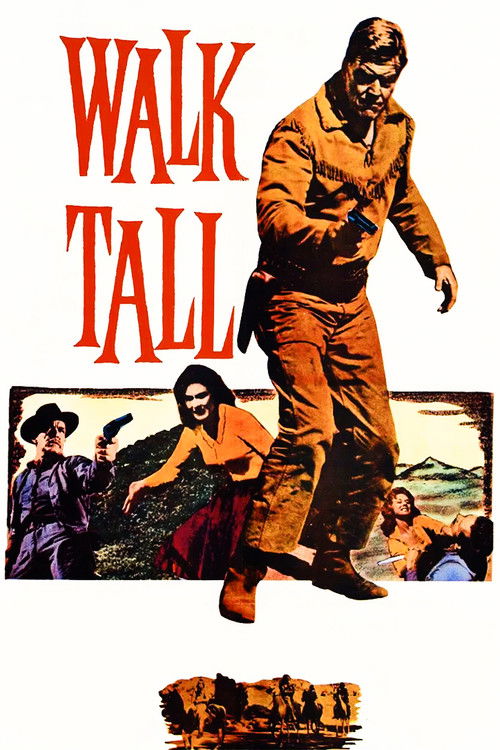
1960
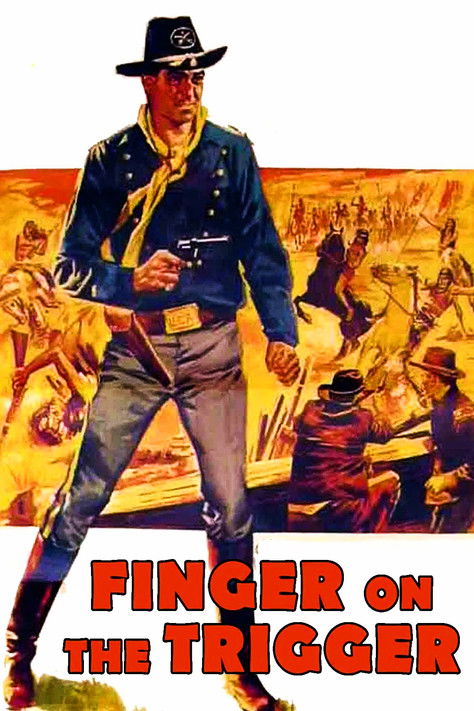
1965
No reviews yet. Be the first to share your thoughts on this movie!
Use the rating form above to leave a star rating and optional review.