
Conquest of Cochise
1953
No user ratings available yet
Representation score: 0.9 out of 10
Representation Score
Minimal
1958
NRDirector
Howard W. Koch
Runtime
80 minutes
Average Rating
No ratings yetNew Showbiz Analysis
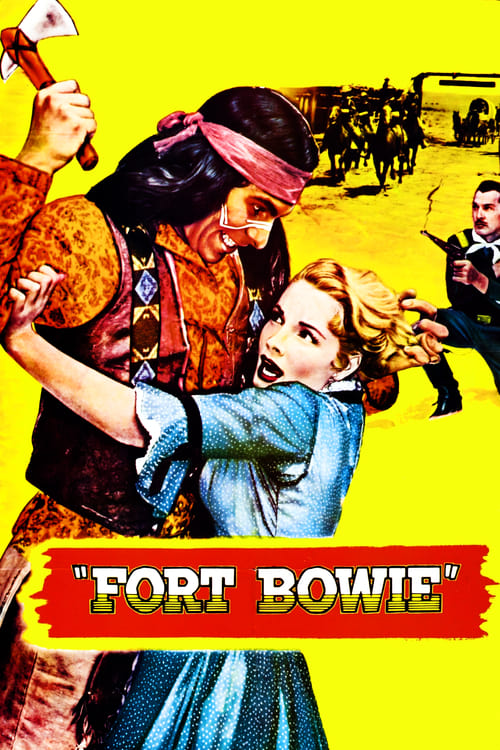
Fort Bowie is a conventional mid-century Western that adheres strictly to the social hierarchies of 1950s Hollywood. The narrative prioritizes established authority structures and traditional interpersonal dynamics, offering no disruption to the era's prevailing cultural norms. The film centers on the tensions within the US Cavalry and the domestic anxieties of its officers. It uses conflict with Indigenous populations as a standard genre backdrop rather than a site for systemic critique or nuanced representation. Ultimately, the work functions as a product of its time, reinforcing white, straight-centered, and institutional authority without attempting to deconstruct the power dynamics of the American West.
Category Breakdown
The film does not include any LGBTQ+ characters or non-cisgender identities. The story revolves around heterosexual relationships and traditional marriage.
Female characters mainly serve as emotional support or domestic figures. Their influence is closely tied to the social and romantic lives of the male protagonists.
The cast is predominantly white, with actors in military roles. Apache characters are present but are portrayed through a traditional adversarial lens rather than nuanced character development.
The story upholds the legitimacy of the US military and settler-colonial structures. It adheres to a moral framework based on mid-century values.
There is no significant portrayal of physical or neurodivergent disabilities in the film.
Present on Screen
Limited or Absent
Official Synopsis
Fort Bowie commander Colonel Garrett, suspecting that his wife Alison is having an affair with good-looking Captain Thompson, sends him on a dangerous mission to try to persuade renegade Indian leader Victorio to cease his attacks against white settlers and soldiers.
1953
1940
1952
1966
1960
1960
1950
1965
No reviews yet. Be the first to share your thoughts on this movie!
Use the rating form above to leave a star rating and optional review.