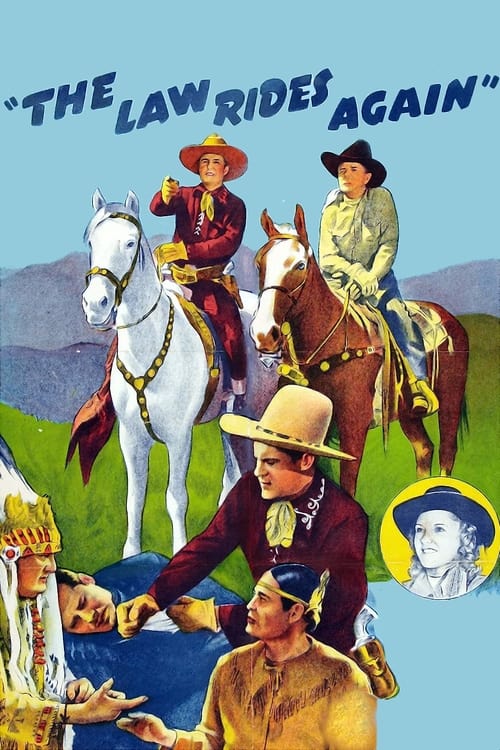
The Law Rides Again
1943
No user ratings available yet
Representation score: 1.3 out of 10
Representation Score
Minimal
1952
NRDirector
George Sherman
Runtime
85 minutes
Average Rating
No ratings yetNew Showbiz Analysis
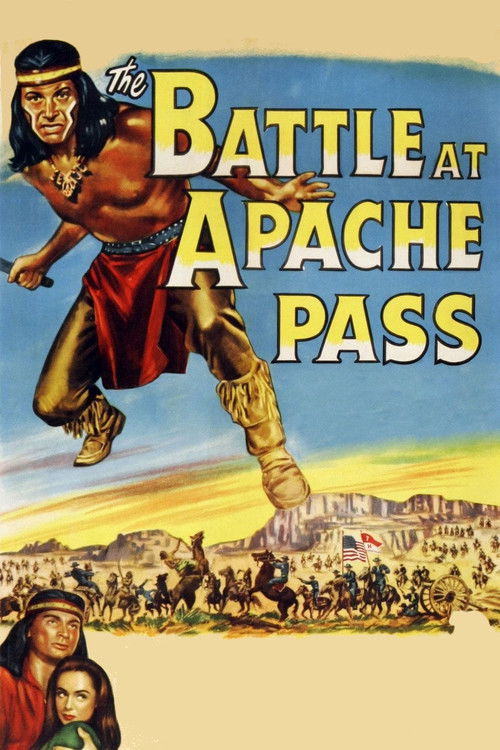
The Battle at Apache Pass is a classic 1950s Western that sticks closely to the genre conventions of its time. It prioritizes masculine leadership and the defense of Western territories over diverse viewpoints. While the film presents Cochise with a degree of complexity through his relationship with Major Colton, it remains anchored in traditional conflict clichés. The narrative lacks the layered diversity or critical examination seen in contemporary films. Ultimately, the film upholds rather than challenges the social and cultural norms of the mid-20th century.
Category Breakdown
The film does not include any visible LGBTQ+ characters or explore non-straight relationships. The story follows traditional mid-century social divisions.
The story focuses primarily on masculine military structures and male characters. Women are given minor, supporting roles within the settler community.
Apache characters are played by Native American actors, offering authentic visuals for the time. However, they are often used within common antagonist clichés.
The film emphasizes traditional Western institutions and the U.S. military. It promotes a singular moral clarity centered around territorial defense and military order.
There is no representation of physical, sensory, or neurodivergent identities. Characters are defined by the physical requirements needed for military service.
Present on Screen
Limited or Absent
Official Synopsis
Major Jim Colton is a sympathetic leader who has a working relationship with Apache leader Cochise. Colton is undermined by corrupt and politically ambitious Indian agent Neil Baylor who sets up a false attack, and the abduction of a local farmer's son. While Colton is away investigating the matter, Baylor convinces Lieutenant Bascom that Cochise's band is to blame, and incites him to lead an expedition against the Apache band to return the boy.
1943
1966
1953
1965
1958
1940
1939
1963
No reviews yet. Be the first to share your thoughts on this movie!
Use the rating form above to leave a star rating and optional review.