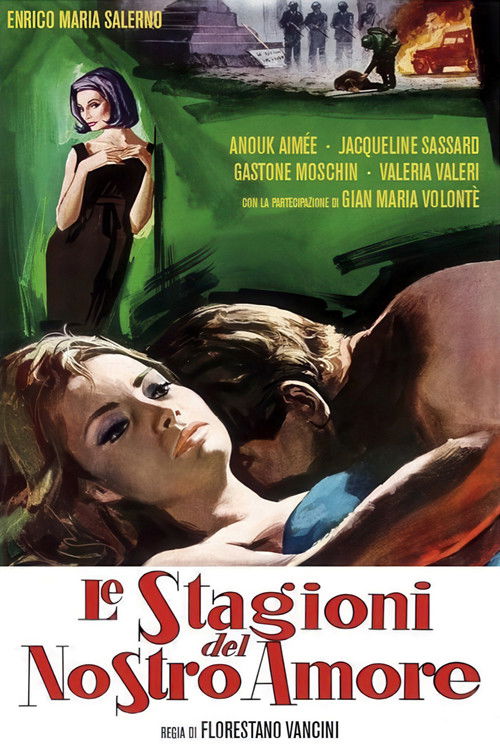
Seasons of Our Love
1966
No user ratings available yet
Representation score: 3.2 out of 10

Representation Score
Limited
1962
Not RatedDirector
Valerio Zurlini
Runtime
108 minutes
Average Rating
No ratings yetNew Showbiz Analysis
Family Diary is a psychological character study that focuses on class tensions and the struggles of brotherhood rather than contemporary diversity markers. It effectively critiques social hierarchies and the idealized family unit, presenting a realistic portrayal of systemic inequality. However, the film lacks representation of race, ethnicity, and LGBTQ+ identities. Its narrative structure is predominantly male-focused, examining the failures of traditional masculinity without delving into diverse gender experiences. Ultimately, the work serves as a critique of class stratification, refusing to sanitize the traditional social order.
Category Breakdown
The film highlights the bond between brothers Enrico and Lorenzo but does not depict any LGBTQ+ identities or relationships outside of heterosexual norms.
The story revolves around male relationships and the conflict between brothers. A warm-hearted grandmother adds a supportive presence, but the central issues remain focused on male dynamics.
Set in post-war Rome and 1930s Florence, the story unfolds in a historically homogeneous European environment. The narrative emphasizes class differences over racial or ethnic diversity.
The film critiques traditional Western institutions by showing the tension between the working class and the aristocracy. It challenges the 'gentleman' ideal through a lens of social struggle.
There are no visible or hidden disabilities that play a central role in the characters' stories or the plot development.
Present on Screen
Limited or Absent
Official Synopsis
Enrico is a struggling journalist in the Rome of 1945. He receives a phone call informing him that his younger brother Lorenzo has died. Enrico recalls their long and difficult relationship; he was brought up by their poor but warm-hearted grandmother, Lorenzo was raised as a gentleman by a wealthy local aristocrat. Reunited in the Florence of the 1930s, Enrico becomes his spoilt brother's keeper, forever haunted by a sense of guilty responsibility towards a man he both hates and loves.
1966

1957

1981

1961
1974
1945
1953
1988
No reviews yet. Be the first to share your thoughts on this movie!
Use the rating form above to leave a star rating and optional review.