Drive Me Home
2019
No user ratings available yet
Representation score: 5.8 out of 10
Representation Score
Limited
2010
Director
Edoardo Leo
Runtime
107 minutes
Average Rating
No ratings yetNew Showbiz Analysis
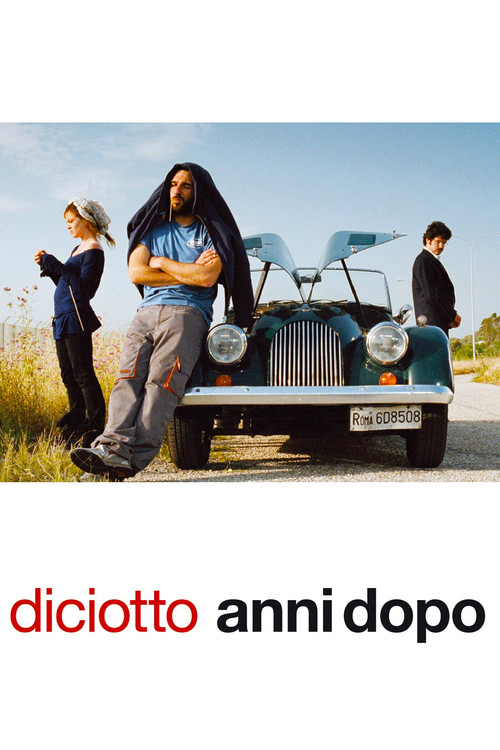
18 Years Later is a realist drama that prioritizes psychological depth and familial reconciliation over demographic diversity. The film uses a road movie structure to explore how shared trauma and socioeconomic differences shape the lives of two brothers. While the film lacks high-visibility markers of progressive representation, it avoids idealized traditionalism. Instead, it portrays the family structure as a source of both connection and profound dysfunction, focusing on the weight of patriarchal legacy. The production remains localized and homogeneous, centering on a specific Italian regionalist experience rather than a diverse or multicultural cast.
Category Breakdown
The story focuses on fraternal bonds and the legacy of a patriarch. There are no LGBTQ+ character arcs or non-cisgender identities that drive the plot.
The story emphasizes masculine dynamics between brothers and their deceased father. It subtly critiques masculine stoicism through the lens of grief.
The setting is centered around a domestic Italian family in Rome and Calabria. The narrative prioritizes a homogeneous cultural experience.
The film critiques traditional values by depicting the family shop through themes of stagnation. It explores the tension between modern globalization and ancestral obligations.
There are no specific depictions of visible or invisible disabilities in the narrative.
Present on Screen
Limited or Absent
Official Synopsis
Mirko and Genziano are two 35-year-old brothers who have not seen each other since their mother died in a freak accident in which they were involved—eighteen years ago. Since then, Genziano left to live in the UK and now is a stockbroker; Mirko instead remained in Rome, to stay with their father Marcello, working at the same run-down family shop. When Marcello dies, he leaves a task for the two brothers in his will: he asks them to take, on an old restored roadster, his ashes to the grave of his old mother in a village in Calabria, where the accident happened.
2019

2008
2008
2015
2010

2010
2018
2001
No reviews yet. Be the first to share your thoughts on this movie!
Use the rating form above to leave a star rating and optional review.