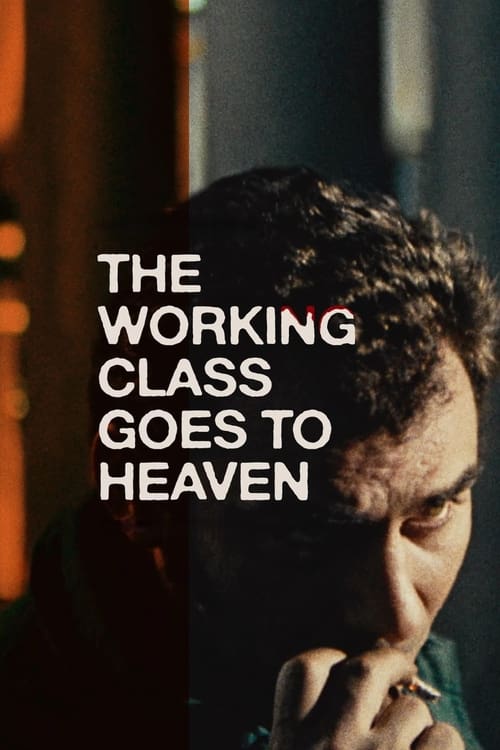
The Working Class Goes to Heaven
1971
No user ratings available yet
Representation score: 4.8 out of 10

Representation Score
Limited
1970
Director
Mauro Bolognini
Runtime
107 minutes
Average Rating
No ratings yetNew Showbiz Analysis
Metello is a historical period drama that emphasizes class-based resistance over modern identity politics. Its strength lies in critiquing systemic oppression and imperialist authority through the lens of the working class. However, the film lacks contemporary markers of diversity, such as LGBTQ+ visibility or subversion of traditional gender roles. The casting and character roles are heavily influenced by the historical setting and social hierarchies of the time. Overall, the film provides a nuanced view of historical power dynamics but remains a traditional, homogeneous depiction of 19th-century Italy.
Category Breakdown
The film follows strict 19th-century social norms where romantic relationships adhere to traditional heterosexual structures, with no indication of non-traditional gender identities or same-sex intimacy.
Women play crucial roles in the plot and emotional development, but their influence is often shaped by their family and romantic relationships. The film reflects the gender hierarchies typical of the Risorgimento era.
The film centers on a homogeneous Italian cast focused on the local struggle for national identity. While it avoids harmful stereotypes, it does not include a diverse or multi-layered cast.
The film examines class struggle and criticizes established power structures. It highlights the working class's fight against feudal and imperialist authority as a central theme.
There is no significant portrayal of visible or invisible disabilities within the narrative.
Present on Screen
Limited or Absent
Official Synopsis
The story of a young man of the working class, who has grown up practically an orphan due to his father’s repeated jailings for anarchistic activism. Struggling with life in 19th-century Italy, Metello Salani is determined to change his situation for the better - but love, marriage and politics complicate things considerably...
1971
1963

2019

1970
1964

1974
1962
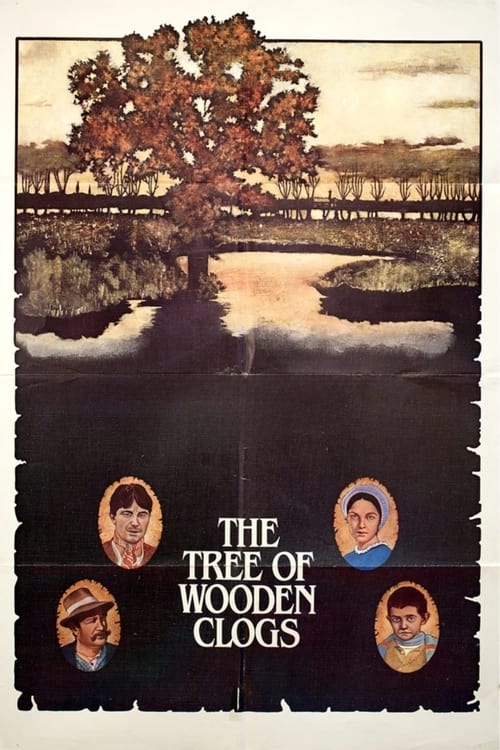
1978
No reviews yet. Be the first to share your thoughts on this movie!
Use the rating form above to leave a star rating and optional review.