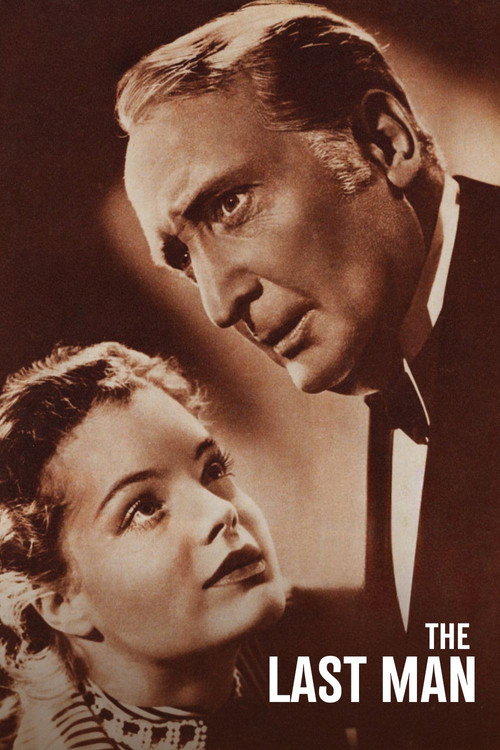
The Last Man
1955
No user ratings available yet
Representation score: 1.1 out of 10

Representation Score
Limited
1962
Director
Franco Brusati
Runtime
94 minutes
Average Rating
No ratings yetNew Showbiz Analysis
Franco Brusati’s drama serves as a biting social critique of 1960s Milanese life. It focuses on the friction between working-class reality and the superficiality of the upper class through the lens of social climbing. The film prioritizes systemic observation over diverse representation. While it deconstructs the era's glamorous depravity, it lacks modern markers of identity-based representation. Ultimately, the work finds its strength in analyzing class mobility and moral complexities rather than exploring diverse identities.
Category Breakdown
The film explores the social fluidity of 1960s Milan but does not have explicit LGBTQ narratives. Queer themes may be implied rather than defined through character arcs.
The story centers on a male protagonist's social ambitions. Women play important roles in the glamorous socialite sphere but lack significant control over their own stories.
The narrative seems to focus on a localized, Eurocentric social hierarchy of 1960s Milan. There is no indication of non-white casting or immigrant perspectives.
The film sharply critiques Milanese high society and capitalist aspirations. It highlights moral ambiguity and social disorder by disrupting idealized views of prosperity.
There is no documented evidence regarding the portrayal of physical or neurodivergent characters in this work.
Present on Screen
Limited or Absent
Official Synopsis
Study of 1960s Milanese social life and its glamorous depravity, as seen through the story of the working class Mario who dreams of social climbing.
1955
1961

1979

1965
1954
1963
1971
1937
No reviews yet. Be the first to share your thoughts on this movie!
Use the rating form above to leave a star rating and optional review.