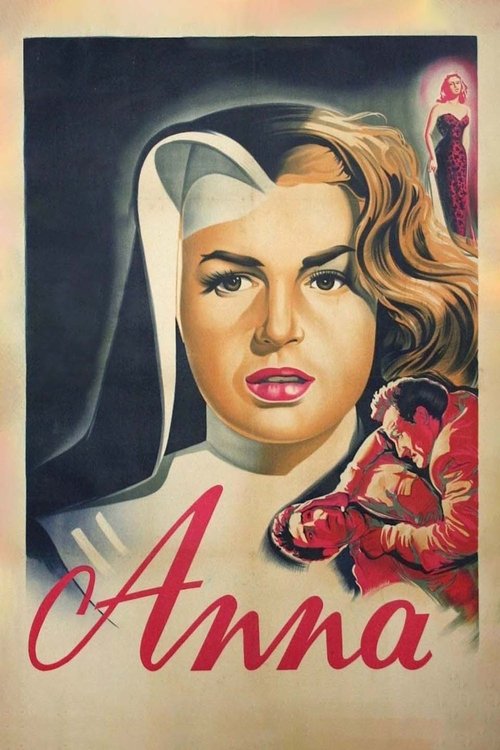
Anna
1951
No user ratings available yet
Representation score: 3.3 out of 10

Representation Score
Limited
1960
Director
Alberto Lattuada
Runtime
95 minutes
Average Rating
No ratings yetNew Showbiz Analysis
Alberto Lattuada’s drama focuses on the conflict between personal desires and institutional constraints. The film effectively critiques the authority of the monastery, presenting a sophisticated examination of systemic repression and religious dogma. However, it remains limited by the conventions of its time, featuring a homogeneous cast and a narrative structure rooted in patriarchal hierarchies. The film’s progressive value lies in its moral relativism, emphasizing the human struggle against ascetic discipline over the affirmation of diverse identities.
Category Breakdown
The film examines the suppression of natural desires in a monastic setting but lacks explicit depictions of LGBTQ+ identities or same-sex relationships.
The story unfolds within a patriarchal framework dominated by male clergy. While the protagonist faces challenges, the film does not significantly challenge gender hierarchies or grant substantial women's ability to drive the story.
The cast is predominantly European with little diversity in ethnicity or race. There is no evidence of a racially diverse ensemble or actors playing roles outside their traditional backgrounds.
The film provides a nuanced look at Western religious institutions, portraying religious vows as sources of repression rather than spiritual fulfillment. It questions institutional dogma.
There are no specific instances of visible or invisible disabilities featured in the film.
Present on Screen
Limited or Absent
Official Synopsis
The nun tells the priest about her past and then a long flashback begins...
1951
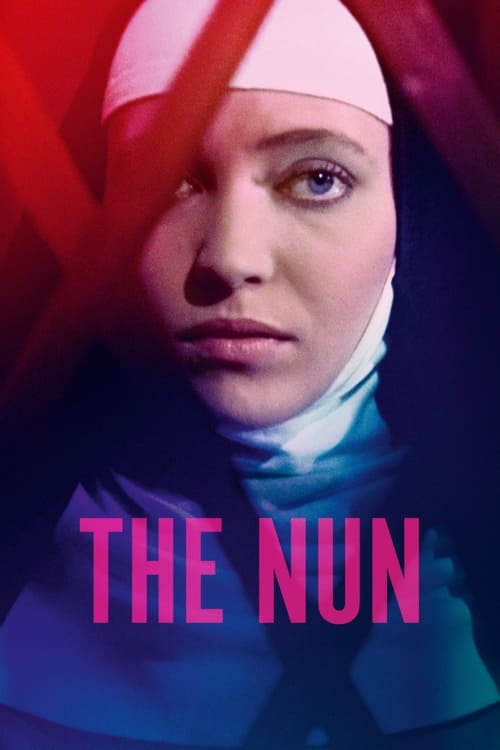
1967
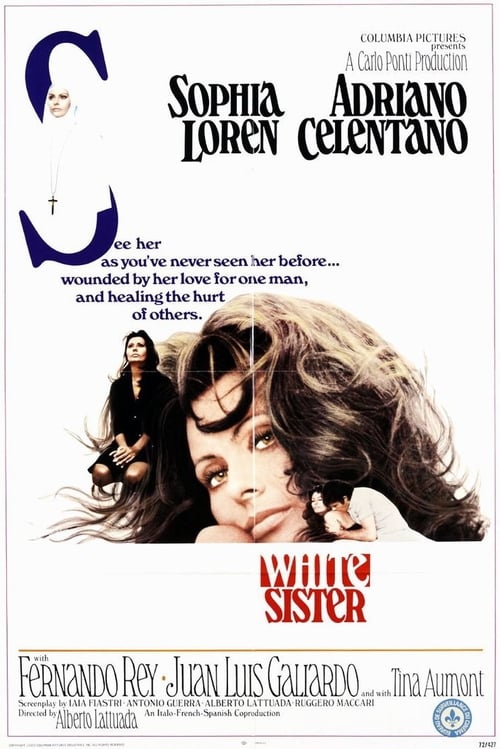
1972
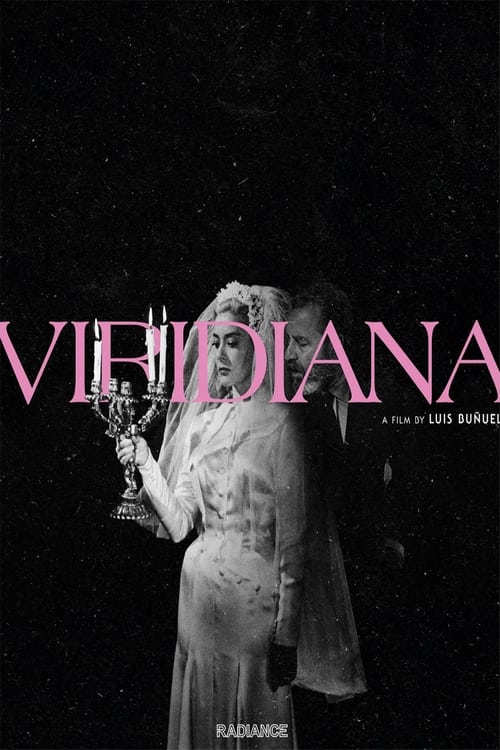
1962
1969
1948
1969
1968
No reviews yet. Be the first to share your thoughts on this movie!
Use the rating form above to leave a star rating and optional review.