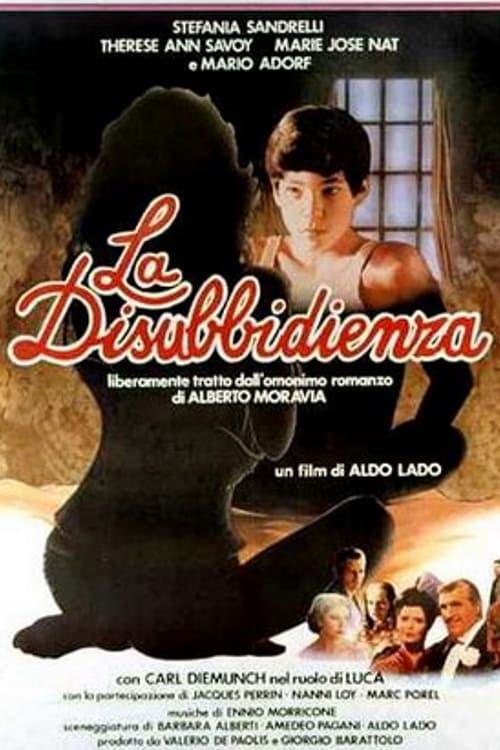
Disobedience
1981
No user ratings available yet
Representation score: 1.9 out of 10
Representation Score
Limited
1980
Director
Claudio Giorgi
Runtime
91 minutes
Average Rating
No ratings yetNew Showbiz Analysis
The film serves as a study of domestic power dynamics and authoritarianism in a rural Italian setting. It explores the tension between systemic control and individual autonomy within the historical context of the 1930s. However, the work lacks significant depth in representing diverse identities. The narrative relies on traditional demographic hierarchies and historical social constraints, offering limited evidence of subverted social structures. Ultimately, while the film critiques rigid authority, it does so within a very traditional and homogeneous framework that lacks broad representation.
Category Breakdown
The film does not include any clear representations of LGBTQ+ identities or same-sex relationships. The story focuses on traditional family structures, leaving LGBTQ+ themes unexplored.
The story centers around a male-dominated hierarchy where women are expected to follow patriarchal rules without question. Women are portrayed as subjects of this order rather than independent actors.
Set in rural 1930s Italy, the film likely reflects the homogeneous demographics of the time. It adheres to the social constraints of its historical context.
The film examines the breakdown of traditional authority through the conflict between dictatorial care and individual freedom. This tension suggests a critique of rigid, authoritarian systems and established social orders.
There is no information available regarding the portrayal of physically or neurodivergent characters.
Present on Screen
Limited or Absent
Official Synopsis
In the late thirties of Italy, In the background of peaceful village landscapes, Guido requires unquestioning obedience to his will in his house. Alberto dreams of breaking free from the dictatorial care.
1981

1973

1978
1984
1964
1948
1982

1975
No reviews yet. Be the first to share your thoughts on this movie!
Use the rating form above to leave a star rating and optional review.