Los días perdidos
1963
No user ratings available yet
Representation score: 1.9 out of 10
Representation Score
Limited
1983
Not RatedDirector
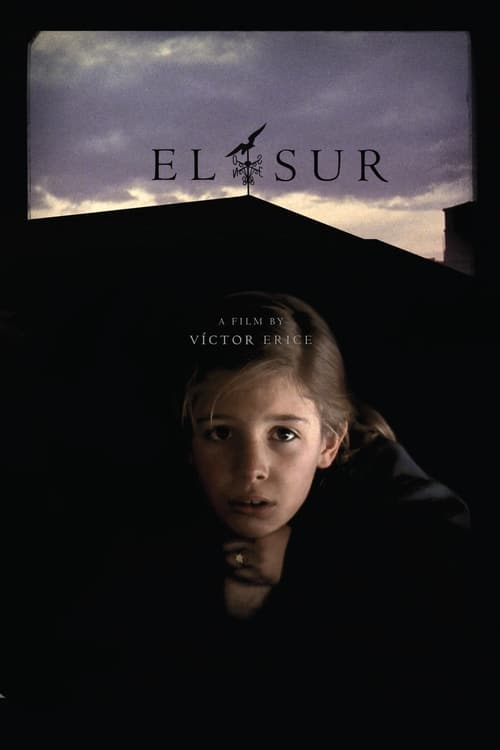
Víctor Erice
Runtime
94 minutes
Average Rating
No ratings yetNew Showbiz Analysis
El Sur is a contemplative, atmospheric study of memory and historical silence in post-Civil War Spain. It operates through a highly stylized lens, focusing on the psychological landscape of a family rather than overt political rhetoric. The film's strength lies in its sophisticated cultural critique. By framing the domestic sphere as a site of communicative breakdown, it challenges the idea of stable authority and uses the father's enigma to mirror the opacity of the Francoist era. However, the film remains demographically conservative. It adheres to a traditional nuclear family model and a homogeneous cast, offering little representation for LGBTQ+ identities or diverse racial backgrounds.
Category Breakdown
The film focuses on a traditional nuclear family and does not include any characters with non-conforming gender identities or narratives that question the assumption that everyone is straight.
The mother is confined to traditional domestic roles, while the daughter takes on an intellectual role that challenges traditional knowledge hierarchies.
The cast is ethnically and culturally uniform, reflecting the historical context of Northern Spain. The film does not attempt to diversify the period's demographic norms.
Erice uses atmospheric repression to criticize traditional Western institutions. The father's silence symbolizes the systemic suppression of truth during the Francoist regime.
The film does not feature characters with visible or invisible disabilities. Disability is not used as a central plot element or narrative device.
Present on Screen
Limited or Absent
Official Synopsis
A woman recalls her childhood growing up in the North of Spain, focusing on her relationship with her father.
1963

1988

1974

1976

1988
1997

1982

2004
No reviews yet. Be the first to share your thoughts on this movie!
Use the rating form above to leave a star rating and optional review.