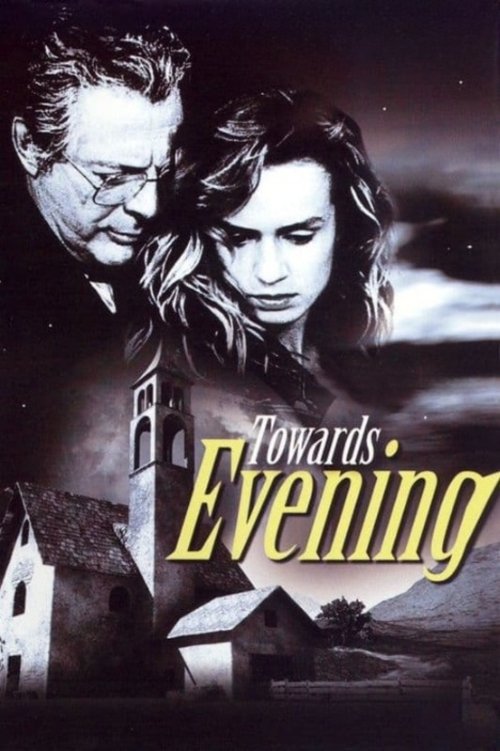
Towards Evening
1990
No user ratings available yet
Representation score: 5.2 out of 10
Representation Score
Limited
2008
Director
Pupi Avati
Runtime
104 minutes
Average Rating
No ratings yetNew Showbiz Analysis
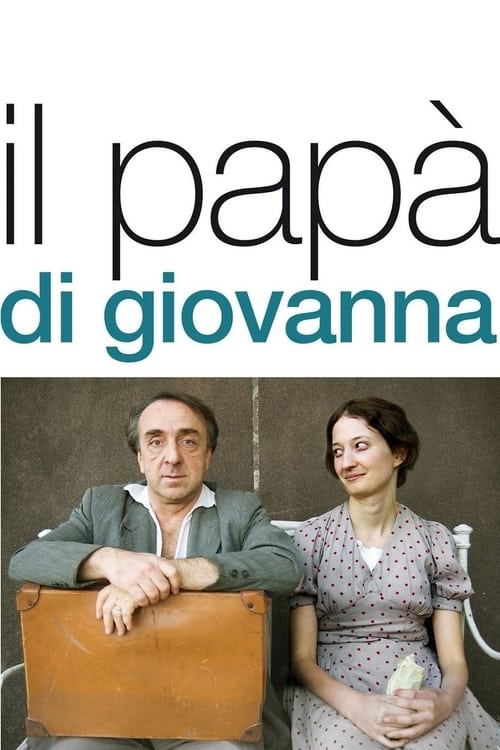
Pupi Avati’s drama is a period piece that prioritizes historical accuracy and psychological tension over modern characters who reflect more than one aspect of diversity. It functions as a study of social conformity within Fascist-era Italy, focusing on the friction between the individual and the state or family. The film's primary strength lies in its exploration of gendered resistance. By centering on a daughter's refusal to conform to patriarchal domesticity, it offers a meaningful critique of mid-century social structures. However, the film lacks diversity in terms of race and LGBTQ+ identities. It remains firmly rooted in a homogeneous, straight-centered framework that reflects its specific historical and provincial setting.
Category Breakdown
The film focuses on traditional heterosexual relationships and does not depict any non-cisgender identities or same-sex intimacy. It emphasizes traditional courtship and marriage within a mid-century Italian context.
Giovanna's character provides a nuanced critique of gender roles by resisting traditional domestic expectations set by her father. Her struggle highlights the conflict between personal autonomy and patriarchal norms.
The cast is ethnically uniform, reflecting the historical reality of provincial Italian society. The film prioritizes historical accuracy over diverse casting.
The narrative examines the tension between individual freedom and the rigid social norms imposed by religion. It critiques the oppressive nature of traditional authority and institutionalized morality.
There are no prominent depictions of visible or invisible disabilities that play a central role in the narrative.
Present on Screen
Limited or Absent
Official Synopsis
Michele Casali is a middle-class professor in Fascist Italy who teaches at the same high school attended by his only daughter, Giovanna. A shy and sensitive girl, her insecurities are only magnified by Michele's overprotectiveness—reaching a point of no return.
1990

1957
2007
1969
2000

1960
1989
1998
No reviews yet. Be the first to share your thoughts on this movie!
Use the rating form above to leave a star rating and optional review.