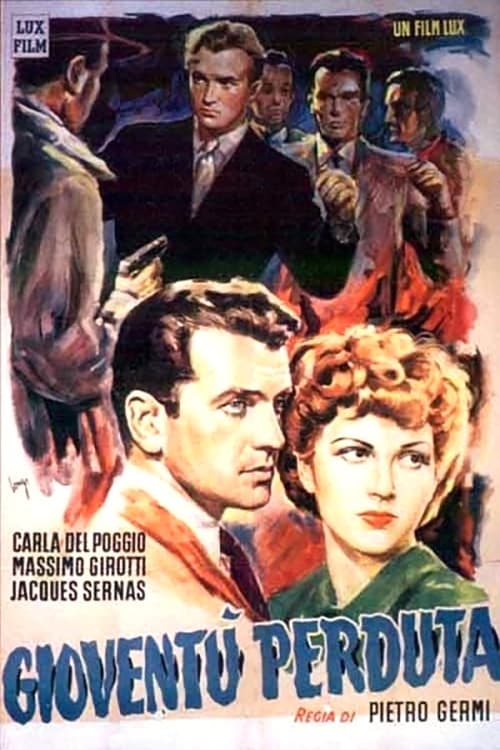
Lost Youth
1948
No user ratings available yet
Diversity score: 4.7 out of 10
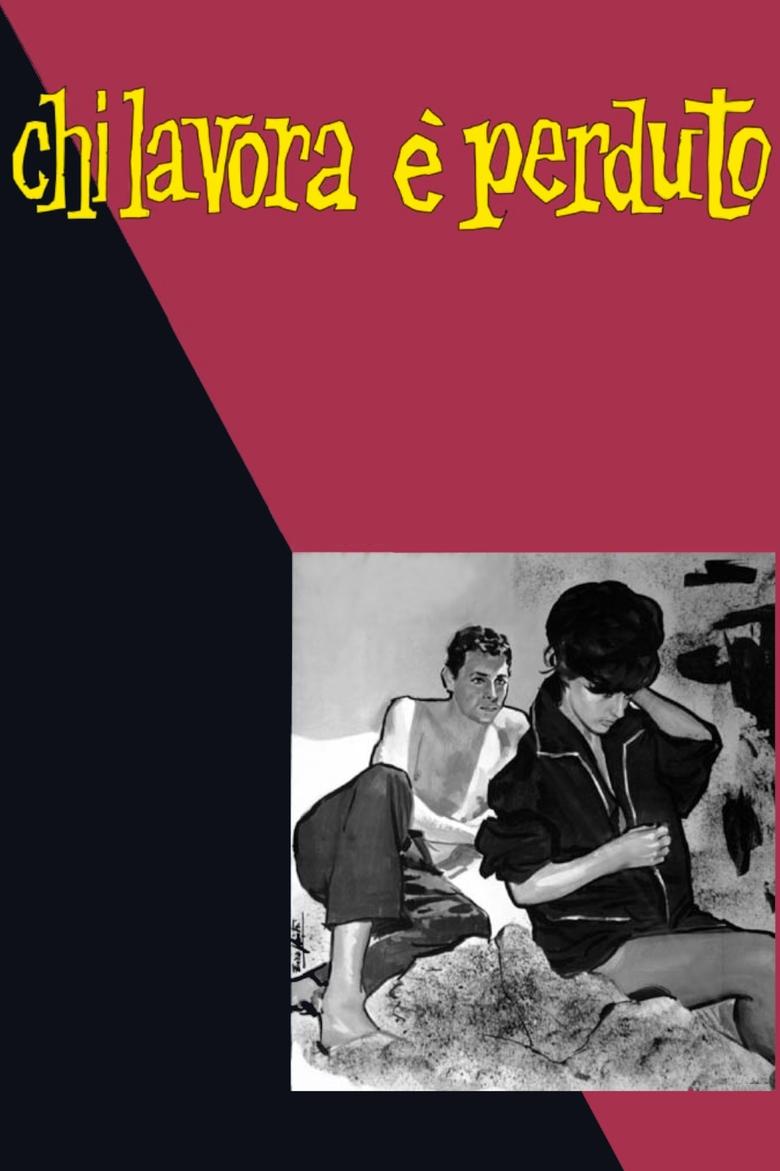
1963
Director
Tinto Brass
Runtime
77 minutes
Average Rating
No ratings yetSynopsis
Bonifacio is 27 years old and he is roaming about Venice. He is trying to decide whether to accept a job or not. In so doing, he recalls all his past life: his love story with Gabriella, his old friend Claudio, who had always regarded working as a worthwhile thing, the war, the partisans.
Overall Score
Fair
Category Breakdown
LGBTQ+ Representation
The narrative focuses on the protagonist's conventional romantic history with Gabriella. There is no evidence of non-cisnormative identities or queer narratives within the story.
Gender Representation
The film centers on the male experience of existential crisis and historical memory. Female characters like Gabriella serve primarily as emotional catalysts rather than independent agents.
Racial & Ethnic Diversity
Set in Venice, the film reflects the demographic homogeneity of its era and location. There is no indication of a multi-ethnic cast or diverse ethnic representation.
Religious & Cultural Diversity
The film engages deeply with systemic critique by questioning the sanctity of labor. It uses historical themes like the partisan struggle to challenge post-war social stability.
Disability Representation
There is no discernible mention of characters navigating physical or neurodivergent disabilities in the narrative.
Strengths
Areas for Improvement
AI Analysis
Tinto Brass's 1963 drama is a character study deeply embedded in the socio-political landscape of post-war Italy. It uses the protagonist's aimlessness to critique labor structures and the psychological remnants of partisan struggle. The film's diversity is bifurcated by its historical context. While it lacks modern intersectional breadth in racial and LGBTQ+ representation, it offers a strong cultural critique of capitalist productivity and institutional conformity. Ultimately, the work prioritizes individual existential truth over the traditional celebration of the industrial work ethic, providing a disillusioned view of mid-century European social shifts.
1948
1962
1965
1966
1962

1960
1979
1960
1961

1980
1986

1985
No reviews yet. Be the first to share your thoughts on this movie!
Use the rating form above to leave a star rating and optional review.