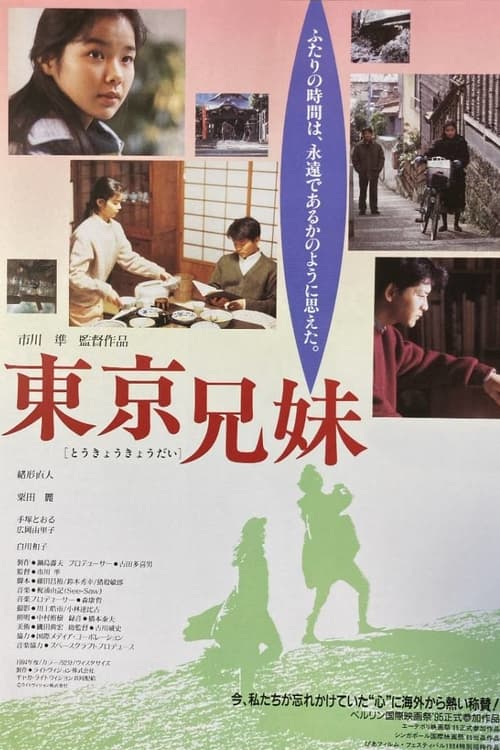
The Tokyo Siblings
1995
No user ratings available yet
Diversity score: 4.1 out of 10
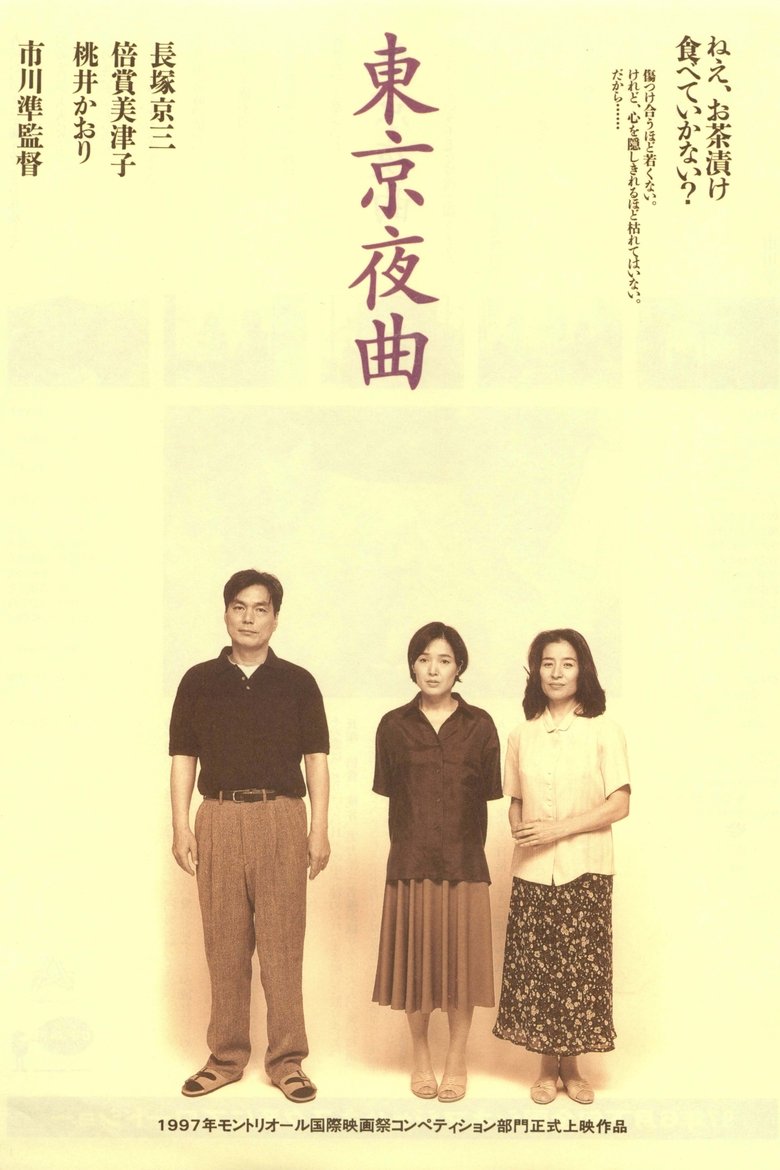
1997
Director
Jun Ichikawa
Runtime
86 minutes
Average Rating
No ratings yetSynopsis
Hamanaka Koichi returns to his wife Hisako and family in a sadder, run-down section of eastern Tokyo after having run away from home years before. He gives no explanation of his absence and his family asks no questions. It is only through the questions that a young writer named Asakura, who is secretly in love with Hisako, poses of local shop owners, that we learn that Hamanaka's disappearance may be related to the fact that the woman everyone thought he would marry, Tami - who runs the cafe across the street from the Hamanaka electric store - had ended up tying the knot with another man who died soon thereafter.
Overall Score
Fair
Category Breakdown
LGBTQ+ Representation
The film lacks explicit evidence of LGBTQ+ characters or non-heteronormative identities. The narrative focuses on domestic fallout and interpersonal connections between a journalist and a wife.
Gender Representation
The story centers on the female experience, specifically the wife's navigation of her husband's disappearance. It shifts agency toward women, disrupting traditional patriarchal hierarchies.
Racial & Ethnic Diversity
As a Japanese production, the film maintains a culturally homogeneous cast. It provides an authentic representation of its specific cultural landscape without seeking to disrupt racial hierarchies.
Religious & Cultural Diversity
The film explores moral relativism and subjective truth through a journalist's investigation. It prioritizes individual psychological states over traditional family stability or institutional reliability.
Disability Representation
There is no discernible evidence regarding the portrayal of physical or neurodivergent disabilities within the narrative.
Strengths
Areas for Improvement
AI Analysis
Tokyo Lullaby is a contemplative character study that prioritizes atmosphere and subjective experience over linear progression. It succeeds in shifting narrative agency toward female characters, who become the primary investigators of their own reality following a husband's disappearance. However, the film remains culturally homogeneous and lacks overt representation of LGBTQ+ identities or disability. It functions more as a postmodern exploration of truth than a vehicle for intersectional social messaging. Ultimately, the film's strength lies in its structural subversion of traditional patriarchal roles, even if it does not actively engage with broader diversity markers.
1995

2008
1997

2021

1996
2006

2003
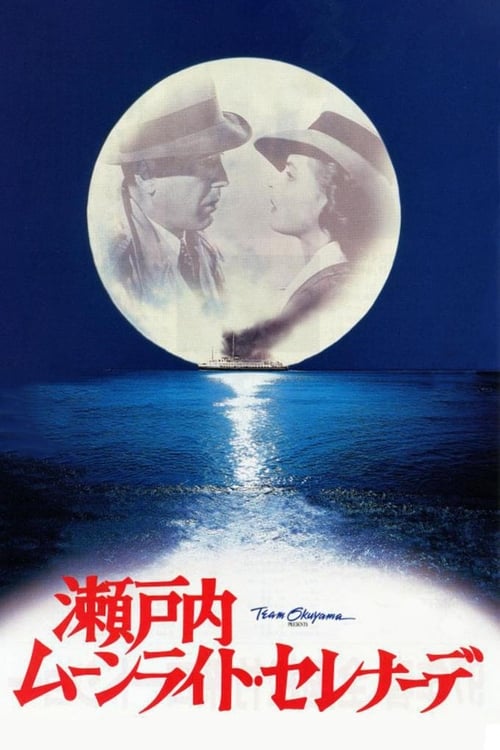
1997
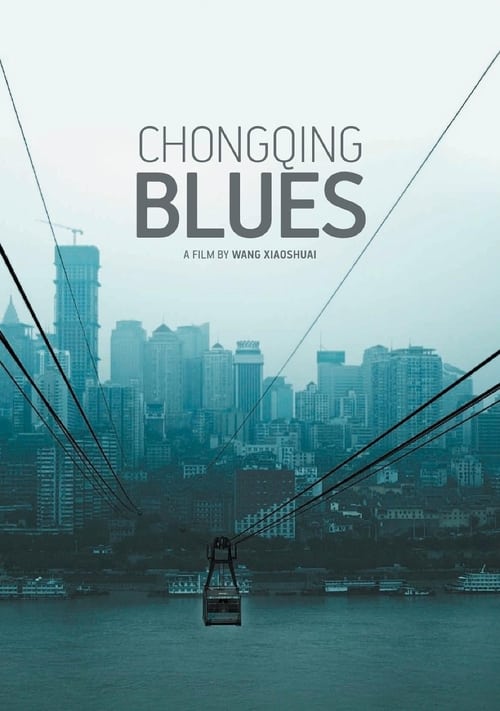
2010

1950
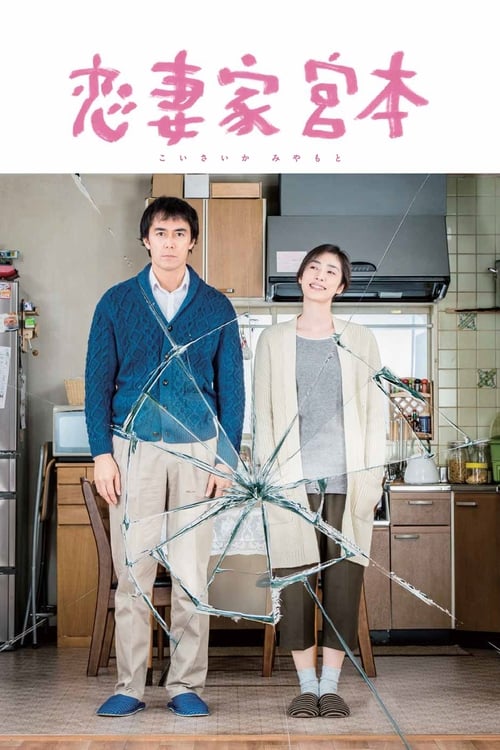
2016
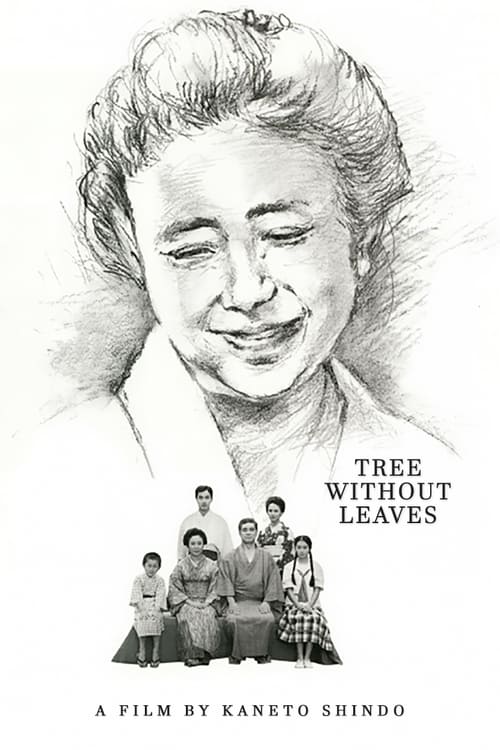
1986
No reviews yet. Be the first to share your thoughts on this movie!
Use the rating form above to leave a star rating and optional review.