
When Ladies Meet
1941
No user ratings available yet
Diversity score: 1.4 out of 10
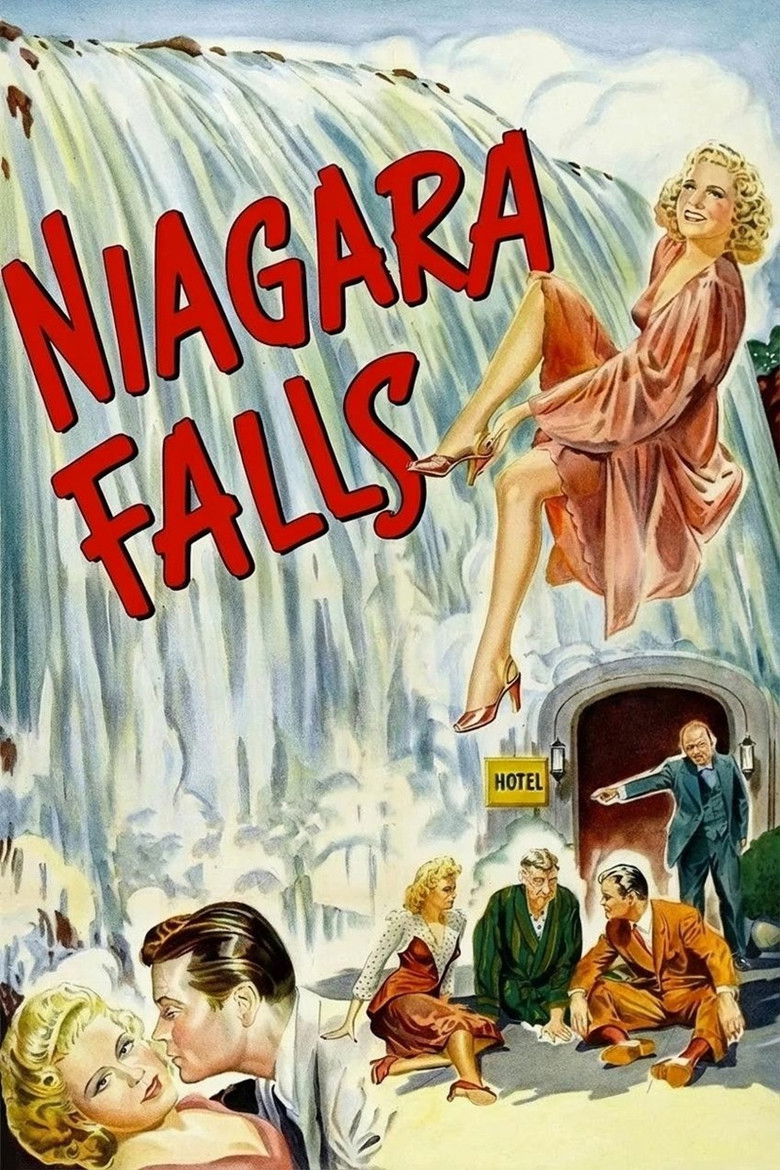
1941
NRDirector
Gordon Douglas
Runtime
44 minutes
Average Rating
No ratings yetSynopsis
The nosy antics of a honeymooner puts an unwed couple in the same room.
Overall Score
Limited
Category Breakdown
LGBTQ+ Representation
The film lacks any presence of queer subtext or non-cisnormative identities. The romantic arc is strictly heteronormative, focusing entirely on traditional courtship.
Gender Representation
Gender roles follow conventional 1940s hierarchies. While the plot explores emotional friction between the protagonists, it does not challenge masculine authority or elevate female intellect.
Racial & Ethnic Diversity
The production reflects the era's systemic homogeneity. The cast presents a largely Anglo-centric view of middle-class life with no significant racial or ethnic diversity.
Religious & Cultural Diversity
The narrative reinforces traditional Western values and the stability of the nuclear family. It offers no critique of capitalism, religion, or Western institutions.
Disability Representation
There are no prominent depictions of visible or invisible disabilities. Characters are presented as able-bodied individuals navigating romantic misunderstandings.
Strengths
Areas for Improvement
AI Analysis
Niagara Falls is a quintessential product of early 1940s Hollywood, functioning as a traditionalist narrative. It reinforces established social hierarchies and conventional domestic roles rather than attempting to disrupt them. The film's architecture is built upon the preservation of traditional structures, focusing on the interpersonal friction of a heterosexual couple. It lacks any meaningful representation of marginalized identities, whether through race, sexuality, or disability. Ultimately, the film serves as a reinforcement of the era's status quo, centering on a singular moral framework and a middle-class, Anglo-centric experience.
1941
1963
1941
1937
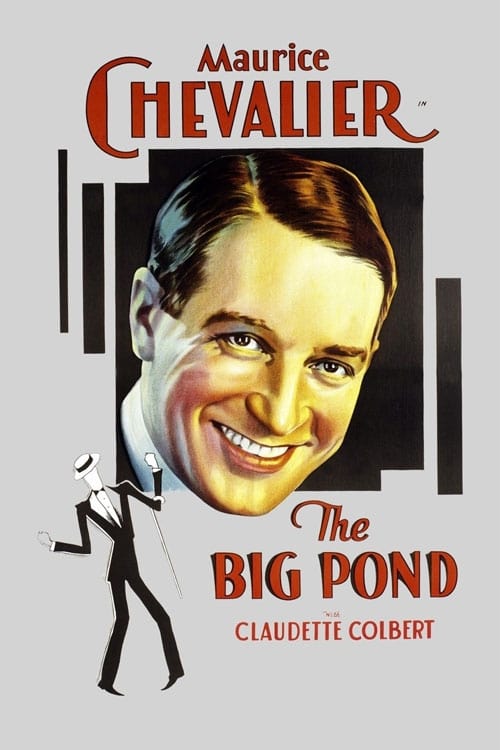
1930
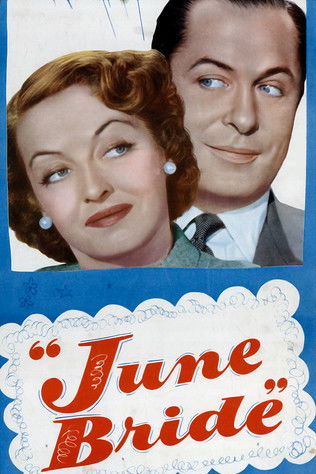
1948

1935
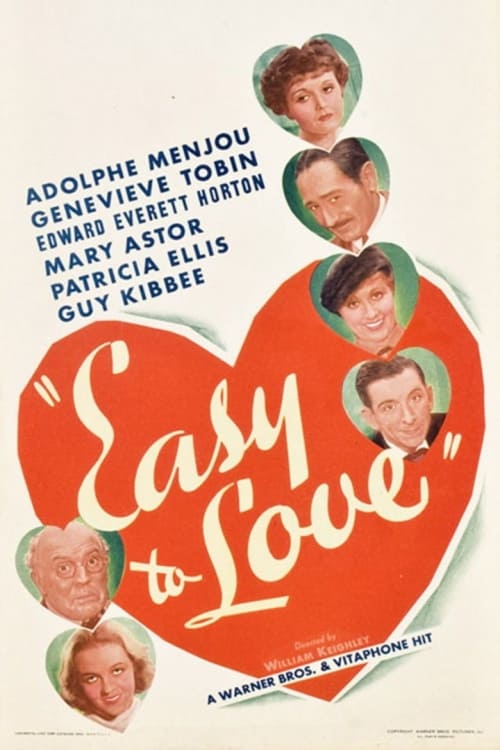
1934
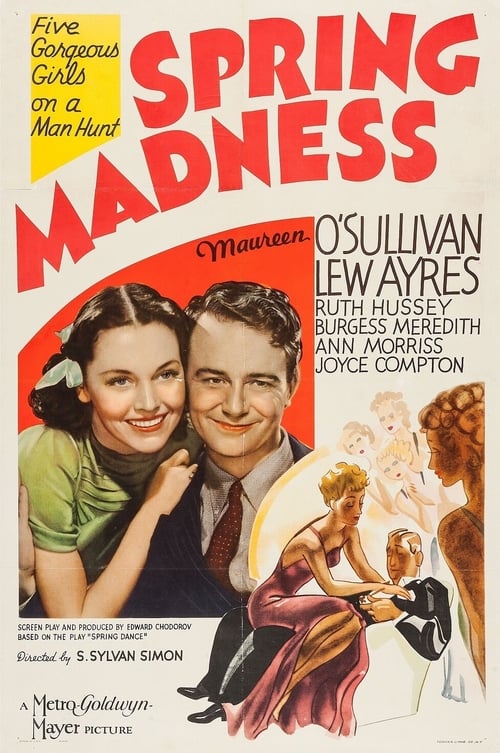
1938
1948

1942
1934
No reviews yet. Be the first to share your thoughts on this movie!
Use the rating form above to leave a star rating and optional review.