The Big Pond
1930
No user ratings available yet
Representation score: 0.6 out of 10
Representation Score
Minimal
1935
Director
Robert Wyler, Carol Reed
Runtime
68 minutes
Average Rating
No ratings yetNew Showbiz Analysis
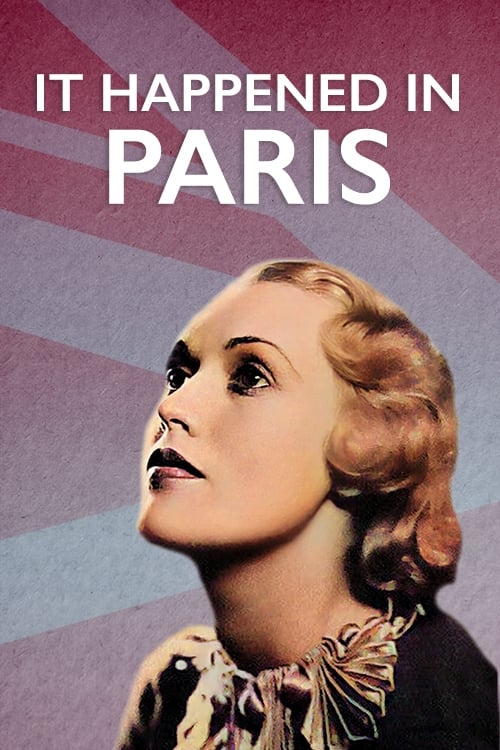
It Happened in Paris is a period-typical romantic comedy that centers on class-based romance and artistic pursuits. The narrative structure relies heavily on established 1930s clichés, focusing on a male protagonist's journey through a Westernized lens. The film lacks complexity in representing multiple aspects of identity, presenting a homogeneous social environment. It reinforces traditional hierarchies rather than challenging them through diverse character perspectives or non-traditional identities. Ultimately, the work functions as a standard celebration of high culture and romantic archetypes, offering little in the way of social or cultural disruption.
Category Breakdown
The film follows a typical romantic storyline between Paul and Jacqueline. There is no representation of LGBTQ+ identities or narratives that question the assumption that everyone is straight.
The plot follows a traditional framework where the male protagonist drives the story. Jacqueline serves as a source of inspiration, fitting the 1930s romantic archetype.
The narrative focuses on Western, high-society dynamics within Paris. There is no indication of a diverse ethnic cast or blending of different backgrounds.
The story celebrates traditional European high culture and classical artistic mastery. It aligns with Western narratives of class mobility and cultural appreciation.
The available information contains no mention of characters with visible or invisible disabilities.
Present on Screen
Limited or Absent
Official Synopsis
Paul, artistically-inclined son of an American millionaire, moves to Paris where he can find inspiration and study the masters. While there, he finds inspiration of a different sort in the form of the beautiful Jacqueline.
1930

1946

1955
1939
1937
1934
1935
1924
No reviews yet. Be the first to share your thoughts on this movie!
Use the rating form above to leave a star rating and optional review.