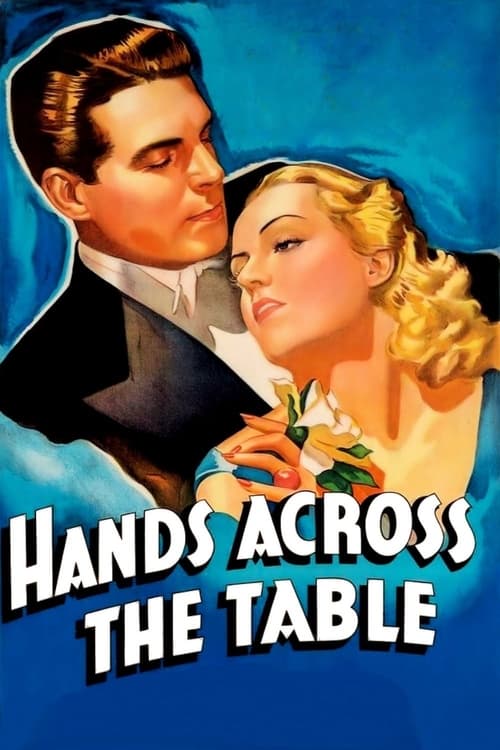
Hands Across the Table
1935
No user ratings available yet
Representation score: 0.4 out of 10

Representation Score
Minimal
1942
ApprovedDirector
Mitchell Leisen
Runtime
92 minutes
Average Rating
No ratings yetNew Showbiz Analysis
The film is a standard romantic comedy that relies heavily on the social hierarchies of 1942. While it avoids many of the era's more passive female clichés, it remains culturally conservative. The protagonist's strength lies in her independence and tactical decision-making. However, this control is ultimately channeled into reinforcing traditional institutions like marriage and the nuclear family. Overall, the production lacks demographic breadth, focusing on a narrow, homogeneous social circle that reflects the studio-era norms of the time.
Category Breakdown
The film follows a traditional marriage between a man and a woman, with no queer themes or non-cisgender identities present.
Elizabeth Madden plays a bold, eccentric performer who drives the plot by negotiating a marriage contract. However, the story eventually settles into traditional romantic dynamics.
The narrative focuses on a homogeneous cast with no mention of diverse casting or non-Anglo-Saxon characters.
The story celebrates conventional middle-to-upper-class structures and Western values. The protagonist seeks marriage primarily to ensure the social legitimacy of her adoption.
There is no evidence of characters navigating physical, sensory, or neurodivergent conditions.
Present on Screen
Limited or Absent
Official Synopsis
Bold, eccentric Broadway performer Elizabeth Madden befuddles her handlers by coming home with a baby she picked up on the street. She wants to keep the baby but has to find a husband to make adoption viable. She offers her new obstetrician Dr. McBain help with his research on rabbits in exchange for marriage - and he accepts. The marriage of convenience turns into a marriage of real love until Dr. McBain's ex-wife comes looking for money.
1935
1940
1942

1946
1937

1942
1937
1940
No reviews yet. Be the first to share your thoughts on this movie!
Use the rating form above to leave a star rating and optional review.