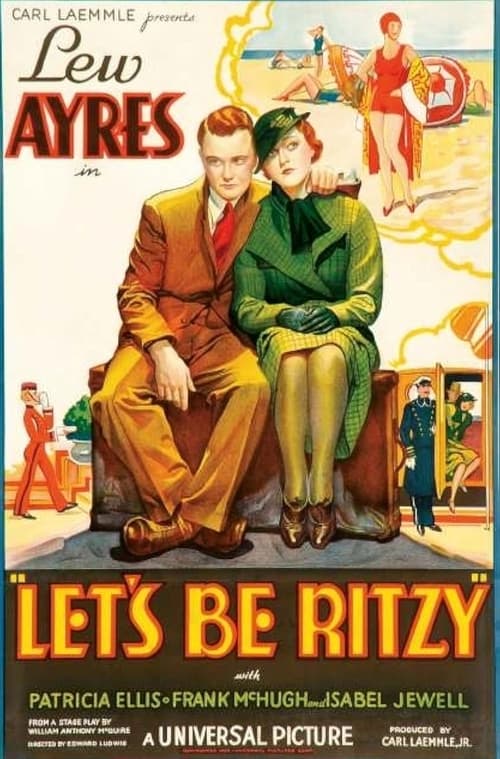
Let’s Be Ritzy
1934
No user ratings available yet
Diversity score: 2.9 out of 10
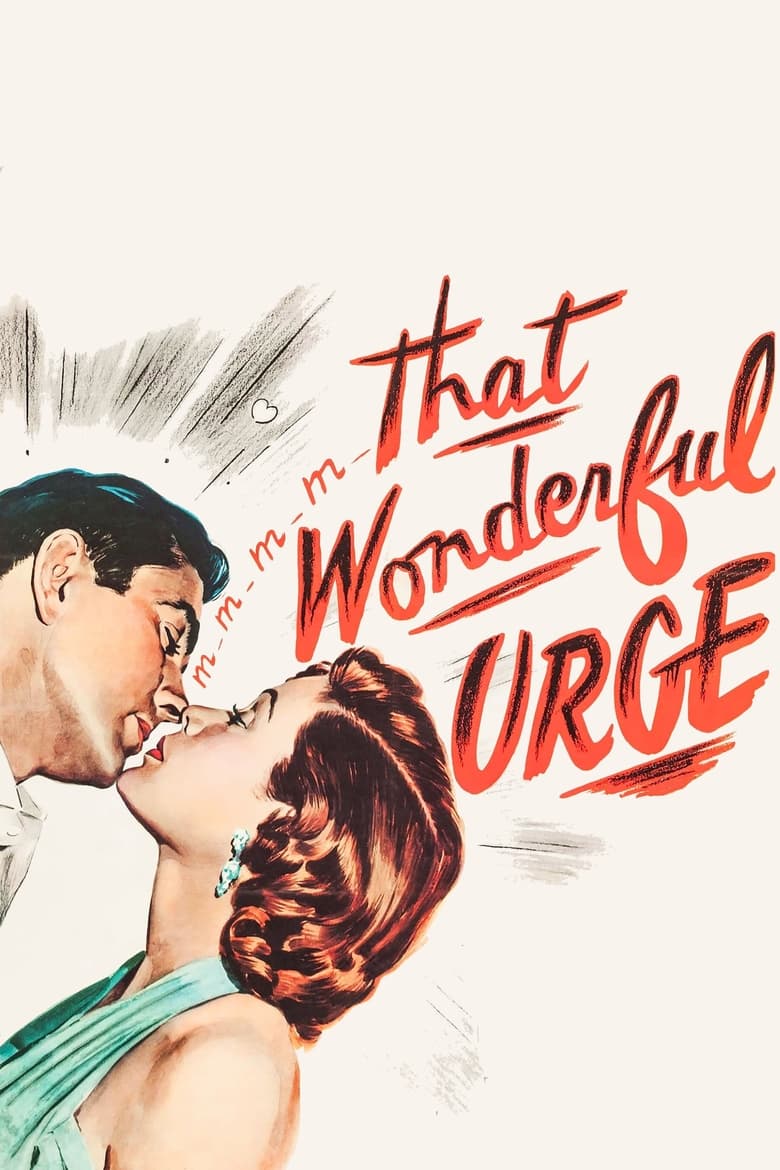
1948
NRDirector
Robert B. Sinclair
Runtime
82 minutes
Average Rating
No ratings yetSynopsis
When an heiress finds out that the friendly young man she's met at Sun Valley is really an investigative reporter, she ruins his career by falsely claiming they're married.
Overall Score
Limited
Category Breakdown
LGBTQ+ Representation
The film operates within the strict heteronormative constraints of 1948 cinema. There is no evidence of non-cisnormative identities or narratives that critique traditional sexual orientations.
Gender Representation
The female lead exercises social power through a false marriage claim, yet this agency serves personal vendettas rather than subverting gender hierarchies. The conflict remains rooted in traditional romantic tropes.
Racial & Ethnic Diversity
The production likely adheres to the homogeneous casting norms typical of the late 1940s. There is no indication of significant racial or ethnic intersectionality in the narrative.
Religious & Cultural Diversity
The story focuses on individualistic social maneuvering and professional reputation. It lacks any deconstruction of Western institutions, focusing instead on maintaining established societal frameworks.
Disability Representation
The synopsis provides no evidence regarding the inclusion of characters with visible or invisible disabilities.
Strengths
Areas for Improvement
AI Analysis
That Wonderful Urge is a conventional mid-century romantic comedy that relies heavily on established social hierarchies. The plot centers on a conflict between an heiress and an investigative reporter, prioritizing individualistic romantic pursuits over systemic critique. The film lacks intersectional depth, appearing to follow the standard production patterns of its era. It focuses on the preservation of social standing and professional reputation rather than challenging cultural norms. Ultimately, the narrative architecture is built on traditional tropes that offer minimal disruption to the status quo of 1948 cinema.
1934
1934
1930
1937
1944
1941
1930

1942
1941

1941
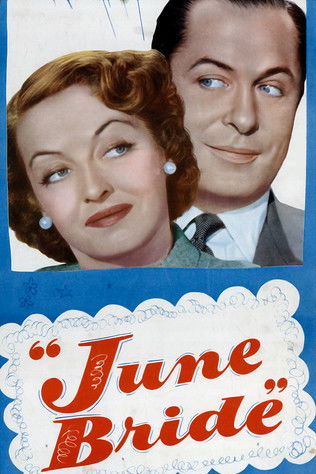
1948
1942
No reviews yet. Be the first to share your thoughts on this movie!
Use the rating form above to leave a star rating and optional review.