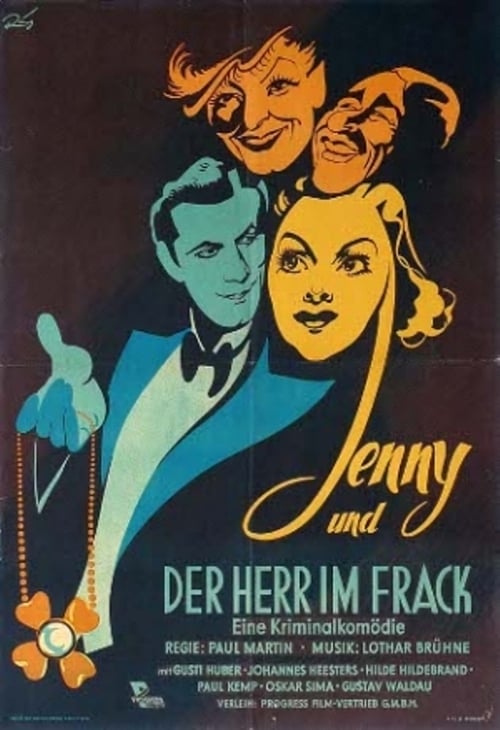
Jenny und der Herr im Frack
1941
No user ratings available yet
Diversity score: 1.4 out of 10

1948
NRDirector
Bretaigne Windust
Runtime
96 minutes
Average Rating
No ratings yetSynopsis
A magazine's staff, including bickering ex-lovers Linda and Carey, cover an Indiana wedding, which goes slightly wrong.
Overall Score
Limited
Category Breakdown
LGBTQ+ Representation
The film adheres strictly to the heteronormative standards of the late 1940s. There is no presence of non-cisnormative gender identities or same-sex intimacy.
Gender Representation
While the female lead displays spiritedness typical of screwball comedies, the story reinforces traditional domestic expectations. The plot ultimately guides characters toward conventional marital stability.
Racial & Ethnic Diversity
The cast is homogeneous, reflecting standard studio casting patterns of 1948. The film lacks racial or ethnic plurality, presenting a standard mid-century American social environment.
Religious & Cultural Diversity
The narrative functions as a celebration of mid-century Western social institutions. It promotes traditional values regarding marriage and community cohesion without deconstructing the nuclear family.
Disability Representation
Characters are depicted as able-bodied members of a middle-class community. There is no narrative focus on neurodivergence or physical disability.
Strengths
Areas for Improvement
AI Analysis
June Bride is a quintessential product of the post-war Hollywood studio system. Its narrative architecture is designed to reinforce prevailing social and cultural norms rather than disrupt them. The film focuses on a streamlined, traditional romantic arc that prioritizes established social hierarchies. By centering the plot on courtship and domesticity, the film avoids engaging with intersectional identities. It presents a world that is culturally and racially homogeneous, mirroring the era's standard studio practices.
1941

1941
1941

1950
1934
1948

1942

1941
1961

1972

2020
1935
No reviews yet. Be the first to share your thoughts on this movie!
Use the rating form above to leave a star rating and optional review.