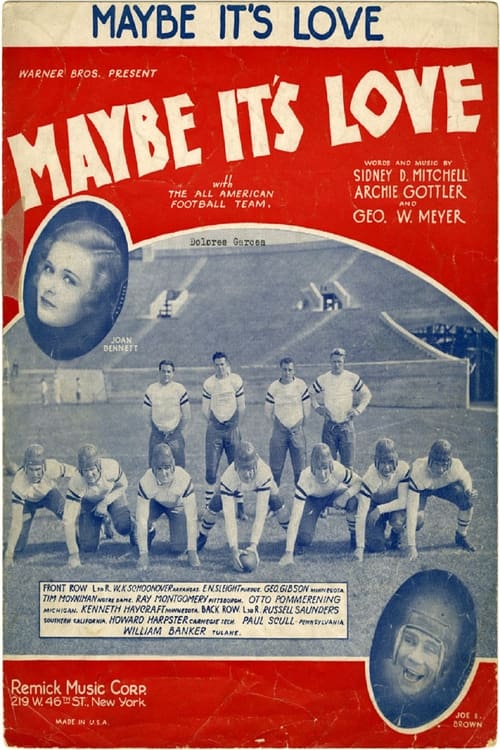
Maybe It's Love
1930
No user ratings available yet
Representation score: 2.1 out of 10
Representation Score
Minimal
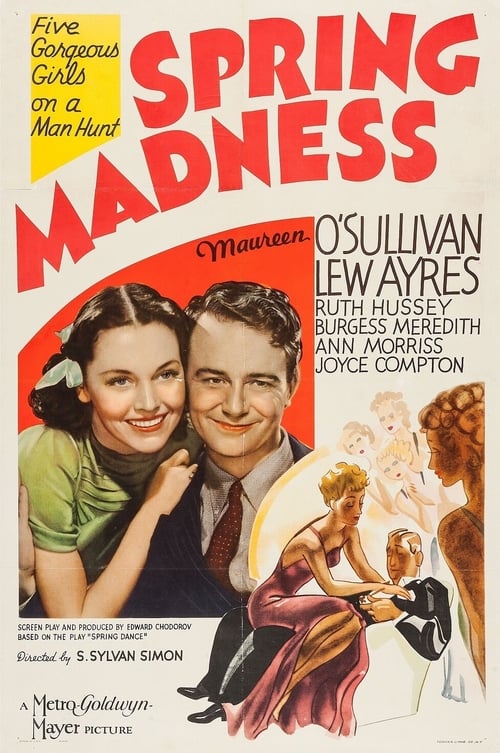
1938
NRDirector
S. Sylvan Simon
Runtime
67 minutes
Average Rating
No ratings yetNew Showbiz Analysis
Spring Madness is a product of the 1930s Hollywood studio system, adhering to the polished, conventional standards of the time. The narrative follows a predictable path of college romance and interpersonal secrets, emphasizing escapism over social commentary. The film centers on a homogeneous demographic, focusing on the experiences of white, upper-class students at Harvard. This narrow scope limits the story to a specific, privileged group. Ultimately, the film lacks meaningful representation of diverse identities.
Category Breakdown
The film does not include any characters with LGBTQ+ identities. The main plot revolves around a traditional romantic relationship between Sam and Alexandra.
Gender roles are typical for the era. The male protagonist drives the plot through his personal decisions, while the female character primarily receives information from him.
The film depicts a predominantly white, upper-class college environment. There are no indications of a racially diverse cast.
The themes revolve around individualistic romantic pursuits and college life. Russia is mentioned as a travel destination but not explored culturally.
There is no information about the portrayal of physical or neurodivergent characters in this film.
Present on Screen
Limited or Absent
Official Synopsis
Harvard senior Sam Thatcher and his best friend and roommate, known as "The Lippencott", plan to go to Russia after graduation, a decision Sam has kept from his girlfriend, Alexandra Benson.
1930
1932

1941

1938

1942
1927

1935
1925
No reviews yet. Be the first to share your thoughts on this movie!
Use the rating form above to leave a star rating and optional review.