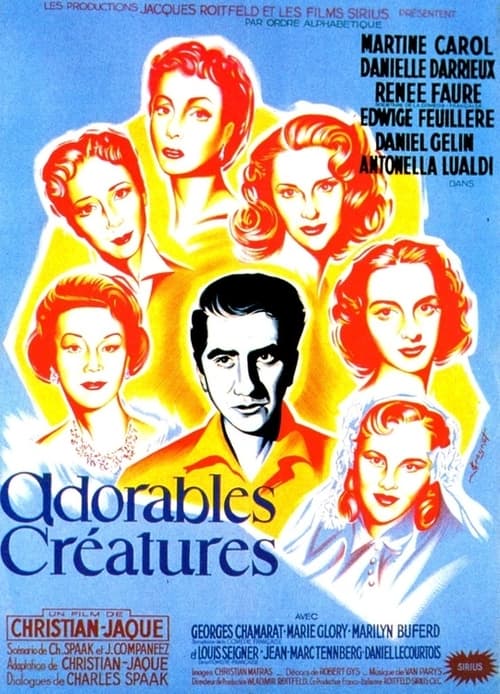
Adorable Creatures
1952
No user ratings available yet
Diversity score: 1.4 out of 10
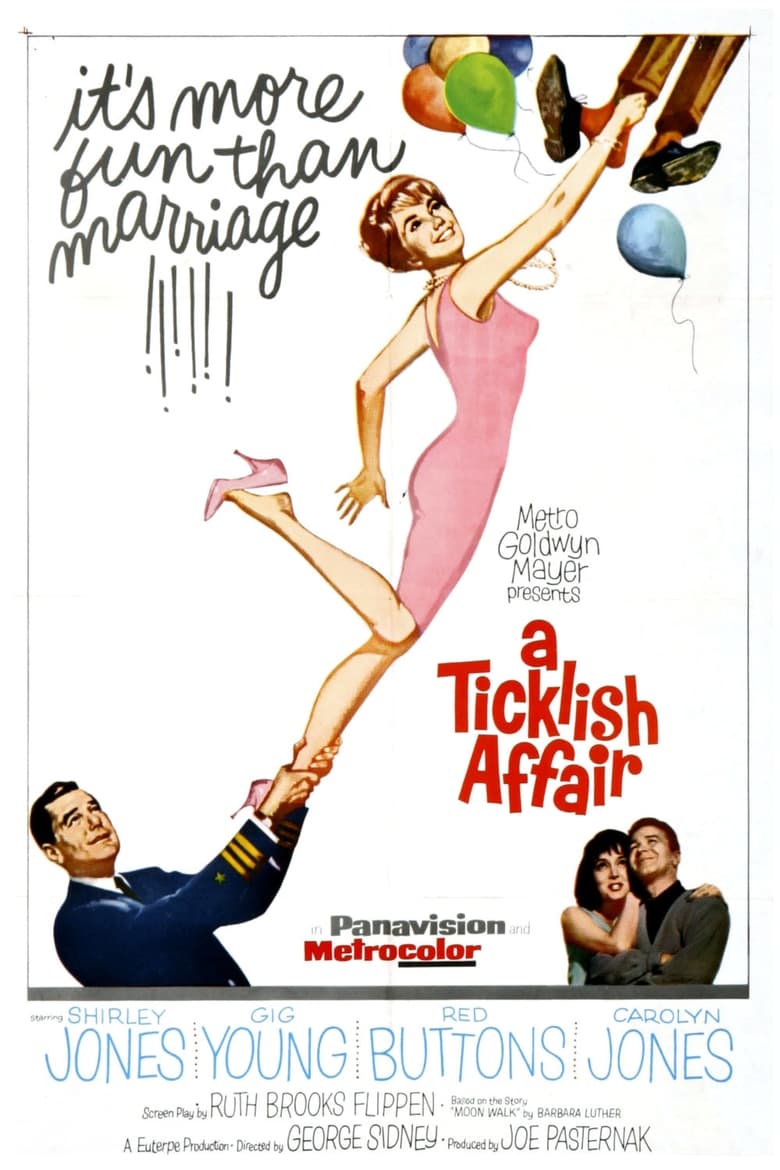
1963
NRDirector
George Sidney
Runtime
88 minutes
Average Rating
No ratings yetSynopsis
A young widow Amy Martin with three young boys is investigated by the Navy after one of her children inadvertently sends out a distress signal in Morse code by the blinds on his upstairs bedroom window. Commander Weedon and crew observe the signal from their ship and investigates. He falls for the young mother and proposes marriage. However, she is reluctant to have her family live out of a suitcase and initially declines. Gramps tries to bring her on board to sail the sea of love with the commander.
Overall Score
Minimal
Category Breakdown
LGBTQ+ Representation
The film lacks LGBTQ+ characters or non-heteronormative identities. The romantic arc focuses exclusively on a traditional heterosexual courtship between the protagonist and the Commander.
Gender Representation
Amy Martin shows initial agency by declining a proposal to protect her children's stability. However, the plot ultimately reinforces traditional gender roles through a conventional marriage resolution.
Racial & Ethnic Diversity
The cast reflects the demographic homogeneity of 1960s Hollywood. There is an absence of non-white or non-Anglo-Saxon characters in primary or supporting roles.
Religious & Cultural Diversity
The narrative celebrates Western institutional values, specifically the nuclear family and military authority. It reinforces social decorum and maritime traditions rather than challenging them.
Disability Representation
There are no visible or invisible disabilities portrayed. Characters are presented through a lens of standard physical and neurotypical functionality.
Strengths
Areas for Improvement
AI Analysis
A Ticklish Affair is a quintessential mid-century romantic comedy that prioritizes established social hierarchies and conventional courtship rituals. The film functions as a reflection of early 1960s norms, offering little disruption to the prevailing status quo. The production maintains a monolithic social environment, lacking racial, ethnic, or LGBTQ+ diversity. While the female lead exercises some decision-making power regarding her family's stability, the narrative trajectory ultimately steers toward traditional domestic union. Overall, the film serves to reinforce rather than challenge the cultural and demographic standards of its era, focusing on Western institutional stability and traditional family structures.
1952
1951
1941
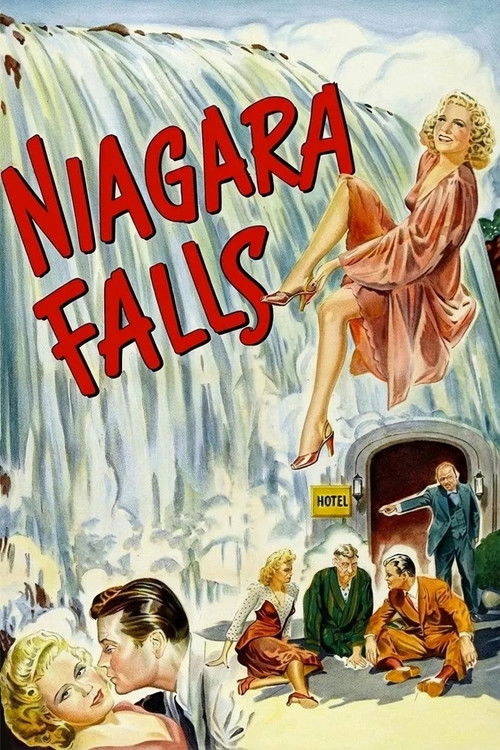
1941

1947
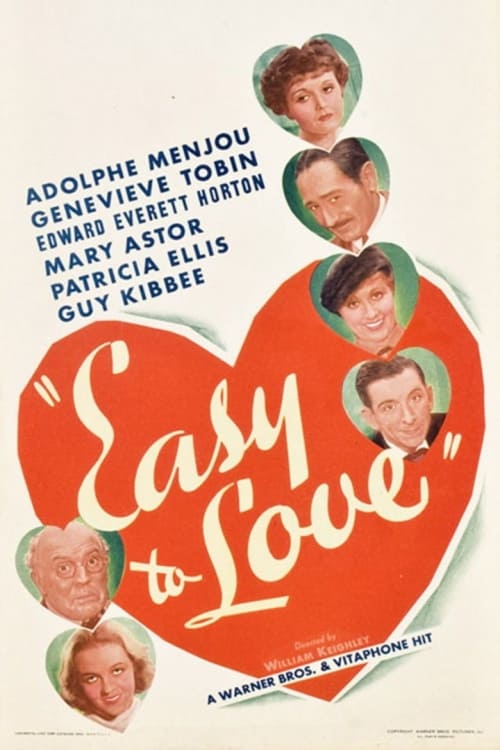
1934
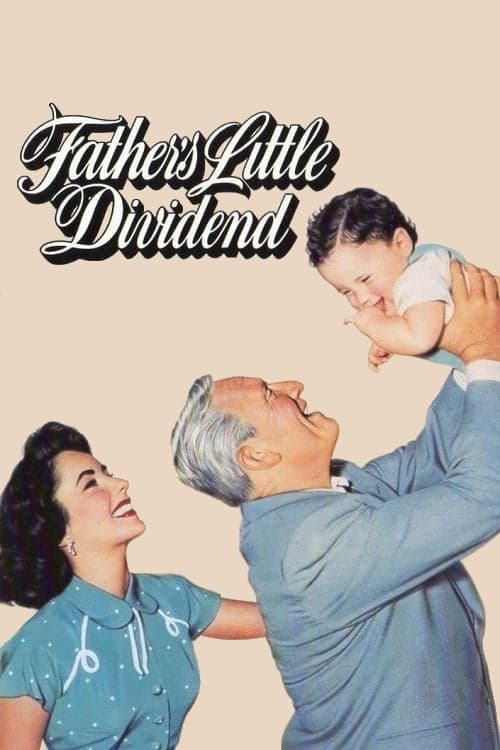
1951
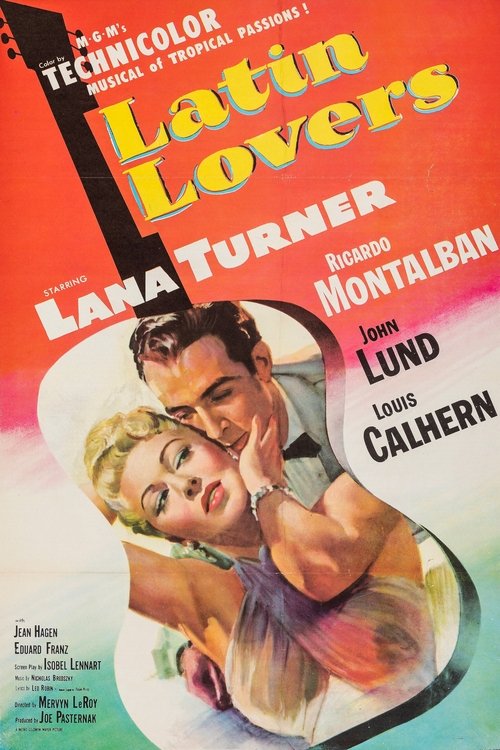
1953

1942

1969

1959
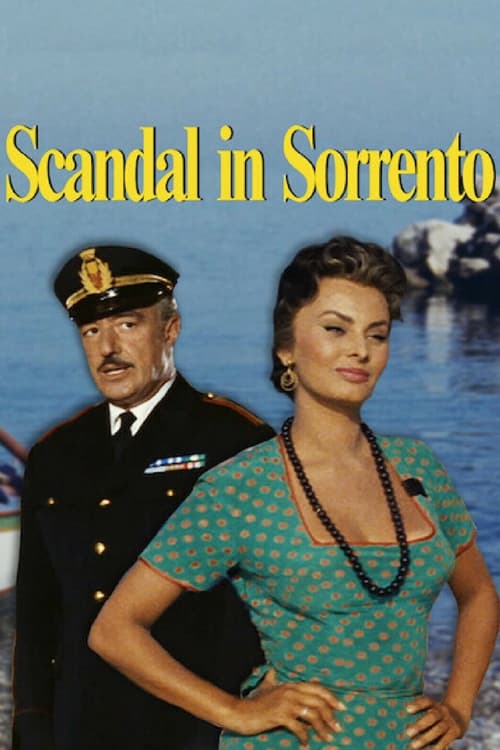
1955
No reviews yet. Be the first to share your thoughts on this movie!
Use the rating form above to leave a star rating and optional review.