Paid to Love
1927
No user ratings available yet
Representation score: 2.1 out of 10
Representation Score
Minimal
1937
ApprovedDirector
Bobby Connolly
Runtime
62 minutes
Average Rating
No ratings yetNew Showbiz Analysis
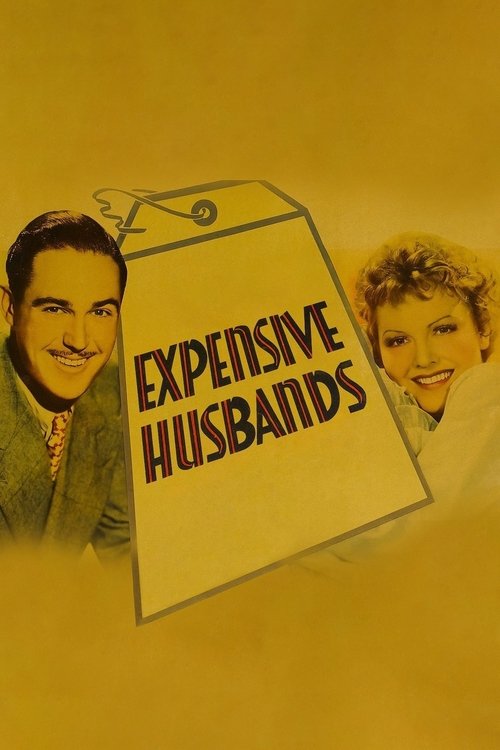
Expensive Husbands is a quintessential 1930s romantic comedy that adheres to the standard Hollywood studio system clichés. The narrative relies on the 'marriage of convenience' framework, using a class-based premise to drive a traditional romantic arc. The film reinforces established social hierarchies rather than challenging them. While it utilizes a European setting, the story remains focused on individual romantic success and conventional gender roles typical of the era. Ultimately, the film functions as a genre piece designed for escapism, lacking the complexity or subversive elements required for a higher diversity rating.
Category Breakdown
The film follows a strictly heterosexual romantic structure, focusing entirely on the relationship between Laurine Lynne and Prince Rupert.
The female protagonist's role in the story is tied to her professional life and marital status. Her resolution depends on a romantic union with a male figure.
The production reflects the homogeneous casting norms of 1937. Despite the Viennese setting, the characters appear to follow conventional Western casting patterns.
Vienna serves as a backdrop for romantic escapism. The story prioritizes individual romantic fulfillment and class mobility through marriage over broader social critiques.
There is no mention of characters with visible or invisible disabilities within the narrative.
Present on Screen
Limited or Absent
Official Synopsis
Unable to get work in her home country, Laurine Lynne (Beverly Roberts) travels to Vienna where her press agent, Joe Craig (Allyn Joslyn), convinces her to marry royalty. The lucky fellow is Prince Rupert (Patric Knowles), an impoverished nobleman now working as a waiter. Do the two of them fall in love despite this marriage of convenience?
1927

1946

1937
1938

1942
1938
1935
1942
No reviews yet. Be the first to share your thoughts on this movie!
Use the rating form above to leave a star rating and optional review.