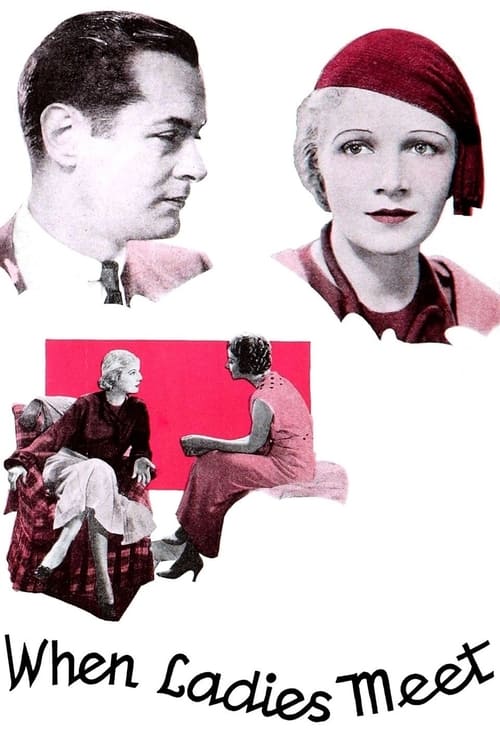
When Ladies Meet
1933
No user ratings available yet
Representation score: 1.2 out of 10

Representation Score
Minimal
1941
NRDirector
Robert Z. Leonard
Runtime
105 minutes
Average Rating
No ratings yetNew Showbiz Analysis
When Ladies Meet is a classic product of the MGM studio system, reflecting the dominant cultural norms of 1941. The film prioritizes polished production and traditional narrative structures over any challenge to social hierarchies. The story centers on upper-class romantic entanglements, reinforcing traditional gender roles and maintaining a homogeneous social environment with limited racial or cultural diversity. Ultimately, the film upholds the status quo of its era without challenging it.
Category Breakdown
The film focuses on heterosexual relationships and misunderstandings, with no representation of same-sex intimacy or non-cisgender identities.
The female lead has professional independence as a writer but her story revolves around romance. Male characters have traditional roles centered on stability and authority.
The setting reflects a homogeneous demographic typical of 1940s Hollywood, with no non-Anglo-Saxon characters and a focus on an elite, culturally uniform social circle.
The narrative emphasizes Western social structures and high-society decorum, prioritizing social propriety and the preservation of status within a privileged class.
Characters are depicted as idealized, able-bodied social types, with no visible or invisible disabilities shown in the story.
Present on Screen
Limited or Absent
Official Synopsis
Mary, a writer working on a novel about a love triangle, is attracted to her publisher. Her suitor Jimmy is determined to break them up; he introduces Mary to the publisher's wife without telling Mary who she is.
1933
1935

1942
1941
1950
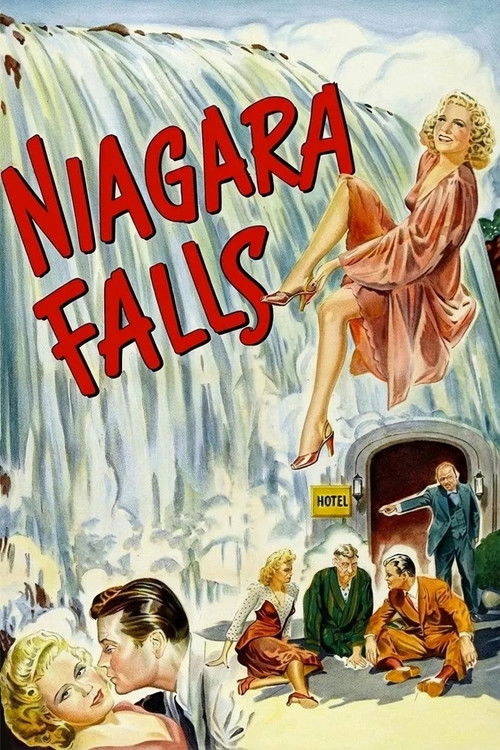
1941
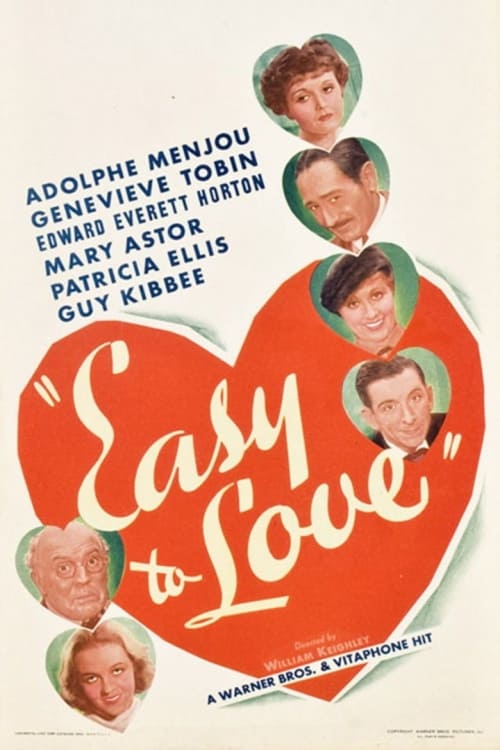
1934
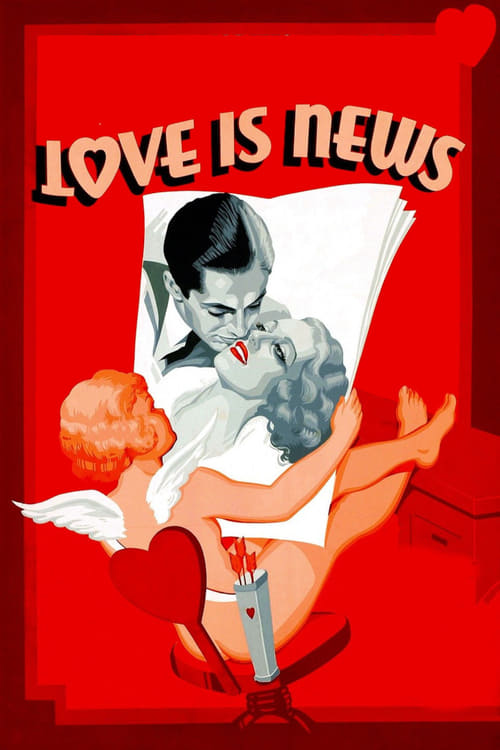
1937
No reviews yet. Be the first to share your thoughts on this movie!
Use the rating form above to leave a star rating and optional review.