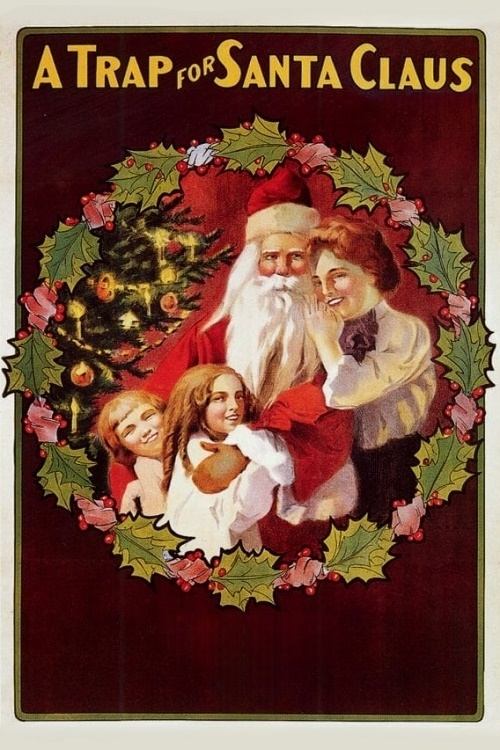
A Trap for Santa Claus
1909
No user ratings available yet
Diversity score: 2.1 out of 10
1900
Director
George Albert Smith
Runtime
1 minutes
Average Rating
No ratings yetSynopsis
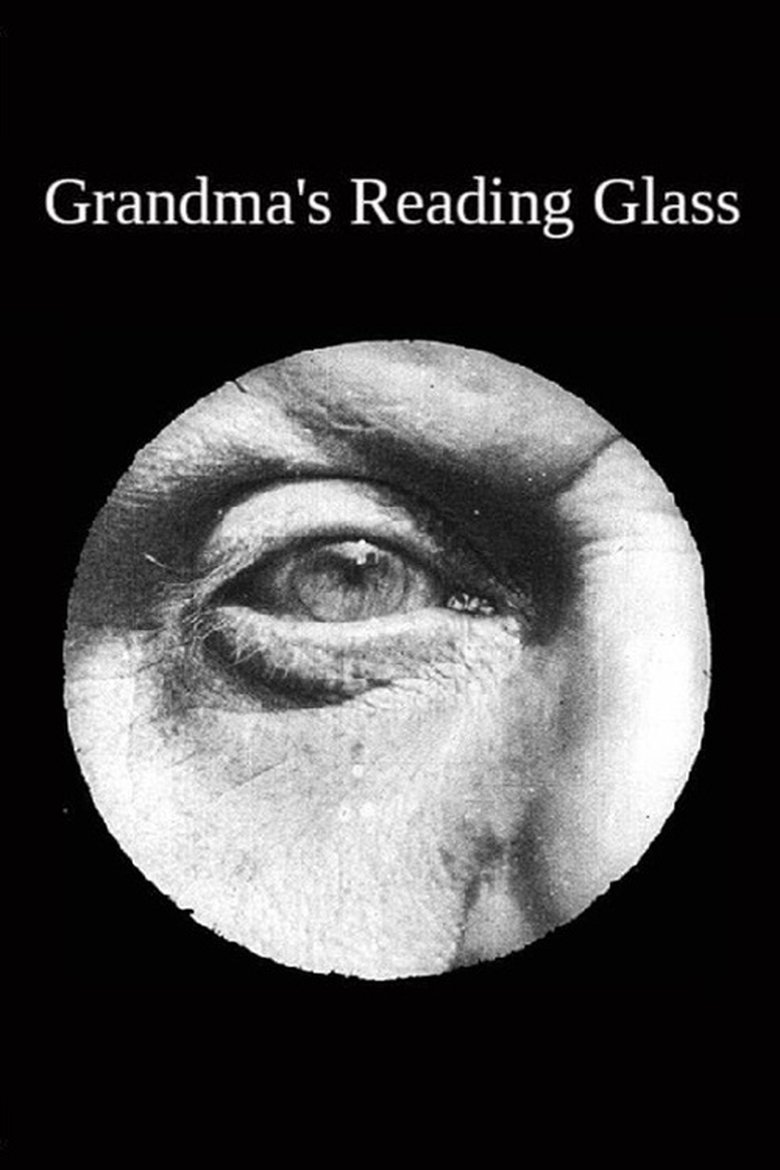
A child borrows his grandmother's magnifying glass to look at a newspaper ad for Bovril, at a watch, and then at a bird. The child shows grandma what he is doing. The child looks next at grandma's eye, then at a kitten.
Overall Score
Minimal
Category Breakdown
LGBTQ+ Representation
The film contains no discernible LGBTQ+ characters or romantic pairings. The narrative is strictly confined to a domestic interaction between a child and an elderly woman.
Gender Representation
A female protagonist appears in a traditional domestic setting. Her role aligns with early 20th-century matriarchal archetypes, reinforcing standard depictions of domesticity and familial roles.
Racial & Ethnic Diversity
The cast is homogeneous, reflecting the limited social scope of early short-form domestic dramas. There is no evidence of multiculturalism or race-bent casting.
Religious & Cultural Diversity
The narrative adheres to traditional Western domestic norms. It lacks engagement with secularism, religious critique, or any disruption of systemic power dynamics.
Disability Representation
There are no depictions of physical or neurodivergent disabilities. The use of a magnifying glass is a functional tool rather than a character-driven exploration of disability.
Strengths
Areas for Improvement
AI Analysis
George Albert Smith’s work is a landmark of cinematic technique, specifically for its pioneering use of the close-up to shift perspective. However, the film functions primarily as a study of visual mechanics rather than a vehicle for social commentary. The narrative is limited by the social constraints of its era, focusing on a singular, traditional domestic experience. It lacks the complexity required to engage with intersectional identities or disrupt established social hierarchies. Ultimately, the film presents a stable, conventional familial scene that avoids any engagement with broader social or systemic critiques.
1909
1905
1894
1909
1912
1896
1896
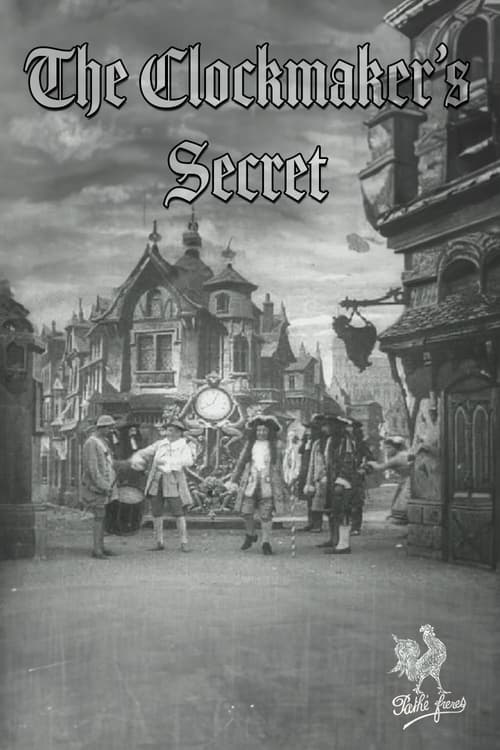
1907
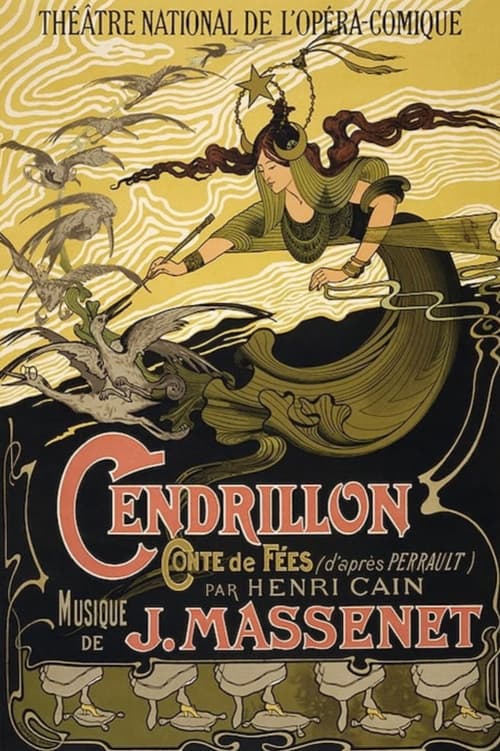
1899
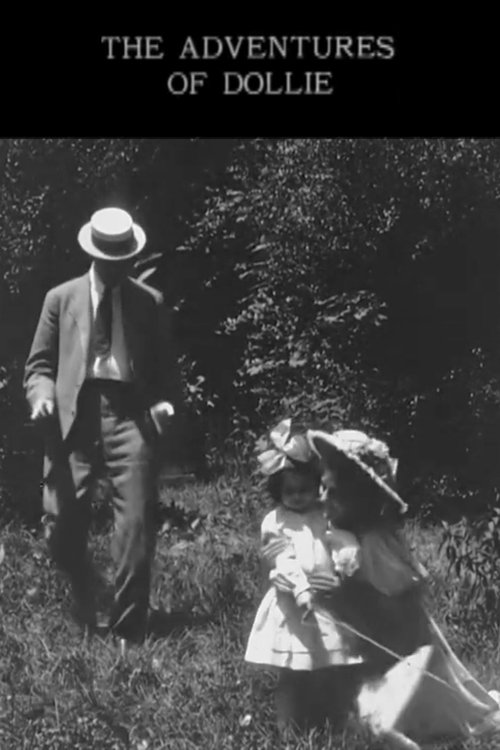
1908
1909
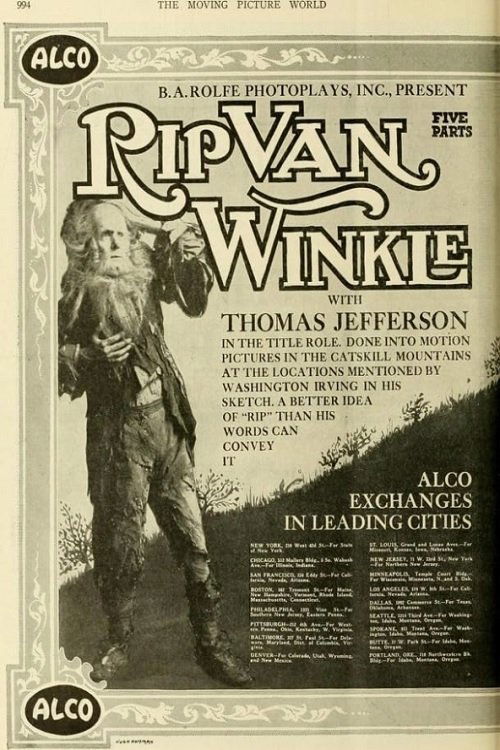
1896
No reviews yet. Be the first to share your thoughts on this movie!
Use the rating form above to leave a star rating and optional review.