The Physician of the Castle
1908
No user ratings available yet
Diversity score: 2.6 out of 10
1908
NRDirector
D.W. Griffith, Billy Bitzer
Runtime
12 minutes
Average Rating
No ratings yetSynopsis
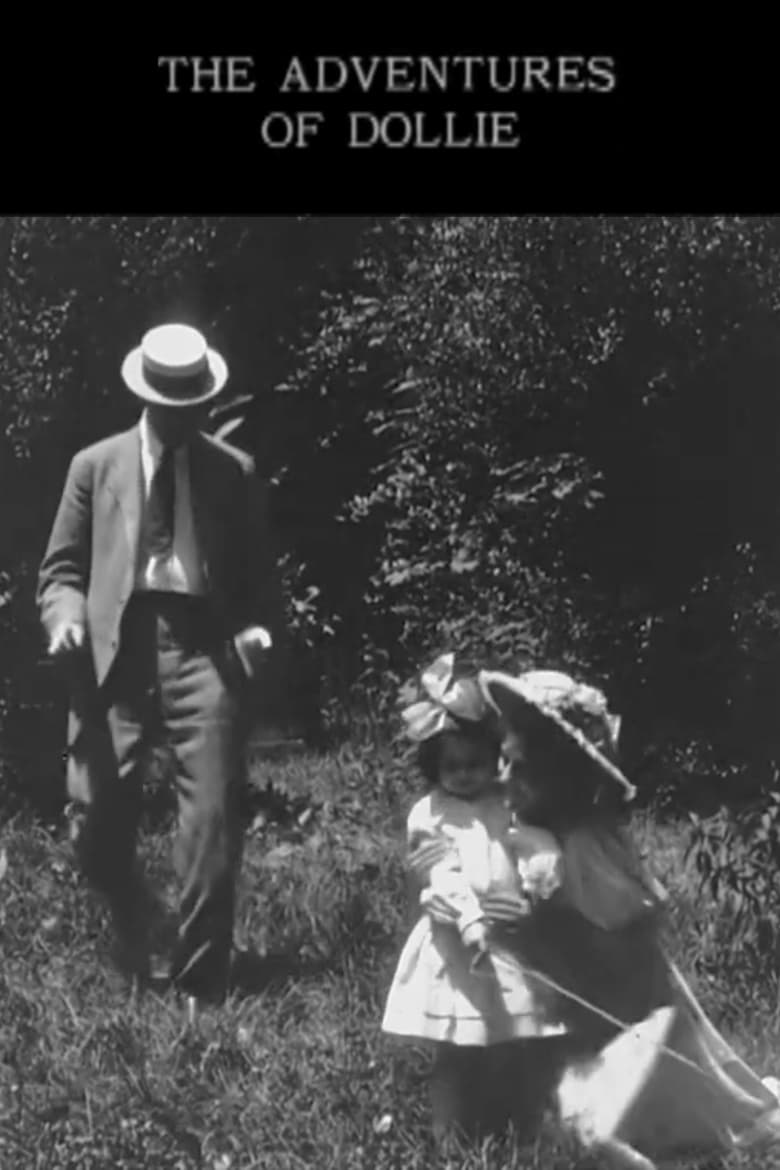
On a warm and sunny summer's day, a mother and father take their young daughter Dollie on a riverside outing.
Overall Score
Minimal
Category Breakdown
LGBTQ+ Representation
The film lacks any depiction of non-heteronormative identities. It operates within a strictly traditional framework of romantic and social expectations.
Gender Representation
The narrative reinforces conventional hierarchies through the 'damsel in distress' archetype. Dollie remains a passive subject of peril while male figures provide the agency for her rescue.
Racial & Ethnic Diversity
The production utilizes a homogeneous cast typical of the early studio system. There is no evidence of non-Anglo-Saxon characters or intersectional casting practices.
Religious & Cultural Diversity
The film adheres to early 1900s moralistic conventions. It reinforces Western institutional norms through a clear distinction between the villain and the hero.
Disability Representation
There are no documented instances of characters with visible or invisible disabilities. The cast represents able-bodied archetypes consistent with the melodrama.
Strengths
Areas for Improvement
AI Analysis
The Adventures of Dollie functions as a historical artifact that prioritizes traditional narrative archetypes over progressive representation. The film's architecture is built upon established social hierarchies, utilizing gender roles and moral binaries to reinforce the status quo of 1908. Its structure relies heavily on the 'damsel in distress' trope, where female vulnerability is contrasted against masculine protection. This lack of agency for the female protagonist is a central component of its narrow gender representation. Furthermore, the film lacks intersectional complexity. The cast is homogeneous, and the narrative follows a conservative moral order that avoids questioning systemic power dynamics or social norms.
No reviews yet. Be the first to share your thoughts on this movie!
Use the rating form above to leave a star rating and optional review.