Cinderella or The Glass Slipper
1912
No user ratings available yet
Representation score: 0.3 out of 10
Representation Score
Minimal
1899
Not RatedDirector
Georges Méliès
Runtime
6 minutes
Average Rating
No ratings yetNew Showbiz Analysis
Georges Méliès's early work marks a milestone in cinema, introducing visual effects and scene transitions. However, the narrative remains firmly rooted in the social and literary norms of the late 19th century. The film focuses on translating established theatrical conventions rather than challenging social hierarchies. It relies on conventional archetypes and a Eurocentric aesthetic that limits the inclusion of diverse identities. Ultimately, while the film is technically innovative, it reinforces traditional power dynamics and romantic structures typical of the era's folklore.
Category Breakdown
The film follows a traditional fairy-tale narrative and does not include any non-assuming gender matches what was assigned at birth gender identities or same-sex relationships.
The narrative depends on traditional gender roles, showing the protagonist as a passive recipient of magic. Power dynamics revolve around the transition from domestic service to romantic involvement.
The film features a stylized, theatrical setting reflecting a late 19th-century European aesthetic. The cast and setting are uniform, presenting a traditional Western environment.
The film preserves Western folklore, emphasizing a singular moral message. It upholds classicist values found in the source material without challenging traditional institutions.
There are no characters with visible or invisible disabilities in this production.
Present on Screen
Limited or Absent
Official Synopsis
A fairy godmother magically turns Cinderella's rags to a beautiful dress, and a pumpkin into a coach. Cinderella goes to the ball, where she meets the Prince - but will she remember to leave before the magic runs out? Méliès based the art direction on engravings by Gustave Doré. First known example of a fairy-tale adapted to film, and the first film to use dissolves to go from one scene to another.
1912
1926
1906
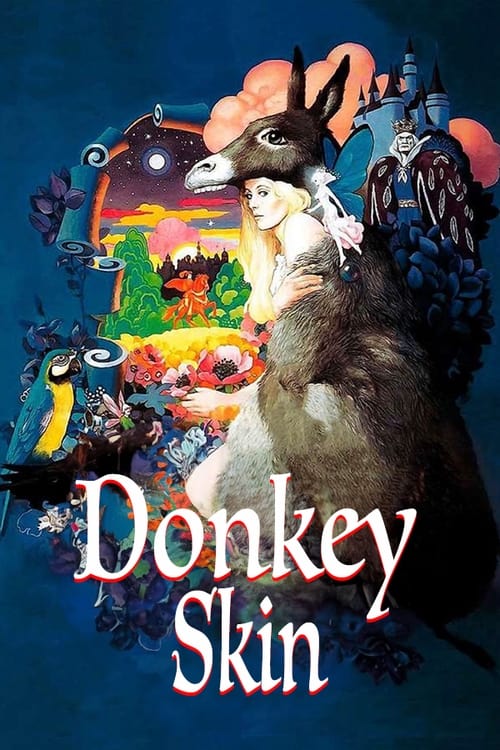
1970
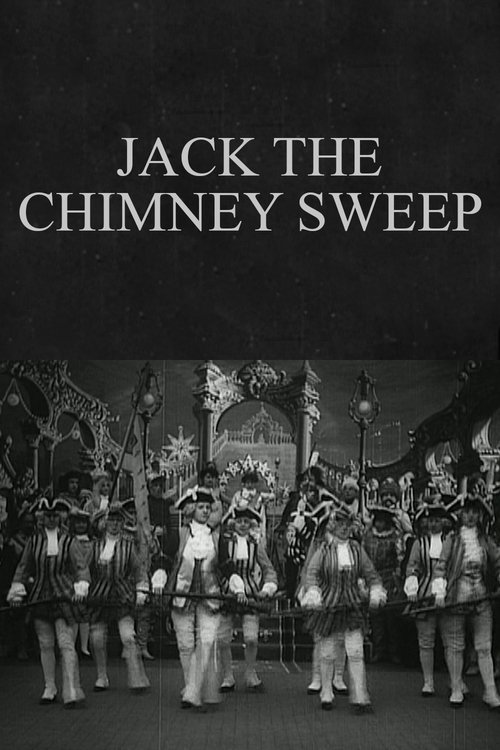
1906
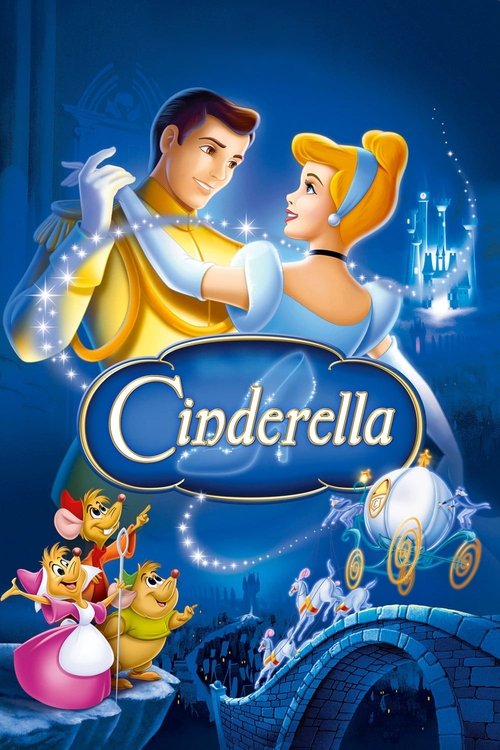
1950
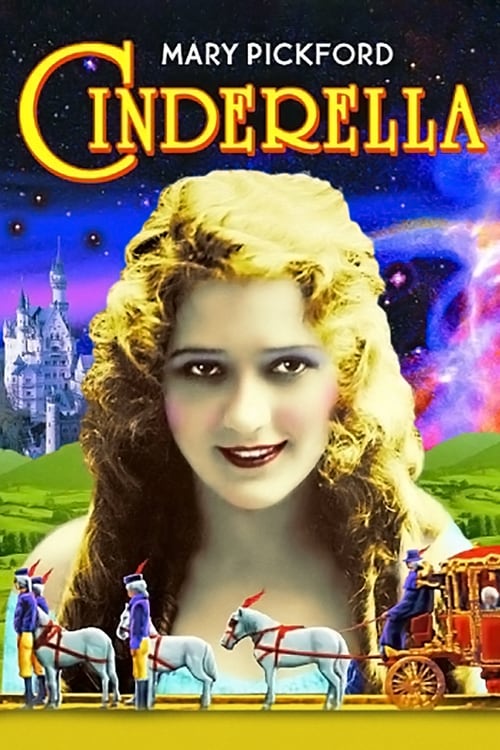
1914
1911
No reviews yet. Be the first to share your thoughts on this movie!
Use the rating form above to leave a star rating and optional review.