The Miser's Heart
1911
No user ratings available yet
Diversity score: 2.1 out of 10
1909
Not RatedDirector
D.W. Griffith
Runtime
16 minutes
Average Rating
No ratings yetSynopsis
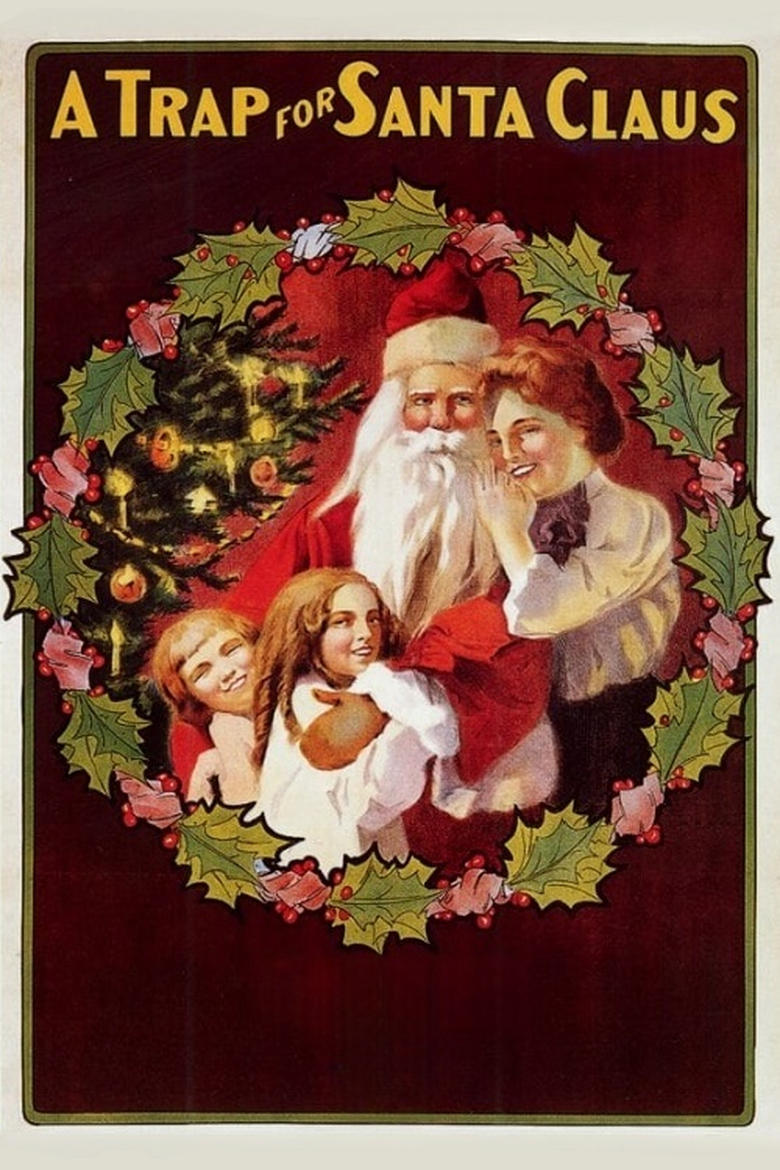
The children of a household attempt to capture Santa, but they catch something else entirely.
Overall Score
Limited
Category Breakdown
LGBTQ+ Representation
The film contains no depictions of queer narratives or non-cisnormative identities. It adheres strictly to the heteronormative social structures of the early 20th century.
Gender Representation
The story focuses on childhood mischief within a domestic setting. It lacks agency-driven female characters, instead following traditional, unexamined gender roles of the period.
Racial & Ethnic Diversity
The cast is homogeneous and reflects a strictly Anglo-centric framework. There is no evidence of racial blending or the inclusion of non-white characters.
Religious & Cultural Diversity
The narrative is rooted in Western seasonal traditions and middle-class domesticity. It celebrates conventional holiday rituals rather than deconstructing Western institutions.
Disability Representation
There are no visible or invisible disabilities portrayed. Characters function within a standard range of physical ability typical of childhood play.
Strengths
Areas for Improvement
AI Analysis
A Trap for Santa Claus serves as a period-specific artifact that reinforces traditional social and cultural hierarchies. The film relies on established Western tropes of domesticity and seasonal celebration common to 1909. Because the narrative lacks intersectional complexity or agency for marginalized groups, it functions as a traditionalist piece. It offers no critique of systemic power dynamics or cultural norms. The film's focus remains on a narrow, conventional view of family and tradition, providing little room for diverse perspectives.
1911
1909
1905

1912
1909

1912
1906
1915
1916
1919
1914
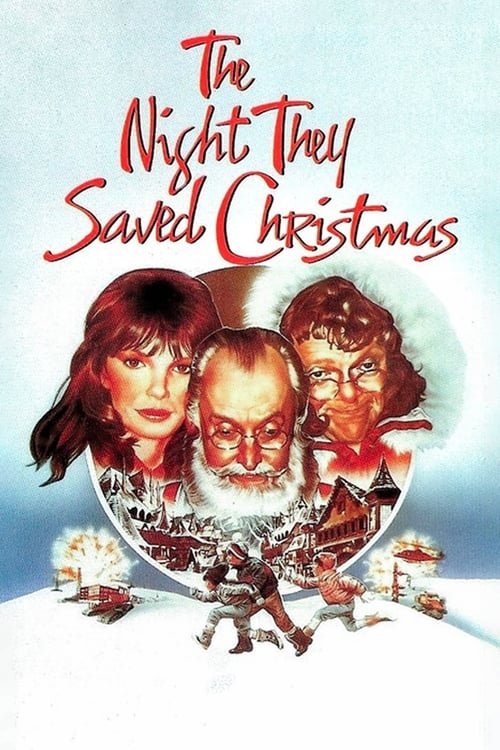
1984
No reviews yet. Be the first to share your thoughts on this movie!
Use the rating form above to leave a star rating and optional review.