The Haunted Curiosity Shop
1901
No user ratings available yet
Representation score: 0.5 out of 10
Representation Score
Minimal
1907
Director
Gaston Velle
Runtime
11 minutes
Average Rating
No ratings yetNew Showbiz Analysis
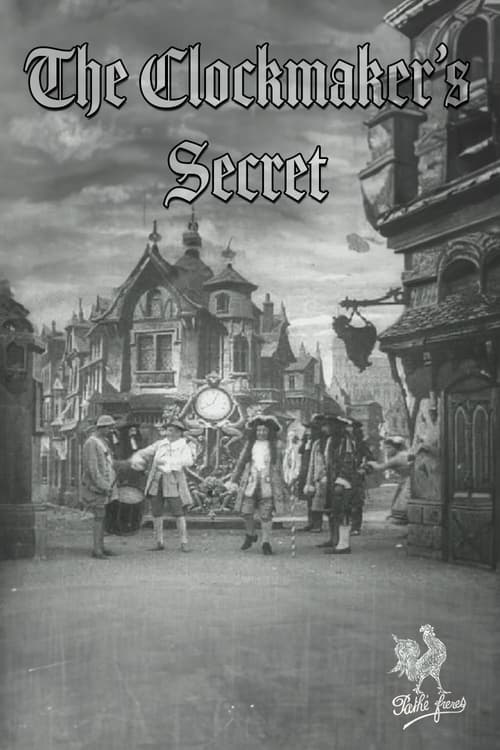
The Clock-Maker's Secret is a foundational piece of early cinema that emphasizes civic spectacle over identity-driven storytelling. The plot centers on the procedural announcement of a public tender for a municipal clock. Because the film focuses on traditional social hierarchies and local authority, it lacks the complexity needed for characters who reflect more than one aspect of diversity. The narrative is rooted in the homogeneous social structures of the early 20th century. Ultimately, the film provides a window into historical civic order rather than serving as a platform for diverse character's ability to drive the story or social subversion.
Category Breakdown
The film does not include any indication of non-straight relationships or same-sex intimacy. The story focuses solely on a public announcement.
Roles like the Lord Mayor and town-crier suggest a male-dominated structure. Female characters do not have prominent roles or challenge gender norms.
The story likely reflects the homogeneous society of 1907 France. There are no non-white actors or diverse ethnic representations in the film.
The film depicts traditional Western institutions, such as municipal government. It emphasizes the stability of local authority and civic duty without critiquing these structures.
There is no mention of characters with visible or invisible disabilities. The film does not use neurodivergence or disability as part of the narrative.
Present on Screen
Limited or Absent
Official Synopsis
The town-crier summons the inhabitants of the town and they read a manifesto which is posted on a wall announcing the fact that at 4 o'clock on that day the Lord Mayor will receive bids for the building of a town clock.
1901
1921
1903
1923

1896
1928
1904

1899
No reviews yet. Be the first to share your thoughts on this movie!
Use the rating form above to leave a star rating and optional review.