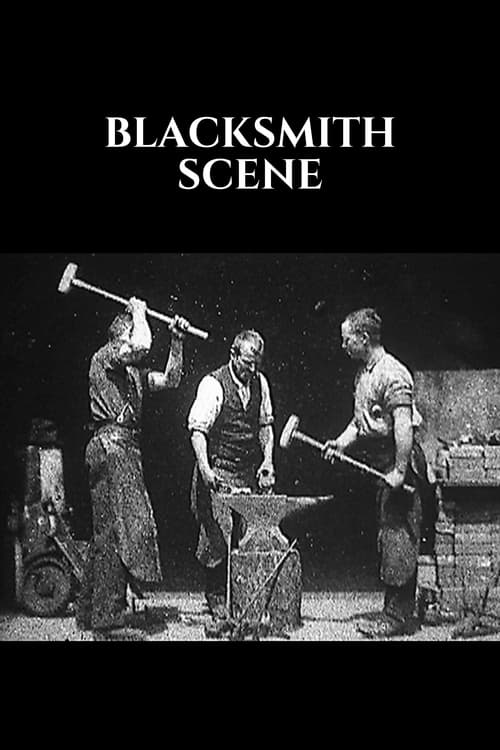
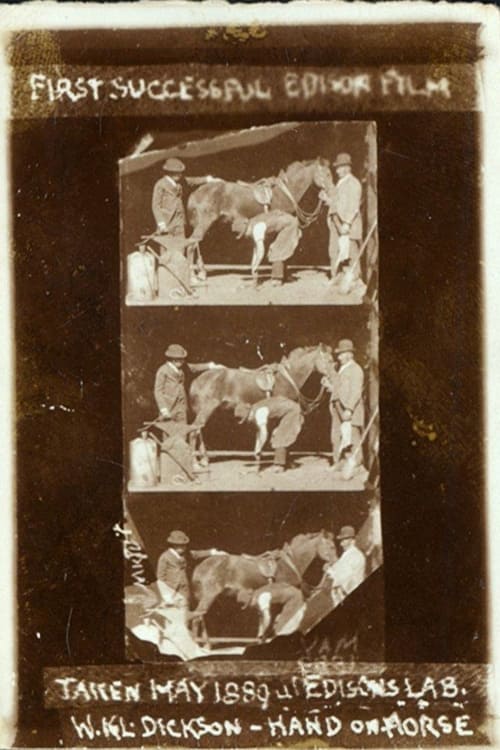
Blacksmithing Scene
1893
No user ratings available yet
Representation score: 0.5 out of 10
Representation Score
Minimal
1894
Director
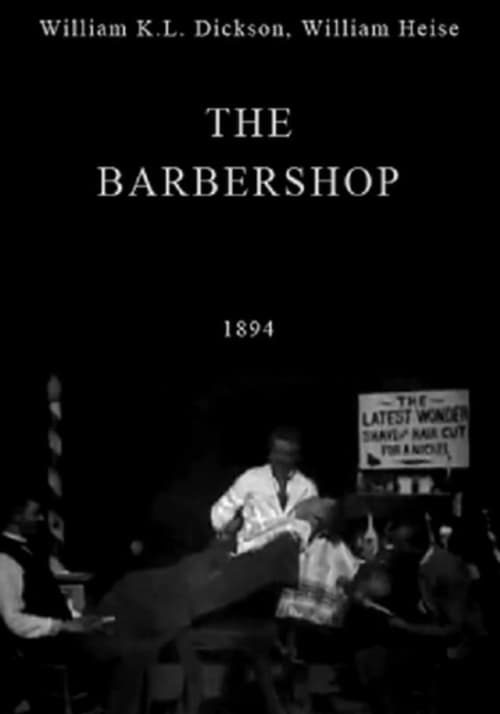
William K.L. Dickson, William Heise
Runtime
1 minutes
Average Rating
No ratings yetNew Showbiz Analysis
As a product of the 'cinema of attractions,' this film prioritizes the technical novelty of motion over complex narrative construction. It serves as a historical document of everyday life rather than a vehicle for social commentary. The content reflects the demographic homogeneity and social constraints of 1894. Since the goal was to capture movement, the film lacks the structural depth needed to address overlapping aspects of diversity or progressive values. Ultimately, the work provides a baseline of period-accurate representation that observes established social hierarchies without attempting to disrupt or critique them.
Category Breakdown
The film does not depict any queer identities or non-straight relationships. It adheres to a strictly traditional 19th-century social framework.
The setting is exclusively male-centric, reflecting the gender-segregated nature of barber shops during this time. There is no challenge to traditional masculine roles.
The cast appears to be a homogeneous group of white men, offering a historical snapshot without utilizing diverse casting or non-Anglo-Saxon representation.
The film captures the everyday social cohesion within Western institutions. It does not engage with secularist, anti-Western, or anti-capitalist themes.
There are no visible or invisible disabilities portrayed. The subjects appear to be able-bodied individuals engaged in routine social activities.
Present on Screen
Limited or Absent
Official Synopsis
“Interior of Barber Shop. Man comes in, takes off his coat; sits down, smokes; is handed a paper by attendant, who points out a joke; both laugh. Meantime the man in the chair is shaved and has his hair cut. Very funny.” (Edison's Latest Wonders, 1894)
1893
1902
1905
1910
1900
1896
1893
1908
No reviews yet. Be the first to share your thoughts on this movie!
Use the rating form above to leave a star rating and optional review.