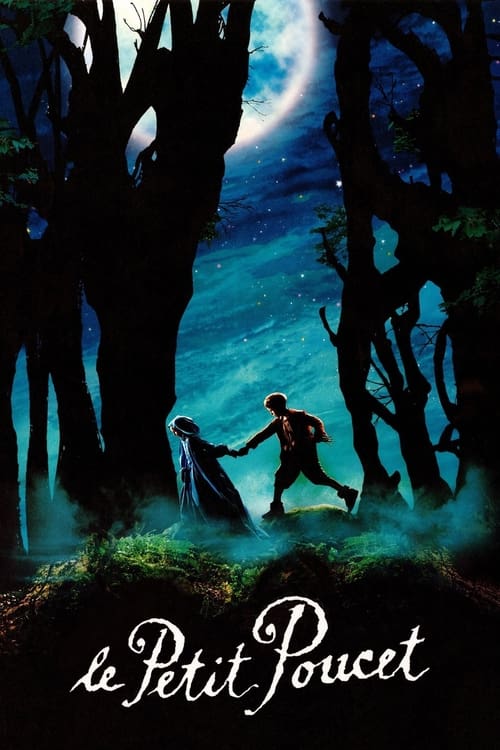
Tom Thumb
2001
No user ratings available yet
Representation score: 4.3 out of 10
No Poster Available
Representation Score
Limited
1909
Director
Segundo de Chomón
Runtime
11 minutes
Average Rating
No ratings yetNew Showbiz Analysis
Segundo de Chomón’s work is a technical milestone in early cinema, prioritizing visual illusions and scale manipulation over social depth. The narrative is driven by a singular male hero, leaving little room for diverse perspectives or complex character dynamics. The film reflects the era's limitations, presenting a homogeneous cast and traditional European folklore. While it touches on themes of poverty and family struggle, these are handled through conventional moral storytelling rather than nuanced social commentary. Ultimately, the film functions as a showcase for trick photography. Its focus on physical wonderment often reduces character differences, such as the protagonist's size, to mere cinematic effects rather than meaningful representation.
Category Breakdown
The film does not depict any non-straight relationships or identities. The story focuses solely on the protagonist's physical journey within a traditional folkloric framework.
The story centers on a single male protagonist. While it avoids actively harming women, there is no women's ability to drive the story or diverse gender expressions, reflecting early 20th-century archetypes.
The cast adheres to the homogeneous standards of early 1900s European cinema. There is no evidence of intentional racial blending or casting practices that reflect multiple aspects of diversity.
The film follows a traditional European fairy tale structure. It addresses socioeconomic hardship through a lens of classic moral struggle rather than systemic critique.
The protagonist's small stature is used as a tool for visual spectacle and trick photography. It does not explore the character's experience navigating the world with a disability.
Present on Screen
Limited or Absent
Official Synopsis
This adaptation of Charles Perrault's classic novel briefly presents the story of a poor family who doesn't find means to sustain their home and end up being evicted from it. When the youngest of the seven children overhears his parents conversation about this sad situation, he cries for a while. But barely everyone knew, that he was about to come up with a thoughtful idea that could restore their peace and bring back their home.
2001

1934
1907
1937
1972

2015
1904

2004
No reviews yet. Be the first to share your thoughts on this movie!
Use the rating form above to leave a star rating and optional review.