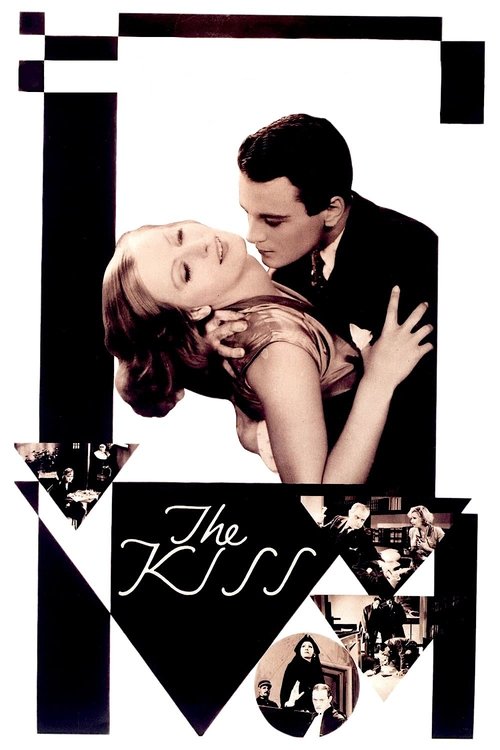
The Kiss
1929
No user ratings available yet
Diversity score: 2.2 out of 10

1896
Not RatedDirector
William Heise
Runtime
1 minutes
Average Rating
No ratings yetSynopsis
They get ready to kiss, begin to kiss, and kiss in a way that brings down the house every time.
Overall Score
Minimal
Category Breakdown
LGBTQ+ Representation
The film depicts a traditional romantic interaction between a man and a woman. It contains no non-cisnormative gender identities or narratives that critique heteronormativity.
Gender Representation
The narrative focuses on a conventional romantic exchange. It does not subvert traditional gender hierarchies or disrupt established social roles through its portrayal of masculinity or femininity.
Racial & Ethnic Diversity
Casting reflects the demographic norms of the late 19th century. There is no evidence of non-white majority casts or race-bent casting in this short.
Religious & Cultural Diversity
This vignette presents a localized, traditional depiction of romance. It lacks engagement with themes of secularism or critiques of Western, religious, or family structures.
Disability Representation
There are no visible or invisible disabilities portrayed. Characters with disabilities are not used as plot devices within this micro-short.
Strengths
Areas for Improvement
AI Analysis
As a foundational cinematic artifact from 1896, *The Kiss* serves as a historical baseline for conventional romantic depiction. It captures a singular, observational moment rather than an intentional narrative designed to challenge social hierarchies. The film adheres strictly to the social and romantic expectations of the late 19th century. Because it predates modern frameworks of intersectional storytelling, it lacks the structural elements necessary for progressive representation. Ultimately, the work functions as a technical documentation of life. It offers a traditional view of romance that aligns with the period's social mores without systemic critique.
1929
1928
1928
1925
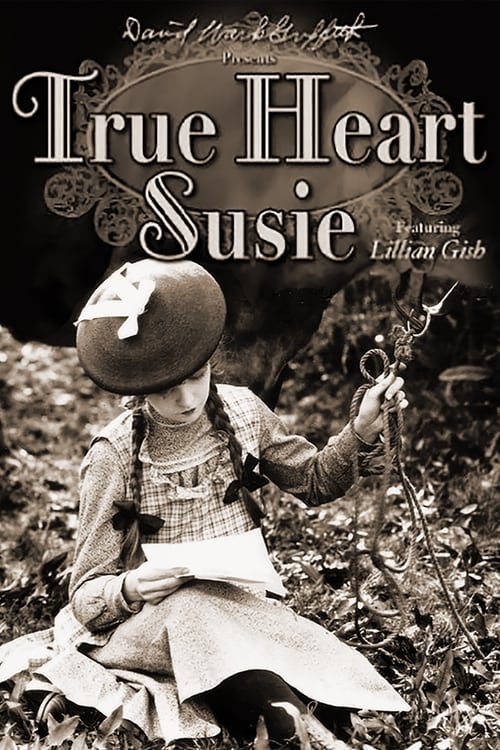
1919
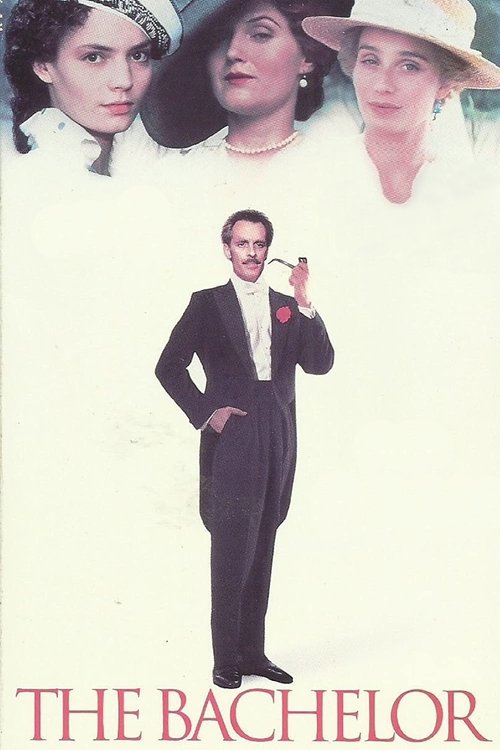
1990
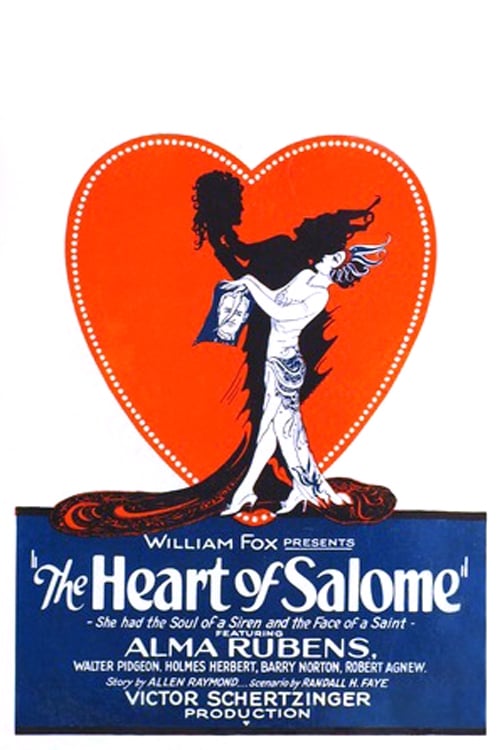
1927
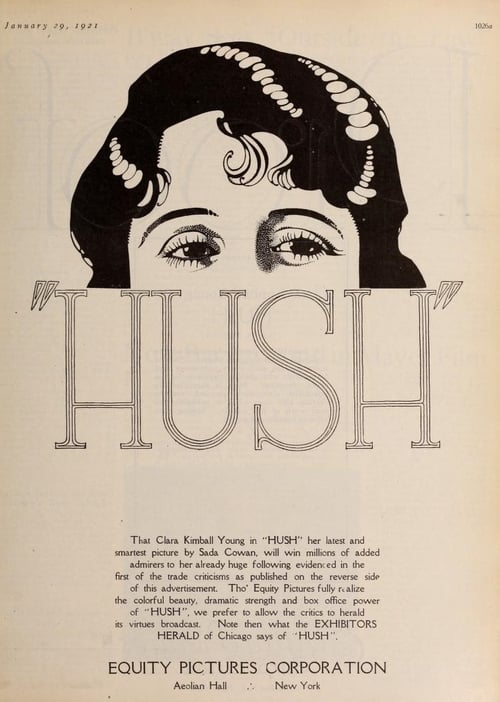
1921
1939
1921
2002
1926
No reviews yet. Be the first to share your thoughts on this movie!
Use the rating form above to leave a star rating and optional review.