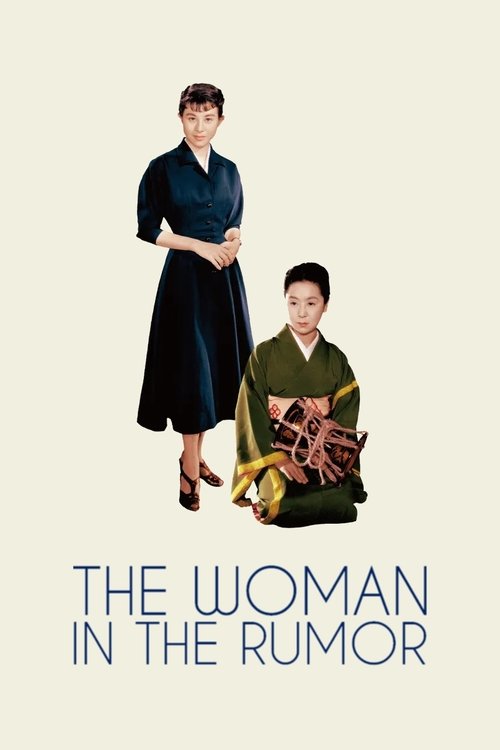
The Woman in the Rumor
1954
No user ratings available yet
Representation score: 6.1 out of 10
Representation Score
Good
1953
Not RatedDirector
Kenji Mizoguchi
Runtime
85 minutes
Average Rating
No ratings yetNew Showbiz Analysis
Mizoguchi’s drama succeeds by focusing on the internal lives and professional ambitions of women within a restrictive patriarchal framework. By highlighting Eiko and Miyoharu, the film transforms a historical period piece into a study of female strength and intellectual resilience. While the film lacks racial and LGBTQ+ diversity due to its specific historical setting, it avoids the pitfalls of the Western gaze. It provides a culturally authentic look at Japanese social hierarchies and the systemic exploitation inherent in the geisha tradition. Ultimately, the film serves as a critique of traditional institutions. It emphasizes the human cost of maintaining social orders, shifting the cinematic focus from dominant male figures to the women navigating them.
Category Breakdown
The film does not include any LGBTQ+ characters or explore non-straight relationships. The interpersonal dynamics focus on traditional professional expectations and client interactions within the geisha culture.
The story centers on the struggles of women for professional autonomy. Characters Eiko and Miyoharu play key roles, showing strength and resilience against exploitation.
Set in Meiji-era Japan, the cast is uniform, reflecting a single cultural background. However, the film offers a genuine, localized look at Japanese social hierarchies.
The film criticizes the commodification of individuals within rigid class structures. It portrays the geisha house as an oppressive system that forces sacrifice and loss of innocence.
There is no significant or central depiction of physical or neurodivergent disabilities. The narrative focuses on socioeconomic and gendered constraints.
Present on Screen
Limited or Absent
Official Synopsis
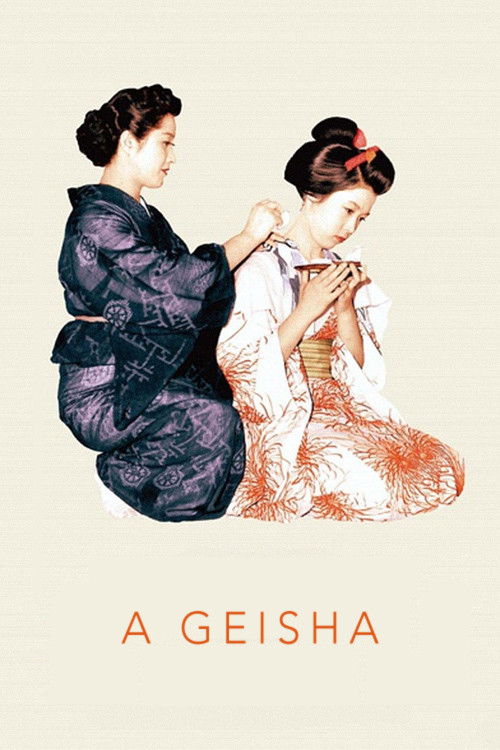
Fleeing a distressing family situation, Eiko, a very young girl, becomes an apprentice to Miyoharu, a veteran geisha. Both, determined to preserve their professional integrity, must face the selfishness and ambition of several petty people.
1954

1956
1956
1952
1936

1936
1946

1961
No reviews yet. Be the first to share your thoughts on this movie!
Use the rating form above to leave a star rating and optional review.