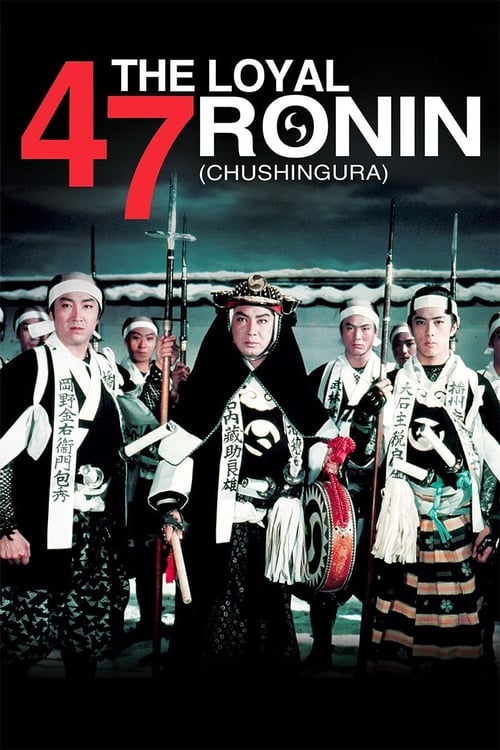
The Loyal 47 Ronin
1958
No user ratings available yet
Representation score: 1.4 out of 10
Representation Score
Minimal
1941
Director
Kenji Mizoguchi
Runtime
223 minutes
Average Rating
No ratings yetNew Showbiz Analysis
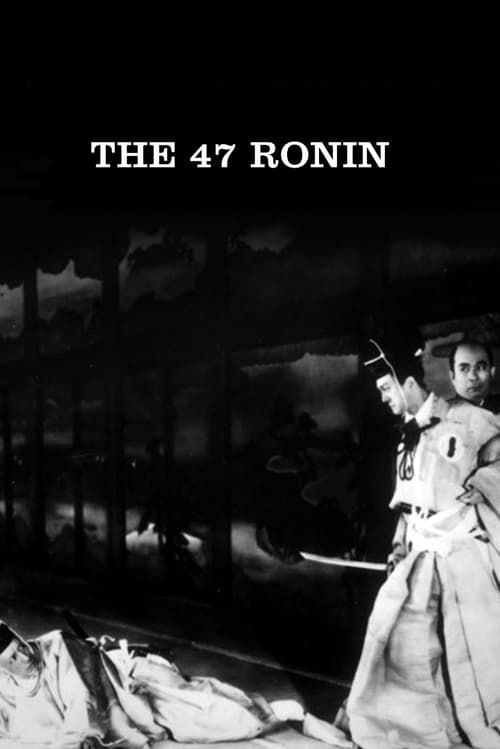
Mizoguchi’s historical drama is a formalist study of feudal ethics and the rigid social structures of the Edo period. The film emphasizes the preservation of traditional hierarchies, focusing on the conflict between individual emotion and societal duty. The narrative centers on a homogeneous, male-dominated world where martial and political status define a character’s influence. Ultimately, the film serves as a period-accurate exploration of institutional loyalty, without seeking to disrupt or critique the existing social order.
Category Breakdown
The film strictly adheres to the social structures of 18th-century Japan, showing no depictions of non-traditional gender identities or sexual orientations.
Male characters dominate the story, driven by martial honor. Female characters mostly play supportive roles, carrying the emotional burden of the men’s actions.
The cast is ethnically uniform, reflecting the period accurately without relying on racial stereotypes.
The story highlights traditional values and institutional loyalty, exploring the balance between legal authority and personal honor.
There are no discernible depictions of physical or neurodivergent disabilities. Characters are presented as able-bodied warriors, with no disability-related arcs used as plot devices.
Present on Screen
Limited or Absent
Official Synopsis
In the early 18th-century, Lord Takumi-no-kami Asano, feuding with Lord Kira, tries to kill his opponent in the corridors of the Shogun's palace. The Shogun sentences Asano to seppuku and deprives the palace and lands from his clan, but does not punish Kira. Asano's vassals leave the land and his samurais become ronin and want to seek revenge against the Lord's dishonour. But their leader Kuranosuke Oishi seeks to restore the Asano clan with his brother Daigaku Asano. One year later, the Shogun refuses, and Oishi and 46 rōnin are out for revenge.
1958
2011
1944
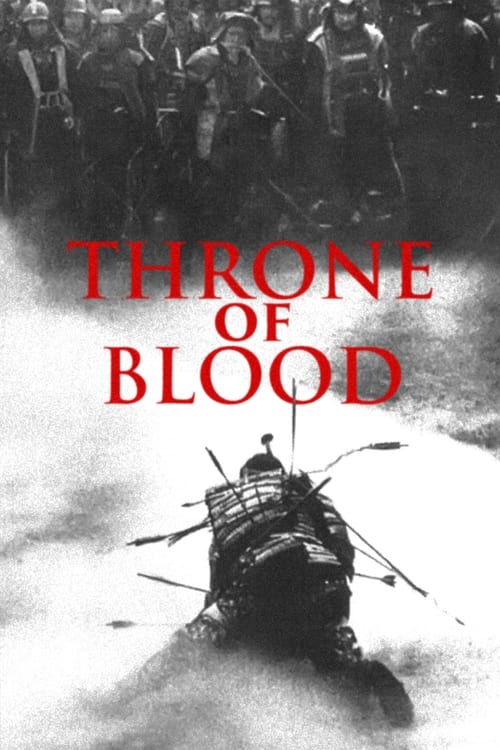
1957
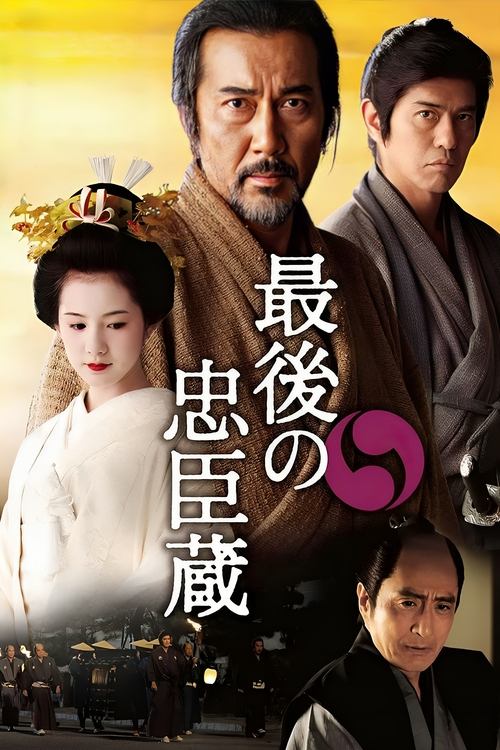
2010
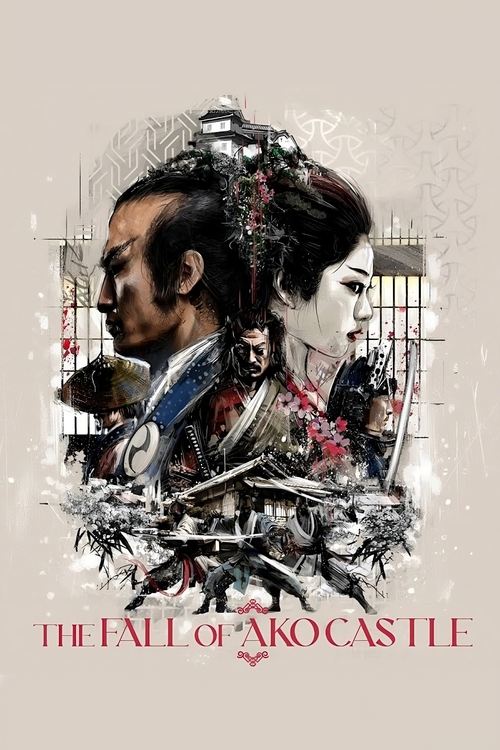
1978

1955
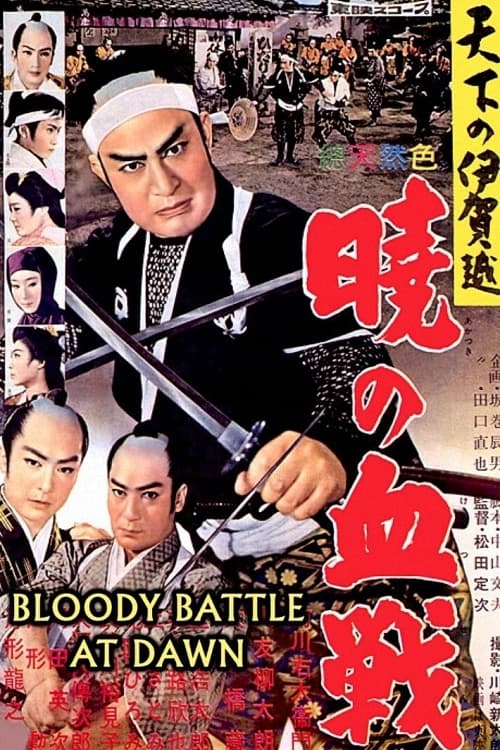
1959
No reviews yet. Be the first to share your thoughts on this movie!
Use the rating form above to leave a star rating and optional review.