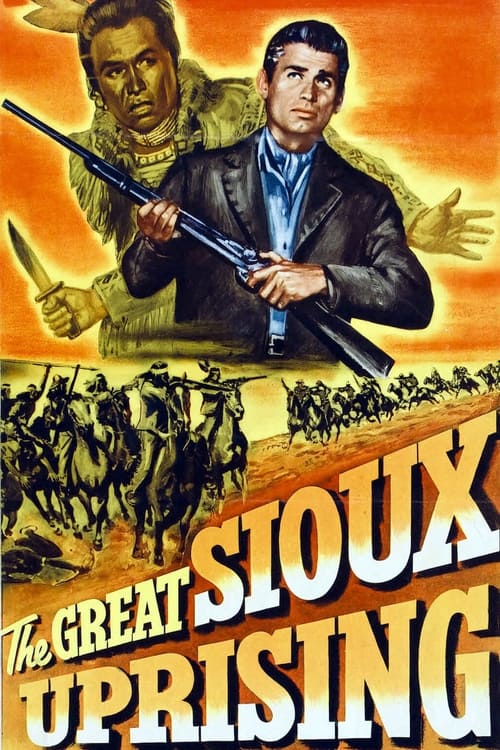
The Great Sioux Uprising
1953
No user ratings available yet
Representation score: 1.5 out of 10
Representation Score
Minimal
1951
NRDirector
George Sherman
Runtime
82 minutes
Average Rating
No ratings yetNew Showbiz Analysis
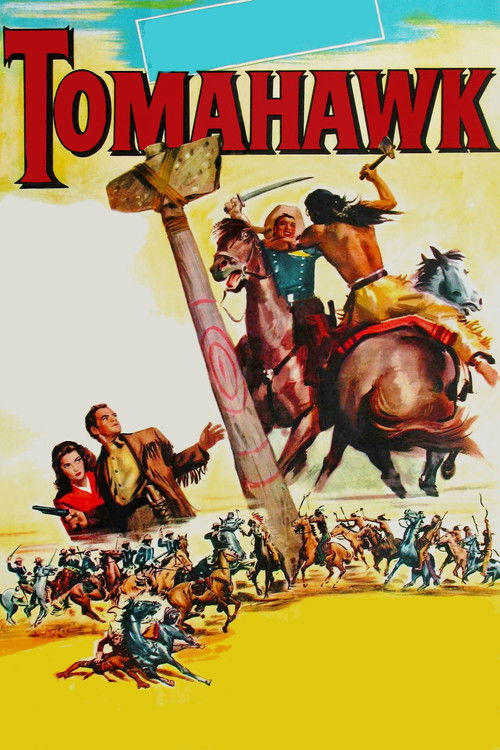
Tomahawk is a classic mid-century Western that upholds traditional social and institutional hierarchies. While it introduces a slightly nuanced cross-cultural perspective through Jim Bridger's marriage to a Cheyenne woman, it remains rooted in the era's socio-political norms. The film's strength lies in its minor disruption of the typical frontier cliché through Bridger's cross-cultural marriage. However, it fails to engage with meaningful diversity regarding gender, disability, or LGBTQ+ identities. It primarily validates the expansionist objectives and authority of the period.
Category Breakdown
The film does not include any representation of LGBTQ+ identities or non-straight relationships.
Male characters dominate the film, holding most of the leadership roles and physical ability to act. Female characters are mostly confined to supportive or domestic roles, reinforcing traditional gender hierarchies.
The story focuses on the U.S. Army's expansion efforts. However, Jim Bridger's relationship with his Cheyenne wife adds a layer of cross-cultural perspective that recognizes Indigenous viewpoints.
The film highlights military discipline and the defense of settler interests. It upholds the concept of manifest destiny without critically examining the broader social systems driving the conflict.
The film does not address visible or invisible disabilities. Characters are defined by their physical abilities needed for frontier survival and military service.
Present on Screen
Limited or Absent
Official Synopsis
In 1866, a new gold discovery and an inconclusive conference force the U.S. Army to build a road and fort in territory ceded by previous treaty to the Sioux...to the disgust of frontier scout Jim Bridger, whose Cheyenne wife led him to see the conflict from both sides. The powder-keg situation needs only a spark to bring war, and violent bigots like Lieut. Rob Dancy are all too likely to provide this. Meanwhile, Bridger's chance of preventing catastrophe is dimmed by equally wrenching personal conflicts. Unusually accurate historically.
1953
1963
1956

1950

1956
1966
1955
2007
No reviews yet. Be the first to share your thoughts on this movie!
Use the rating form above to leave a star rating and optional review.