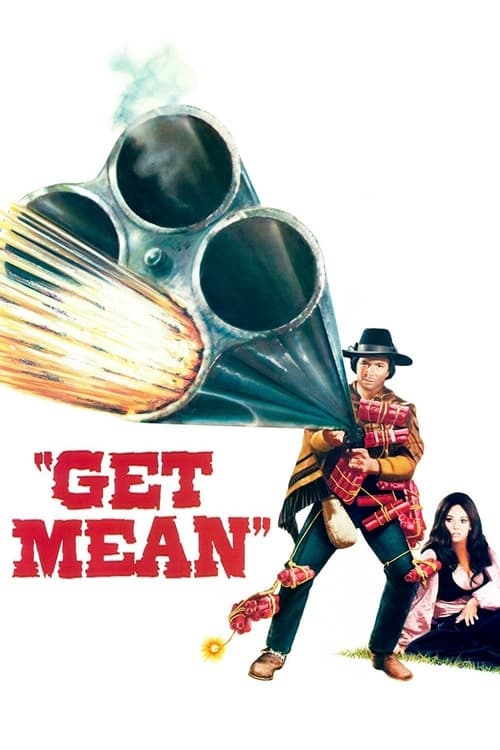
Get Mean
1975
No user ratings available yet
Diversity score: 2.9 out of 10
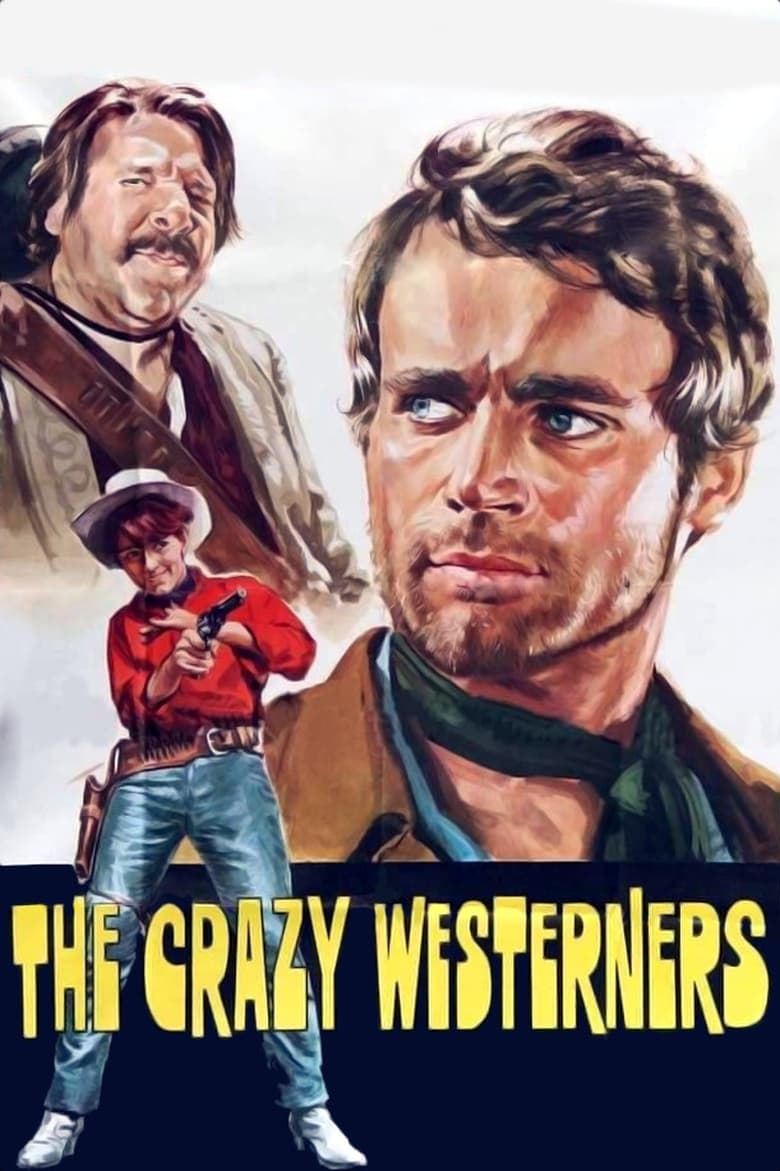
1967
Director
Ferdinando Baldi
Runtime
97 minutes
Average Rating
No ratings yetSynopsis
Little Rita has a dream: she dreams of a better world and she believes that all the evil in the world originates from gold. So she has decided to blow up all the gold she can put her hands on. In her mission she is assisted by the Indian Chief Bisonte Seduto and by her friend Francis. Little Rita kills Ringo and Django, but she is taken prisoner by the Mexican bandit Sancho who wants to steal her gold. Black Star rescues her and seems determined to help her, but does he?
Overall Score
Fair
Category Breakdown
LGBTQ+ Representation
The film lacks any visible depictions of non-cisnormative identities or same-sex intimacy. It adheres to the traditional romantic and companionate structures common in 1960s cinema.
Gender Representation
Little Rita subverts Western tropes by serving as the primary driver of the plot. She demonstrates high agency by defeating archetypes like Ringo and Django to pursue her ideological mission.
Racial & Ethnic Diversity
The inclusion of Indian Chief Bisonte Seduto provides ethnic breadth to the cast. However, these characters often function within the established cinematic tropes of the era.
Religious & Cultural Diversity
The narrative critiques traditional capitalist values by framing gold as a source of global evil. This ideological stance offers a skeptical departure from standard heroic Western morality.
Disability Representation
There are no visible or invisible disabilities portrayed in the film. No representation is present in this category.
Strengths
Areas for Improvement
AI Analysis
The film stands out by centering a female protagonist with a radical agenda, disrupting the male-dominated hierarchy typical of the Spaghetti Western genre. Little Rita's mission to destroy gold provides a cynical, non-traditional moral framework. However, the film remains largely bound by the social and stylistic constraints of 1967. While it introduces ethnic diversity through characters like Bisonte Seduto, it does not move significantly beyond the era's established tropes. Ultimately, the work offers a unique ideological perspective on wealth and gender agency, even if it lacks intersectional depth or queer representation.
1975
1971
1962
1975
1946
1971
1969
1973

1967
1967
1966
1969
No reviews yet. Be the first to share your thoughts on this movie!
Use the rating form above to leave a star rating and optional review.