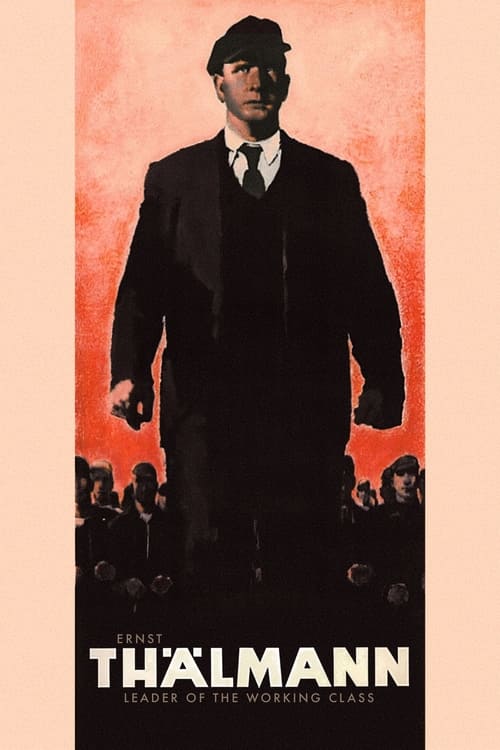
Ernst Thälmann – Leader of the Working Class
1955
No user ratings available yet
Representation score: 1.8 out of 10
Representation Score
Fair
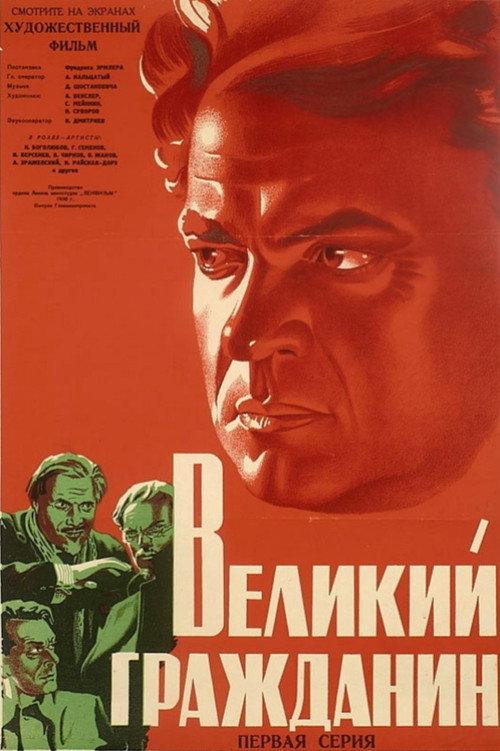
1938
Director
Fridrikh Ermler
Runtime
252 minutes
Average Rating
No ratings yetNew Showbiz Analysis
Great Citizen functions as an ideological instrument of Socialist Realism rather than a diverse character study. It prioritizes a collective, state-driven identity that dismantles traditional religious and capitalist structures, resulting in a strong score for cultural deconstruction. However, this ideological focus comes at the expense of individual demographic breadth. The film lacks any LGBTQ+ visibility and offers a homogeneous, predominantly Slavic cast that ignores multi-layered racial dynamics. Women are integrated into the revolutionary struggle but lack true ability to act compared to male political figures.
Category Breakdown
The film does not depict any non-straight relationships or queer subtext. The social framework emphasizes labor and reproductive roles required by the revolutionary state.
Women are shown contributing to the collective labor force rather than having individual autonomy. While avoiding domestic submissiveness, the narrative remains tied to a patriarchal political structure.
The cast is predominantly Slavic and homogeneous, reflecting the geopolitical focus of the 1938 Soviet Union. It focuses on internal class distinctions rather than the multi-layered dynamics of race.
The film aggressively deconstructs religious institutions, portraying the church as a systemic obstacle to progress. It celebrates the dismantling of traditional hierarchies in favor of a secular, state-centric morality.
There is no meaningful depiction of neurodivergence or physical disability. Characters function as archetypes of the ideal worker or the class enemy, leaving no room for nuanced identity.
Present on Screen
Limited or Absent
Official Synopsis
A biography drama about Sergey Kirov, a prominent early Bolshevik leader in the Soviet Union.
1955

1937
1957

2020
1954
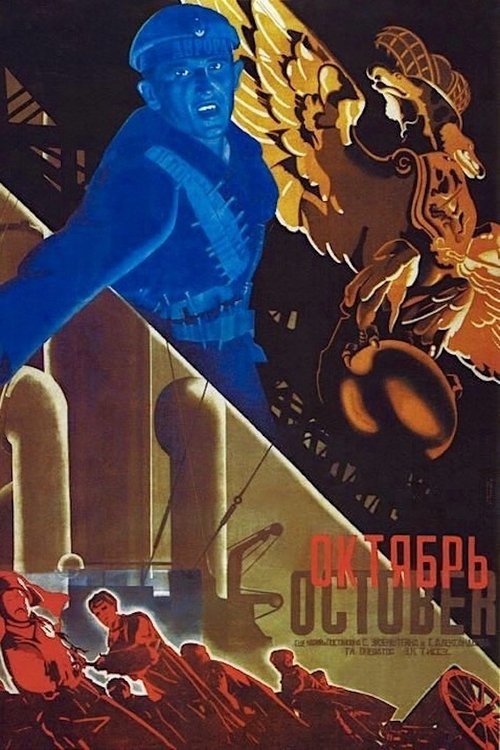
1928
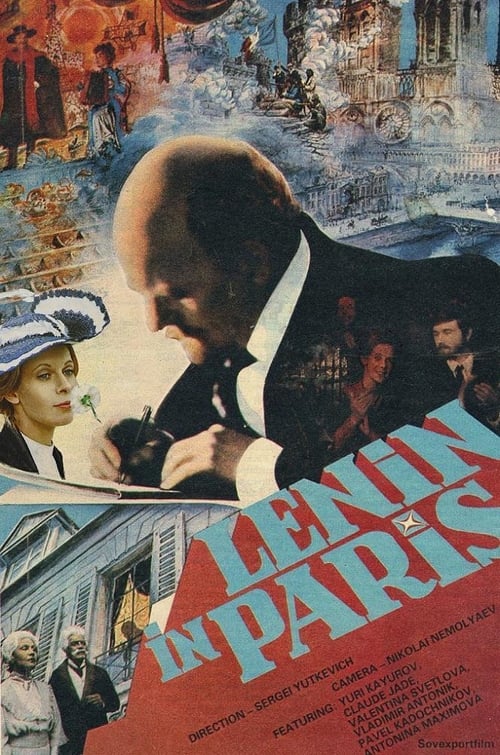
1981

2017
No reviews yet. Be the first to share your thoughts on this movie!
Use the rating form above to leave a star rating and optional review.