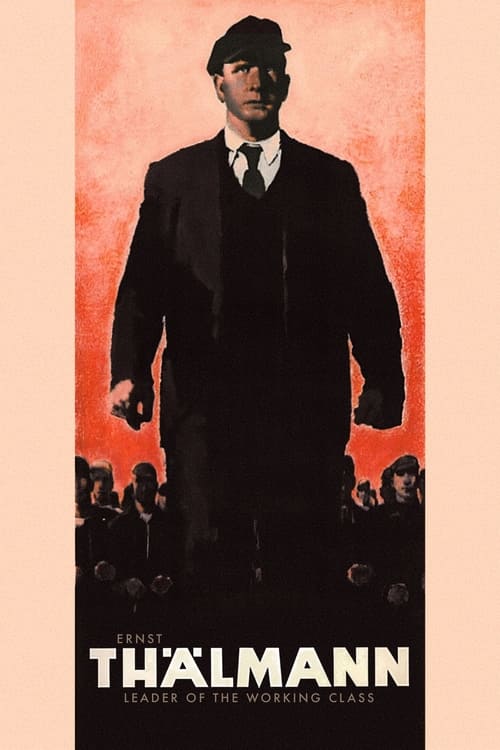
Ernst Thälmann – Leader of the Working Class
1955
No user ratings available yet
Representation score: 1.8 out of 10
Representation Score
Limited
1954
Director
Kurt Maetzig
Runtime
124 minutes
Average Rating
No ratings yetNew Showbiz Analysis
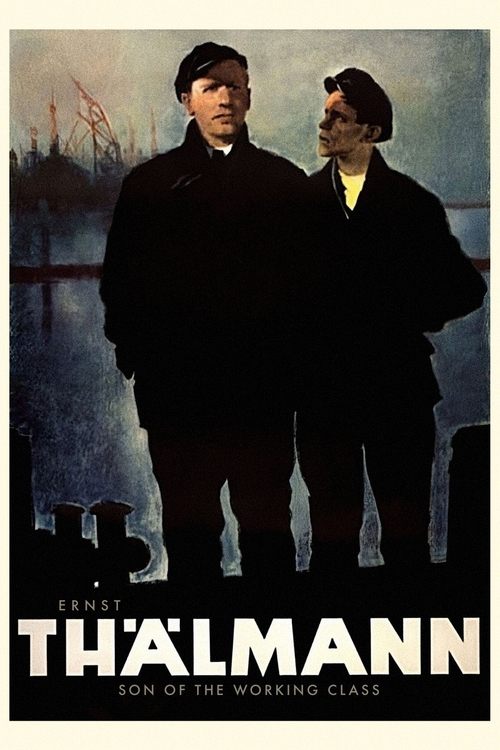
Ernst Thälmann – Son of the Working Class is a biographical film that focuses on a political critique of capitalism and state authority. While it offers a radical perspective on the materialist struggle of the proletariat, the narrative remains narrow in its demographic scope. The film excels at portraying anti-establishment themes but relies on a homogeneous depiction of the German working class and traditional gender hierarchies. Ultimately, it favors idealized archetypes of strength and collective identity over a diverse cast of characters.
Category Breakdown
The film does not include any LGBTQ+ characters or explore non-assuming gender matches what was assigned at birth identities. It focuses on a traditional collective working-class identity.
Women are shown within the revolutionary movement but mostly in supportive or domestic roles. Political leadership and control are primarily held by male figures.
The narrative depicts a homogeneous white German working class. This reflects the historical context of the 1920s German class struggle.
The film provides a strong critique of capitalist and Western institutions. It emphasizes a secular, materialist view of history over religious morality.
The film does not address disability or neurodivergence. Characters are portrayed as idealized archetypes of physical strength and revolutionary vigor.
Present on Screen
Limited or Absent
Official Synopsis
This film is the first of a two-part historical and biographical portrait of the communist politician and anti-fascist Ernst Thälmann. In early November 1918, Ernst Thälmann is an unwilling soldier serving on the western front. As the revolutionary movement at home is threatened by the betrayal of the Social Democrats and fissures in the working class, Thälmann calls on his fellow soldiers to put down their weapons and unite with the workers in the communist struggle at home. Thälmann’s qualms about which side he is fighting on continue, but when the local police attempt to prevent a shipment of provisions and supplies from reaching the people in Petrograd, he intervenes and the ship is unloaded. With this moment of clarity, Thälmann continues to follow his political convictions and joins the workers at the Hamburg uprising in October 1923.
1955
2017
1958
2020
1938
1995
1905
1981
No reviews yet. Be the first to share your thoughts on this movie!
Use the rating form above to leave a star rating and optional review.