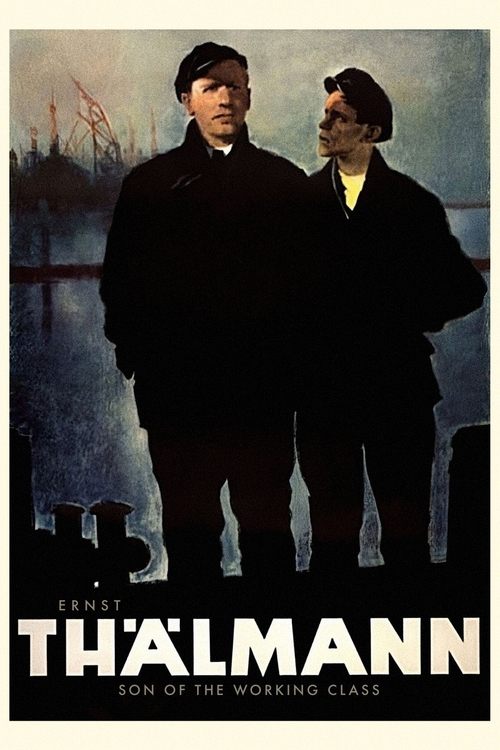
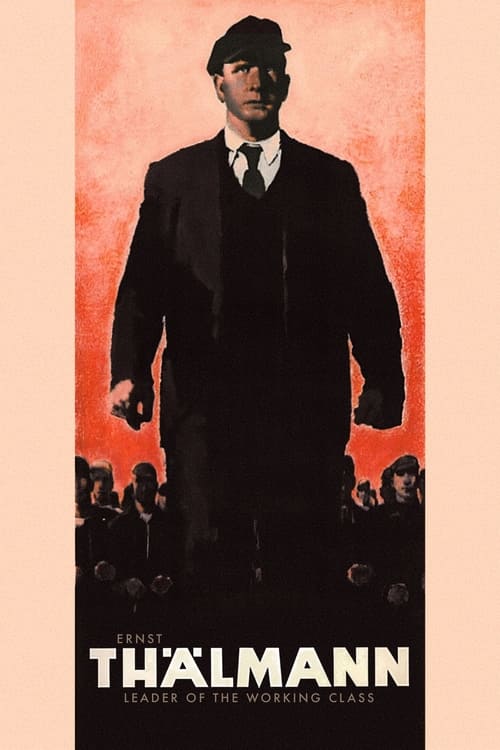
Ernst Thälmann – Son of the Working Class
1954
No user ratings available yet
Representation score: 3.5 out of 10
Representation Score
Fair
1958
Director
Kurt Maetzig, Günter Reisch
Runtime
125 minutes
Average Rating
No ratings yetNew Showbiz Analysis
The film stands out as a powerful socio-political critique, using the 1917 Kiel uprising to challenge imperialist hierarchies and promote internationalist values. Its strength lies in its focus on class solidarity rather than nationalism. However, the film is constrained by the historical and cinematic conventions of its time. It lacks representation of LGBTQ+ identities and provides minimal visibility for female characters. Ultimately, while the film is culturally progressive in its anti-establishment stance, it remains narrow in its portrayal of individual identity and gender roles.
Category Breakdown
The film does not include any characters with non-conforming gender identities or same-sex relationships. The story focuses on working-class unity, which aligns with traditional gender roles.
The main roles are played by male characters Henne Lonke and Jens Kasten. While the film challenges military structures, female characters have limited influence in the story.
The story emphasizes solidarity between German and Russian soldiers. This international cooperation highlights the shared struggle of different ethnic groups against a common enemy.
The film strongly criticizes Western military and state institutions. It frames the uprising as a necessary response to systemic corruption, emphasizing anti-imperialist sentiments.
There are no characters with visible or invisible disabilities mentioned in the provided narrative overview.
Present on Screen
Limited or Absent
Official Synopsis
A film about the historical uprising of the seamen in Kiel: During the Russian October Revolution of 1917, German and Russian soldiers start to solidarize with each other. By disarming the officers, machinist Henne Lonke and stoker Jens Kasten prevent the attack on a Russian freighter. When German admiralty gives out orders for operation "Nibelungen", which would lead the German fleet into a suicidal attack against England and quell the revolutionary spirit, seamen and soldiers from different political backgrounds unite in protest.
1954
2020
1972
1928
1905
1995
1939
1955
No reviews yet. Be the first to share your thoughts on this movie!
Use the rating form above to leave a star rating and optional review.