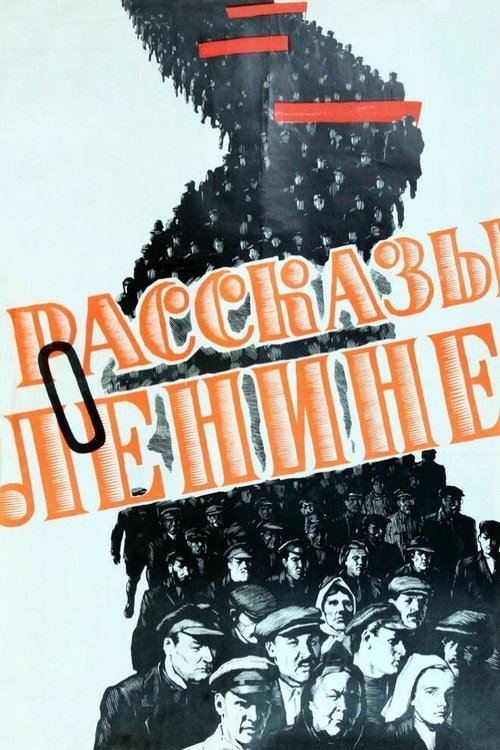
Stories About Lenin
1957
No user ratings available yet
Representation score: 2.6 out of 10
Representation Score
Limited
1981
Director
Sergei Yutkevich
Runtime
106 minutes
Average Rating
No ratings yetNew Showbiz Analysis
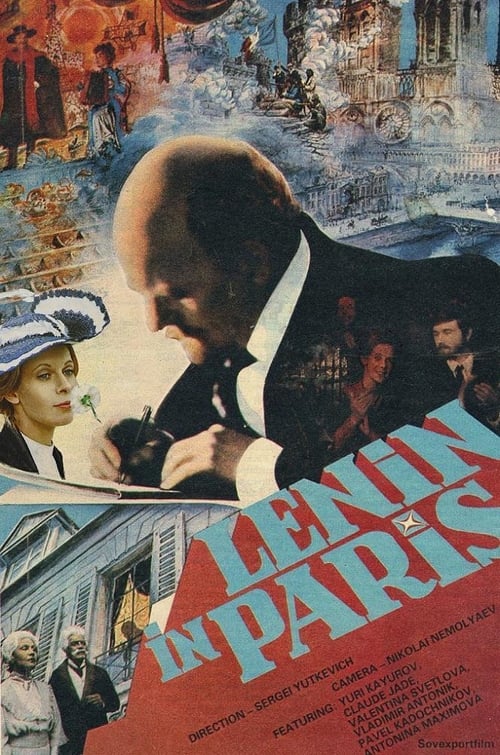
Lenin in Paris is a historical reconstruction grounded in the principles of Socialist Realism. It prioritizes the dismantling of class hierarchies and the progression of the working class over individual identity politics. The film excels in critiquing Western capitalist and religious institutions, framing them as oppressive forces. However, this thematic depth comes at the expense of demographic diversity, as the narrative remains strictly Eurocentric and male-dominated. Ultimately, the work serves as a political tool rather than a diverse character study. It prioritizes a singular exploration of class-based historical evolution over personal identity representation.
Category Breakdown
The film follows the strict guidelines of Soviet Socialist Realism and does not include any non-binary gender identities or same-sex relationships. It focuses solely on the revolutionary cause.
The story centers around male political leaders and the role of Vladimir Lenin. Women are present but mainly serve in supportive or secondary roles within the movement.
The film is set in Europe and focuses on socialist factions, resulting in a predominantly white cast. The narrative emphasizes socioeconomic class distinctions over racial or ethnic diversity.
The film critically examines Western capitalist and bourgeois structures, presenting religious and state institutions as oppressive forces that must be challenged by Marxist-Leninist ideology.
The film does not significantly address neurodivergence or physical disabilities. Characters are defined by their political roles and class status rather than any personal physical or cognitive challenges.
Present on Screen
Limited or Absent
Official Synopsis
1911. Lenin organizes the first Bolshevik party school near Paris, in the small town of Longjumeau. Through a chain of historical parallels and associations, this time is intertwined with the events of the Paris Commune, the October Revolution and the political struggles of the post-revolutionary years.
1957
2020
1989
2015
1980
1981
1972
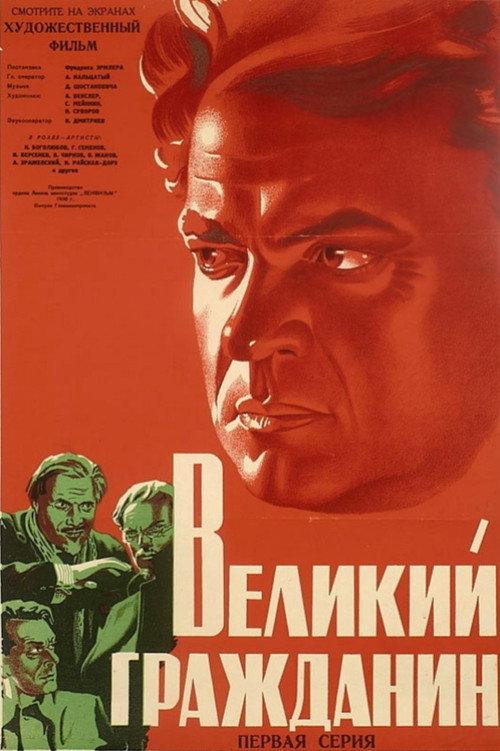
1938
No reviews yet. Be the first to share your thoughts on this movie!
Use the rating form above to leave a star rating and optional review.